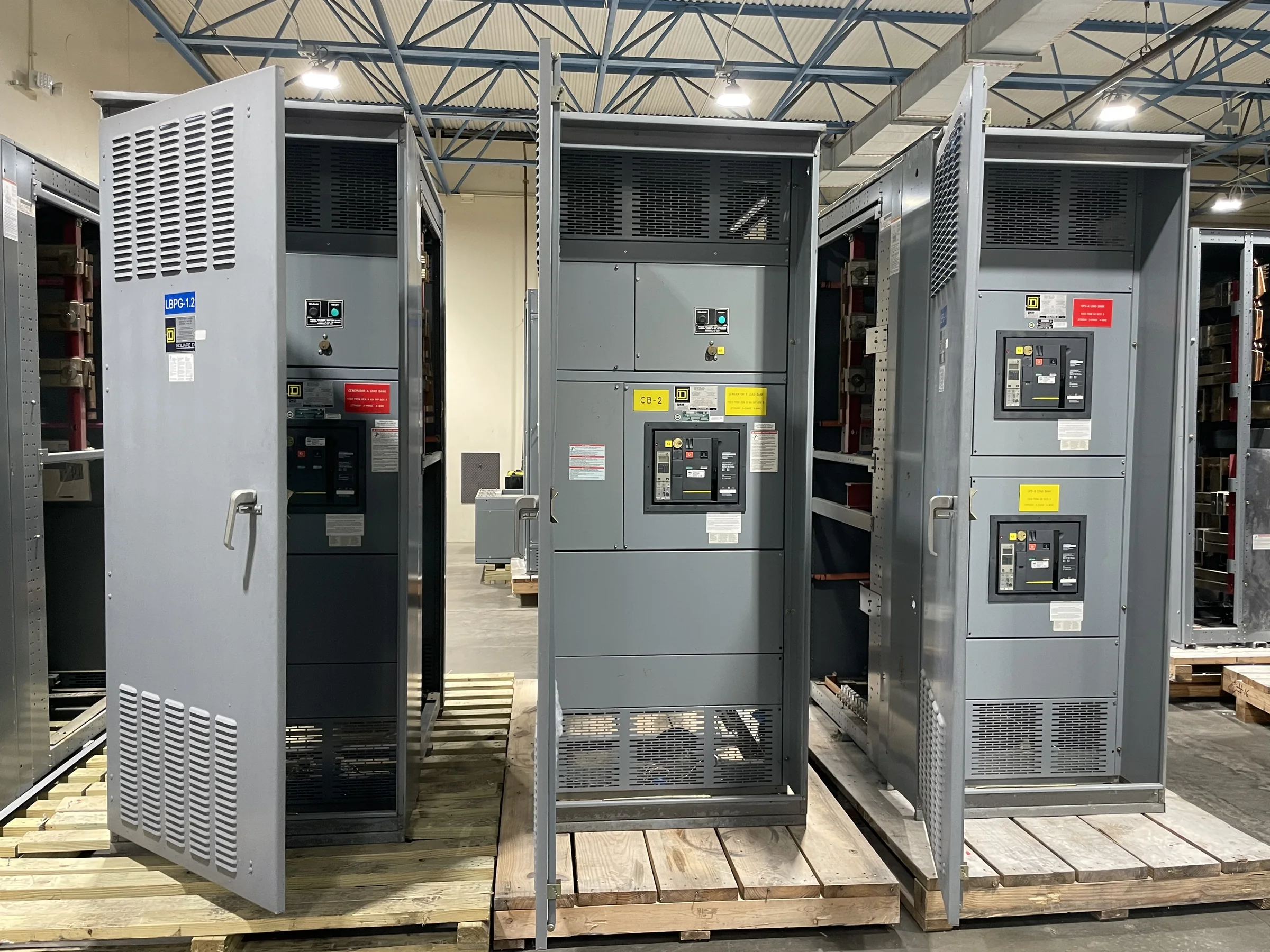
Match the Transfer Scheme to the Data Center’s Resilience Plan
An automatic transfer switch supports continuity only when its source arrangement matches the facility’s operating strategy. Start by identifying which loads need alternate power, whether the normal and emergency sources are independent, and how generators, UPS systems, and downstream distribution interact. The transfer method—such as open transition or a permitted closed-transition arrangement—affects interruption, source paralleling, protection, and operating procedures. Do not assume every critical load should transfer in the same way: UPS-backed IT equipment, cooling, fire protection, and building services can have different requirements. Document the intended sequence, transfer and retransfer conditions, and any load-shedding priorities before requesting a build. Those decisions give the manufacturer a usable basis for reviewing the application and identifying project-specific questions.
Coordinate Switch Ratings With Available Fault Current
A transfer switch must be selected for the electrical conditions at its installation point, not simply for the nameplate load. The design team should provide system voltage, phase, frequency, continuous current, source configuration, and the available short-circuit current at the proposed location. Confirm how upstream overcurrent devices, grounding, neutral switching, and equipment withstand ratings apply to the complete arrangement. Generator contribution and utility conditions may differ, so assumptions used for preliminary sizing should be checked against current coordination and fault-current studies. A mismatch can affect protection, equipment suitability, and review approval. Ask for the required documentation and evaluation basis for the proposed assembly; UL 891 applies to appropriately evaluated low-voltage switchboard assemblies and does not automatically certify every transfer switch or medium-voltage product.


Plan for UPS, Generator, and Cooling-System Behavior
The transfer sequence can influence whether the data center rides through a source change as intended. UPS autonomy, bypass arrangements, generator starting and stabilization, cooling restart behavior, and non-IT loads all affect the timing and order of operations. Identify which loads tolerate a brief interruption, which rely on UPS support, and whether staged restoration or load shedding is required to avoid overloading a generator. Confirm the control interfaces and signals needed between the switch, generator controls, and facility monitoring system; do not assume communications protocols or points are included without verification. A written sequence of operation helps engineers, operators, and the equipment supplier resolve conflicts before submittal approval. Validate final timing and compatibility against the actual equipment and project design.
Resolve Installation Constraints Before Releasing the Order
Data centers often have limited electrical-room space and tightly controlled pathways, making physical fit as important as electrical selection. Provide room plans, equipment elevations, access routes, door dimensions, ceiling height, conduit entry locations, and clearances needed for installation and maintenance. Confirm whether the switch is free-standing or integrated into a lineup, and coordinate cable termination space with conductor size, bend radius, and field routing. Seismic, environmental, and enclosure requirements should be stated when applicable rather than inferred from the facility type. Early review can expose conflicts with existing gear, structural supports, raised floors, or planned expansion bays while changes are still manageable. For replacement work, document existing interfaces and outage limits; dimensions and connections must be verified for the specific site.
Build a Submittal Package That Supports Review and Testing
Procurement and engineering teams can reduce late changes by defining the required deliverables with the request for quote. Depending on project scope, the review package may need drawings, nameplate and component data, control schematics, terminal plans, recommended spare parts, and installation or operating documentation. State applicable project standards, approved manufacturers or components, inspection expectations, and any required witness or acceptance testing, while leaving final applicability to project review. For integrated systems, identify who supplies generator controls, communications, protective devices, and field wiring so responsibilities do not fall between contracts. A clear approval workflow also matters: identify reviewers, submittal deadlines, and the information needed to release fabrication. Confirm proposed features and evaluation status in writing; never treat a general product description as proof of project compliance.
Align Quotation, Production, and Delivery With Site Access
Discuss schedule early because a data-center equipment delivery must fit both the project sequence and the site’s receiving plan. Share the requested need date, approval milestones, required configuration, shipping destination, unloading limits, receiving hours, and whether delivery must be coordinated with a construction manager or secure facility contact. A U.S. manufacturer can discuss custom-build options, American components, short lead times, and nationwide shipping, but actual availability, production timing, and transit depend on the approved scope and current project conditions. Do not release an order on an assumed delivery window; request a project-specific schedule and clarify what events affect it. Before shipment, coordinate packaging, handling provisions, staging location, and inspection responsibilities. That planning helps prevent equipment from arriving before the room is ready or access is available.