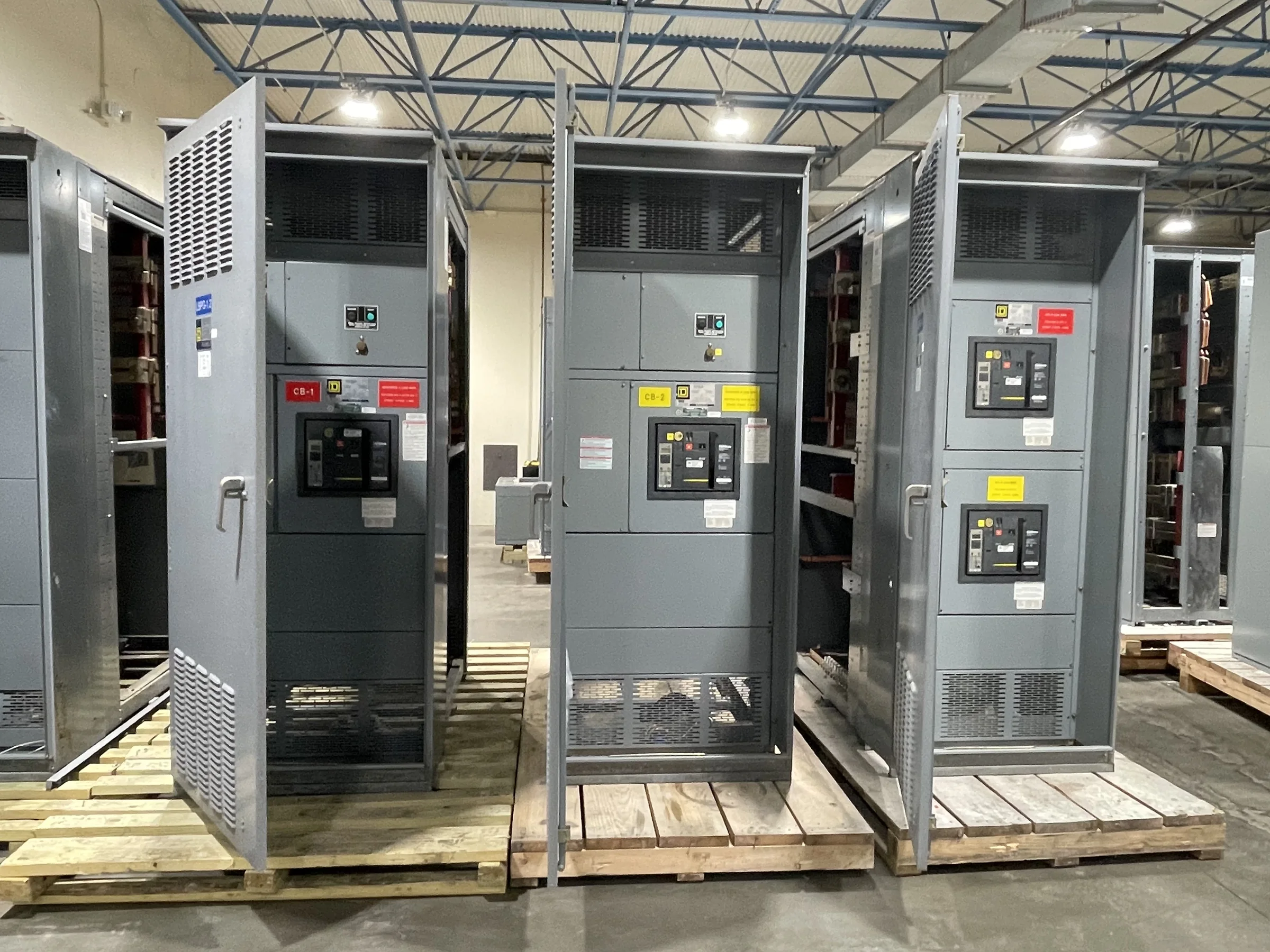
Switchgear for Houston’s Industrial and Commercial Loads
Houston-area projects can place very different demands on a distribution lineup: a process facility may need to support large motors and continuous operations, while a commercial building may prioritize dependable service to lighting, HVAC, and tenant loads. Start with a load study and one-line diagram that identify system voltage, available fault current, feeder quantities, motor starting needs, and planned expansion. These inputs shape the equipment configuration and help prevent costly changes after procurement. Gulf Coast heat and humidity also make enclosure location, ventilation, corrosion exposure, and maintenance access important design considerations. Share the intended indoor or outdoor setting and environmental conditions during specification. Final ratings, construction, and applicable standards must be confirmed for the particular project and installation.
Define the Equipment Scope Before Requesting a Quote
A useful quote request gives the manufacturer enough information to distinguish required features from preferences. Include the one-line diagram, equipment schedule, available utility data, protection philosophy, incoming and outgoing cable requirements, and any specified control or metering functions. Identify whether the project calls for a new switchboard, replacement lineup, or equipment coordinated with existing gear; these are not interchangeable scopes. For low-voltage switchboard assemblies, UL 891 may be relevant when the assembly is appropriately evaluated, but that standard is not a blanket certification for medium- or high-voltage equipment. List the governing project specifications and requested documentation, then ask the manufacturer to identify assumptions, exceptions, and open technical questions. Resolving these early makes bid comparisons more meaningful.


Custom Engineering and Component Selection
Custom construction can help align a lineup with the available room, electrical scheme, and operating priorities, but customization depends on accurate interface information. Provide bus and feeder requirements, lineup dimensions or room plans, cable entry direction, equipment clearances, and connection details for transformers or downstream distribution. Confirm the required component makes or approved alternatives, protective-device functions, metering, and control interfaces in the project documents rather than assuming a standard arrangement. American components may be specified as part of the offering; confirm the required component details and acceptance criteria for the particular order. Changes to a breaker, bus arrangement, or compartment can affect coordination, space, and documentation, so request review of the final submittals before release to production.
Replacement and Retrofit Planning Around Existing Gear
Replacing existing equipment is often constrained by what is already installed, not just by the desired electrical rating. Before selecting a replacement, document the nameplate information, dimensions, bus connections, conductor approach, grounding arrangement, and available working space. Record the existing one-line and protection settings when available, and have qualified personnel verify field conditions. A new lineup may not be a direct fit merely because its nominal voltage and current ratings match; fault-duty requirements, interface geometry, and upstream and downstream coordination also matter. For retrofit work, define which existing components remain and who is responsible for field verification, connection design, removal, installation, and commissioning. Clear scope boundaries help teams plan outages, avoid assumptions about compatibility, and identify issues before delivery.
Plan Houston-Area Delivery and Site Readiness
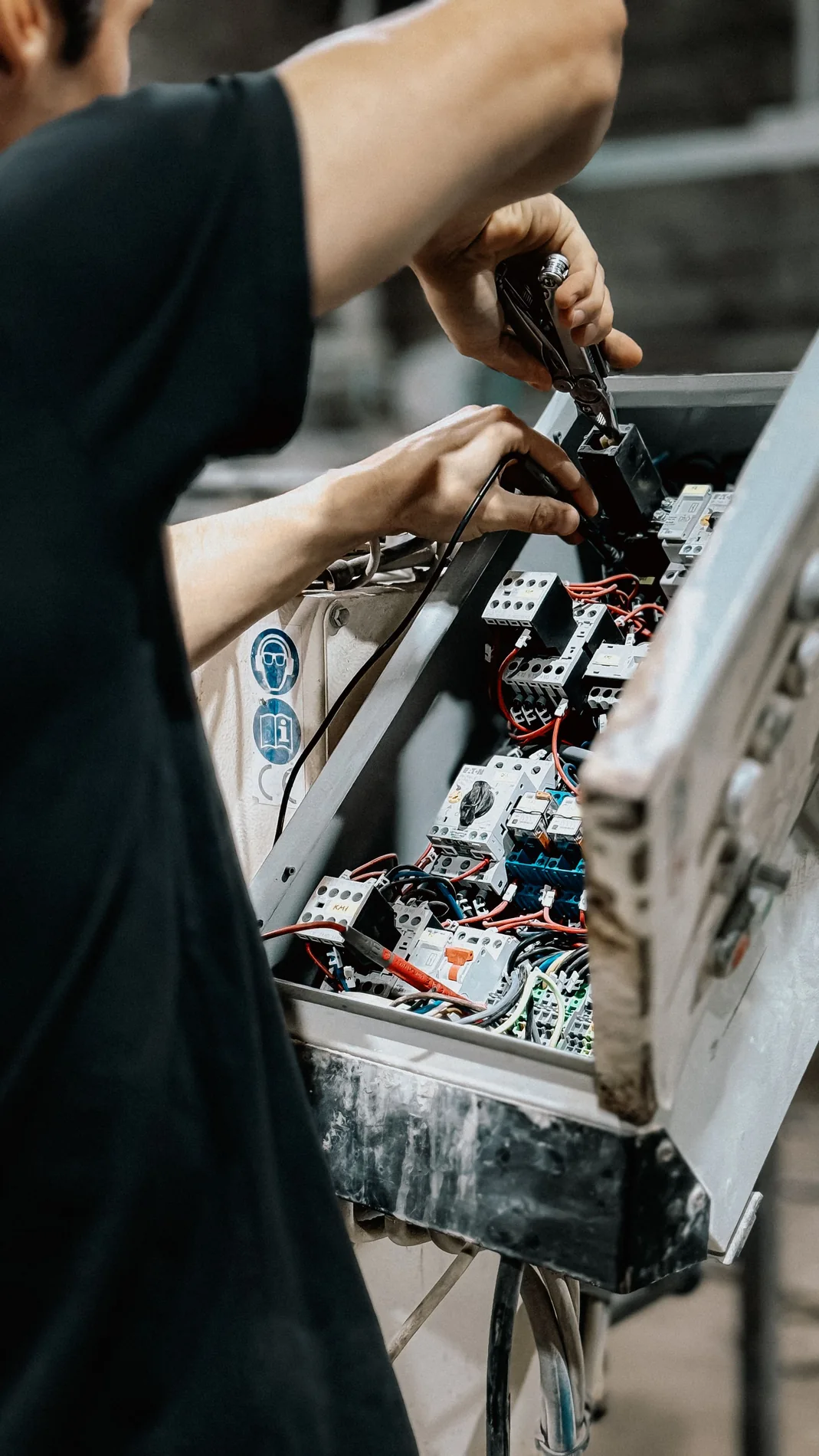
Coordinating delivery across Houston and the Gulf Coast means accounting for the actual destination and the route from receiving point to equipment room. Confirm the ship-to location, unloading method, access restrictions, dock or crane availability, doorway and corridor dimensions, and the planned path to the final setting. Large assemblies may need a delivery sequence that matches site access and installation staging; verify shipping configuration and handling requirements with the manufacturer before the site schedule is fixed. Gulf Coast weather can complicate outdoor staging, so identify protected storage and communicate any restrictions on when equipment can be received. Nationwide shipping is available, while freight arrangements, delivery timing, and site-specific handling remain project-dependent. Assign responsibility for receiving inspection and promptly document any visible shipping damage.
Review Submittals, Schedule, and Turnover Requirements
A short lead time is valuable only when the engineering and procurement sequence supports it. Establish the required approval dates, release-to-build milestone, requested ship window, and dependencies such as utility fault-current data or approved protective devices. Review drawings for dimensions, ratings, feeder arrangement, cable space, controls, metering, and connection points, then return consolidated comments through the designated project contact. Ask which production and shipping dates can be confirmed for the specific scope rather than treating an early estimate as a guarantee. Before turnover, define the required closeout package, which may include final drawings, device information, and operation or maintenance materials as applicable to the order. Confirm commissioning and acceptance responsibilities with the project team; installation, inspection, and energized operation require qualified personnel and applicable procedures.