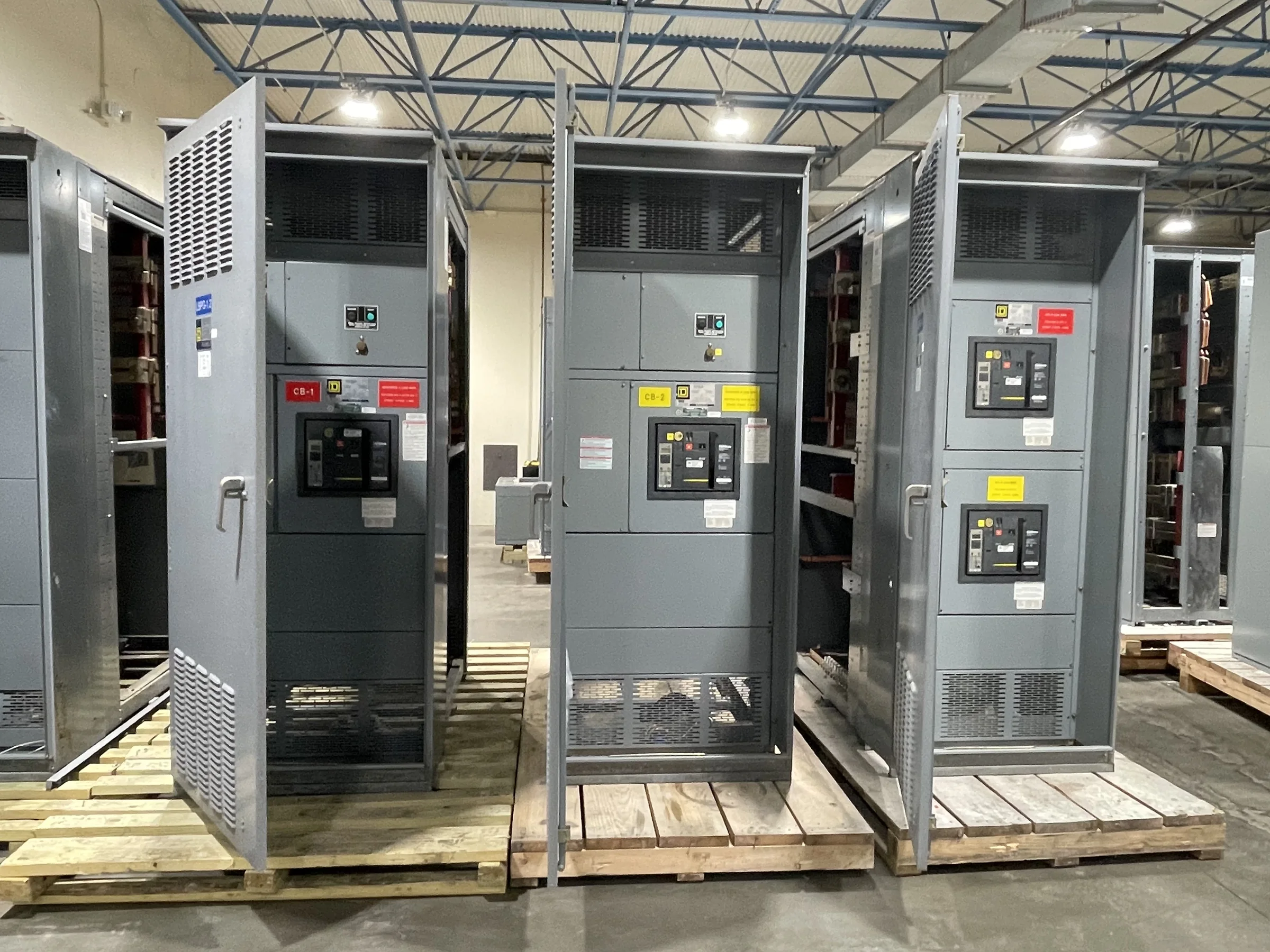
Define Which Loads Need Transfer
In a manufacturing plant, an automatic transfer switch should be selected around the loads that must remain available—not simply the facility’s total connected load. A process line may depend on controls, lubrication pumps, ventilation, cooling, or material-handling equipment as well as its main production machinery. Identify which loads are essential, which can tolerate an interruption, and which must restart in a controlled sequence. This distinction affects switch rating, source capacity, and the plant’s recovery plan. Motor starting and other transient demands also need review against the alternate source; a generator that can carry steady load may respond differently to a large starting event. Share load studies, equipment schedules, and operating priorities early so the proposed assembly can be evaluated against the actual application.
Coordinate the Switch With the Alternate Source
The transfer switch is one part of a source-to-load system, so its operating sequence must suit both the normal supply and the alternate source. Confirm the available voltage, phase, frequency, grounding arrangement, source protection, and generator or other backup-system controls before finalizing the specification. Decide whether the plant needs open-transition operation, in which the load is disconnected from one source before connection to the other, or whether another transition method is appropriate and feasible for the system. The choice can affect sensitive processes, protective coordination, and utility or equipment requirements. Document how the switch should respond to source failure and restoration, including any permitted delays or staged load pickup. Compatibility and applicable standards must be confirmed for the specific project, not assumed from a product category.
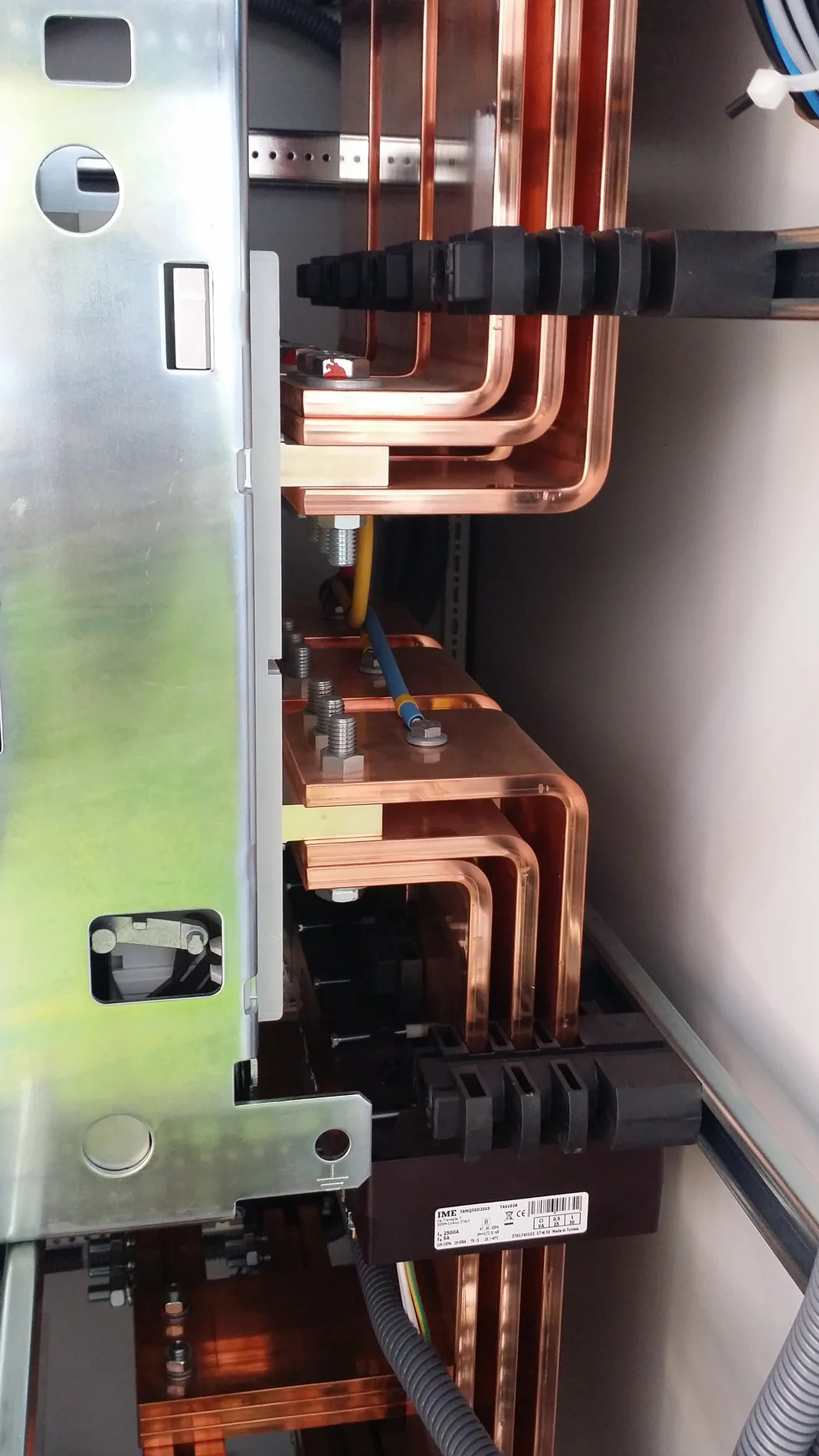

Plan Around Plant Conditions and Access
Manufacturing environments can complicate equipment placement even when the electrical one-line is settled. Dust, heat, moisture, vibration, corrosive exposure, washdown, and restricted ventilation may influence enclosure selection and installation location. Nearby furnaces, process exhaust, or high-traffic areas can introduce conditions that are easy to miss in a drawing review. Measure the route from receiving area to electrical room, including door openings, corridor turns, floor limits, overhead obstructions, and the space needed to position and service the assembly. Confirm working clearances and access against applicable requirements and the site’s safety plan. These checks matter because an assembly that fits the room on paper may be difficult to deliver, install, inspect, or maintain. Provide site photographs, room plans, and environmental notes when requesting a project review.
Specify Controls for Production Recovery
A successful transfer is not always the same as a successful production restart. Some processes can resume automatically; others require operator confirmation, permissives, or a defined sequence to prevent equipment from restarting against a stalled conveyor, closed valve, or unavailable process utility. During specification, identify which loads should transfer together, which should be delayed, and which must remain shed if alternate-source capacity is limited. Explain how the switch’s control scheme should interact with generator controls, plant monitoring, alarms, and any supervisory system. Clarify who owns each interface and what signals or communication points are expected. This information helps engineering teams assess control compatibility and reduces commissioning surprises. Final logic, interlocks, and operating procedures should be reviewed with the responsible electrical and controls professionals before equipment is placed in service.
Prepare Submittals and Purchasing Information
A complete request for quotation helps the manufacturer evaluate a transfer-switch assembly without filling gaps by assumption. Include the one-line diagram, load and source information, enclosure location, required transition approach, control preferences, available fault-current information, and any specified project standards. Add the plant’s preferred connection arrangement, cable-entry direction, monitoring needs, and relevant generator documentation where available. Procurement teams should also identify approval milestones, required submittal formats, inspection or witness expectations, and the date equipment is needed at the site. These details influence design review, component selection, and delivery coordination; they do not establish a guaranteed rating, listing, or schedule. For low-voltage switchboard applications, UL 891 evaluation may be relevant to the assembly, but applicability and labeling must be confirmed for the specific design.
Coordinate Build Timing and Delivery
Factory timing and shipment planning should be discussed while the specification is still being developed, especially when a plant outage or line shutdown sets the installation window. Custom configurations, drawing approvals, component availability, and changes after approval can affect the project schedule, so request a project-specific schedule rather than relying on a general lead-time assumption. Confirm who will approve drawings, how quickly comments are expected, and whether the site can receive equipment during the planned delivery period. Nationwide shipping can support projects across the United States, but the plant still needs a practical receiving plan: unloading capability, indoor storage, lift access, packaging protection, and coordination with the electrical contractor. Align shipment, outage, installation, and inspection milestones with the people responsible for operations and site safety before committing to a cutover date.