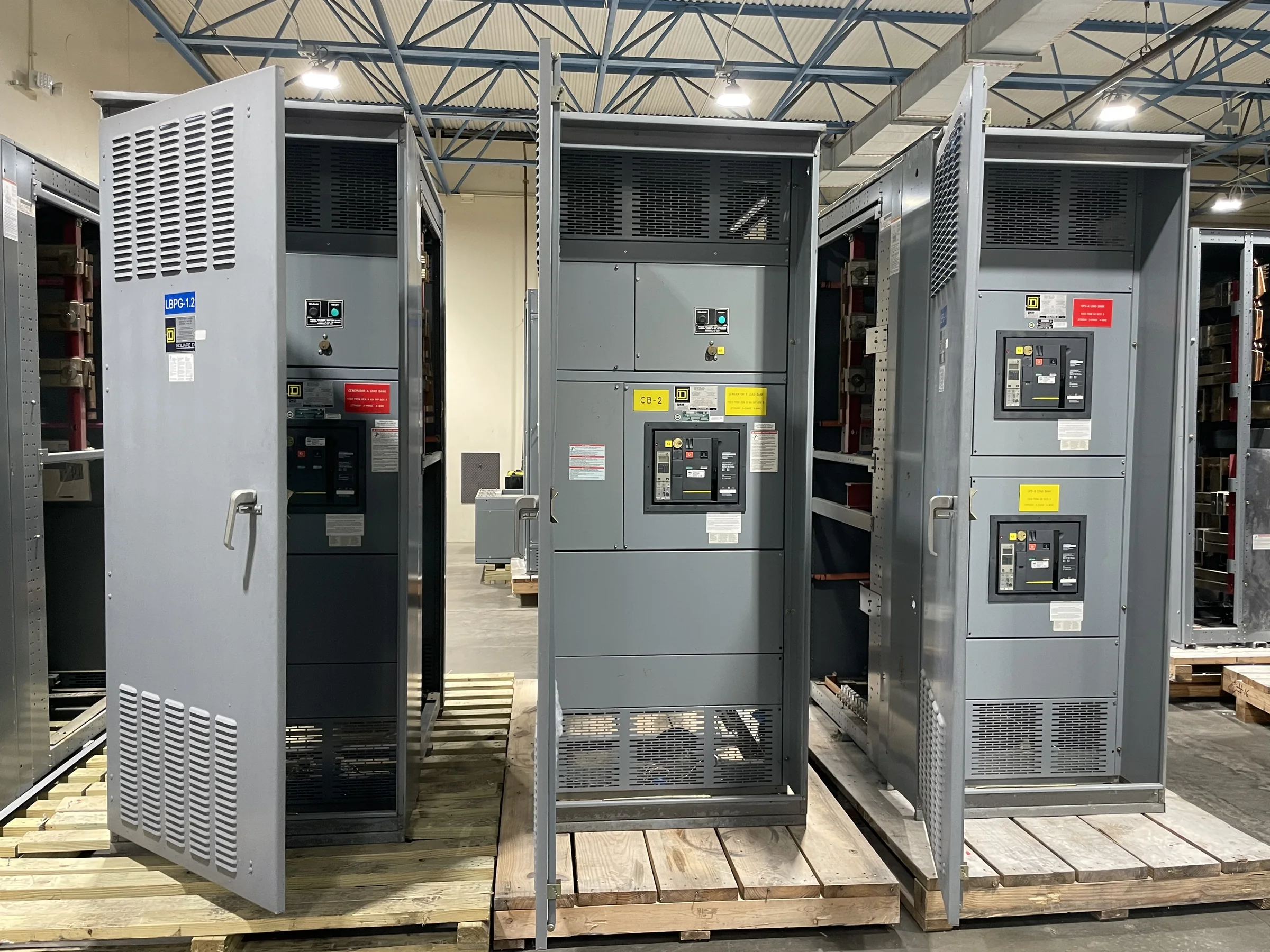
Keep Essential Port Loads Supplied During Source Changes
At a marine terminal, a transfer switch may serve shore-side loads that cannot simply stop when a normal source becomes unavailable. Depending on the facility, these can include control systems, communications, security equipment, selected lighting, or other designated loads. The design team should identify what must remain energized, what can tolerate an interruption, and what should be shed or restarted in sequence. That distinction affects switch operation, control logic, and coordination with generators or other alternate sources. Do not assume that a transfer switch provides uninterrupted power: transfer behavior depends on the selected equipment, source conditions, and system design. Establish acceptable interruption and restoration behavior with the electrical engineer and equipment suppliers before requesting a quotation.
Match the Switch to the Electrical System and Operating Sequence
An automatic transfer switch must be selected for the actual distribution arrangement, not just a load estimate. Procurement documents should identify system voltage, phase, frequency, available fault current, service and load characteristics, source configuration, and the intended transfer method where known. The engineer should also state whether the design requires open-transition operation or another approach, and describe how the switch should respond when a source returns or becomes unstable. Generator start, warm-up, retransfer, cooldown, alarms, and any load-shedding sequence need to be reviewed as one operating scheme. These details matter because a control sequence that conflicts with generator capabilities or upstream protection can disrupt terminal operations. Final ratings, compatibility, and applicable standards must be confirmed for the project.


Plan for Salt Air, Moisture, Vibration, and Enclosure Location
Ports and marine terminals expose electrical equipment to conditions that can be harsher than a typical indoor electrical room. Salt-laden air, wind-driven moisture, condensation, washdown, dust, and vibration may affect enclosure selection, materials, installation details, and maintenance planning. The application team should document whether the switch will be indoors, in a conditioned room, or outdoors, and note nearby marine exposure, ventilation, temperature range, and potential water entry. These conditions influence the appropriate enclosure and corrosion-protection approach, but no single construction should be assumed suitable for every terminal. Confirm site requirements with the engineer and manufacturer before release. A poor location or incomplete environmental specification can shorten service life, complicate inspection, or force costly changes after equipment arrives.
Coordinate Utility, Generator, and Terminal Control Interfaces
A port’s electrical system may connect utility service, standby generation, berth or building distribution, and facility monitoring systems. The transfer switch is only one part of that arrangement, so interface responsibilities should be explicit. Provide available one-line diagrams and identify source breakers, generator controls, remote annunciation, communications requirements, and any interlocks or permissives that affect transfer. If a terminal uses central control or supervisory systems, define which status points and alarms are needed and who supplies the wiring and programming. This coordination matters because mismatched control signals or unclear boundaries can delay commissioning and leave operators without useful indications. Review the sequence of operation with the engineer, generator supplier, switchgear manufacturer, and controls contractor before drawings are approved.
Prepare Submittals Around Access, Connections, and Maintenance
A complete equipment request should include the latest one-line diagram, load information, source details, control narrative, environmental conditions, and project specifications. Also provide available room plans, conduit or cable entry preferences, connection requirements, and restrictions on door swing or working space. Marine-terminal electrical rooms can be crowded by existing distribution equipment, structural elements, piping, and operational systems; confirming dimensions and access early helps avoid a switch that cannot be installed or serviced as planned. Identify required submittal content, review milestones, witness or inspection expectations, and any project-specific documentation. The manufacturer can then assess a new build against the stated application and flag open questions for engineering review. Dimensions, configuration, standards, and availability remain subject to project-specific confirmation.
Discuss Build Timing and Delivery Before Scheduling the Cutover
A port cutover can depend on berth schedules, vessel activity, utility coordination, generator availability, and limited windows for taking equipment out of service. Discuss the target installation date, drawing-review cycle, approval authority, shipping destination, receiving hours, and site unloading arrangements when requesting a quotation. A U.S. manufacturer can build to project requirements, offer American components, and coordinate nationwide shipping; actual configuration, component availability, and delivery timing must be confirmed for the order. Do not schedule de-energized installation or commissioning around an assumed lead time. Align the equipment schedule with the contractor and facility operator, and make a contingency plan for review changes or freight constraints. Confirm the final shipping dimensions, handling needs, and delivery date before dispatch so the terminal can receive the equipment safely.