Define Which Refinery Loads Need Transfer
A refinery transfer scheme should begin with a load list, not a switch rating. Identify the systems that must remain available during loss of a normal source, such as selected control, instrumentation, fire protection, or process-support loads, and distinguish them from loads that may be shed or restarted later. The difference affects transfer capacity, sequencing, and the consequences of an unsuccessful transfer. Document each load’s operating state, starting characteristics, allowable interruption, and whether it can tolerate a momentary break in supply. Coordinate this information with the electrical one-line diagram and the facility’s process and safety teams. Those records help the manufacturer evaluate the intended application and flag assumptions before equipment is specified or ordered.
Match the Transfer Scheme to Both Sources
Refinery sources may differ in voltage, grounding, available fault current, or operating behavior, so source compatibility must be established before selecting an automatic transfer switch. Provide the normal and alternate source details, including nominal voltage and frequency, phase, system grounding, and available protective-device information where known. Explain whether the alternate source is a utility service, generator, or another supply, and how it is started and stabilized. The transfer logic must respond appropriately to source failure and restoration without creating an unacceptable interruption or unintended paralleling. Do not assume that a standard configuration suits every arrangement; switching method, neutral treatment, and control settings depend on the system design and applicable requirements. Resolve these points with the engineer of record.


Account for Process Continuity and Restart Behavior
A transfer can restore voltage while leaving a process in an unsafe or unstable operating condition. Review which loads can restart together, which require a deliberate sequence, and whether motors, variable-frequency drives, control power supplies, or sensitive instrumentation need special consideration. Inrush and restart demand can affect the alternate source and may cause another voltage dip if too many loads return at once. Coordinate transfer timing and any load-shedding or retransfer expectations with process controls and generator controls rather than treating the switch as an isolated device. Include the facility’s operating philosophy in the specification: what conditions initiate transfer, what qualifies a source as acceptable, and what should happen after normal power returns. Clear logic requirements reduce commissioning disputes and operational surprises.
Specify an Assembly That Fits the Installation
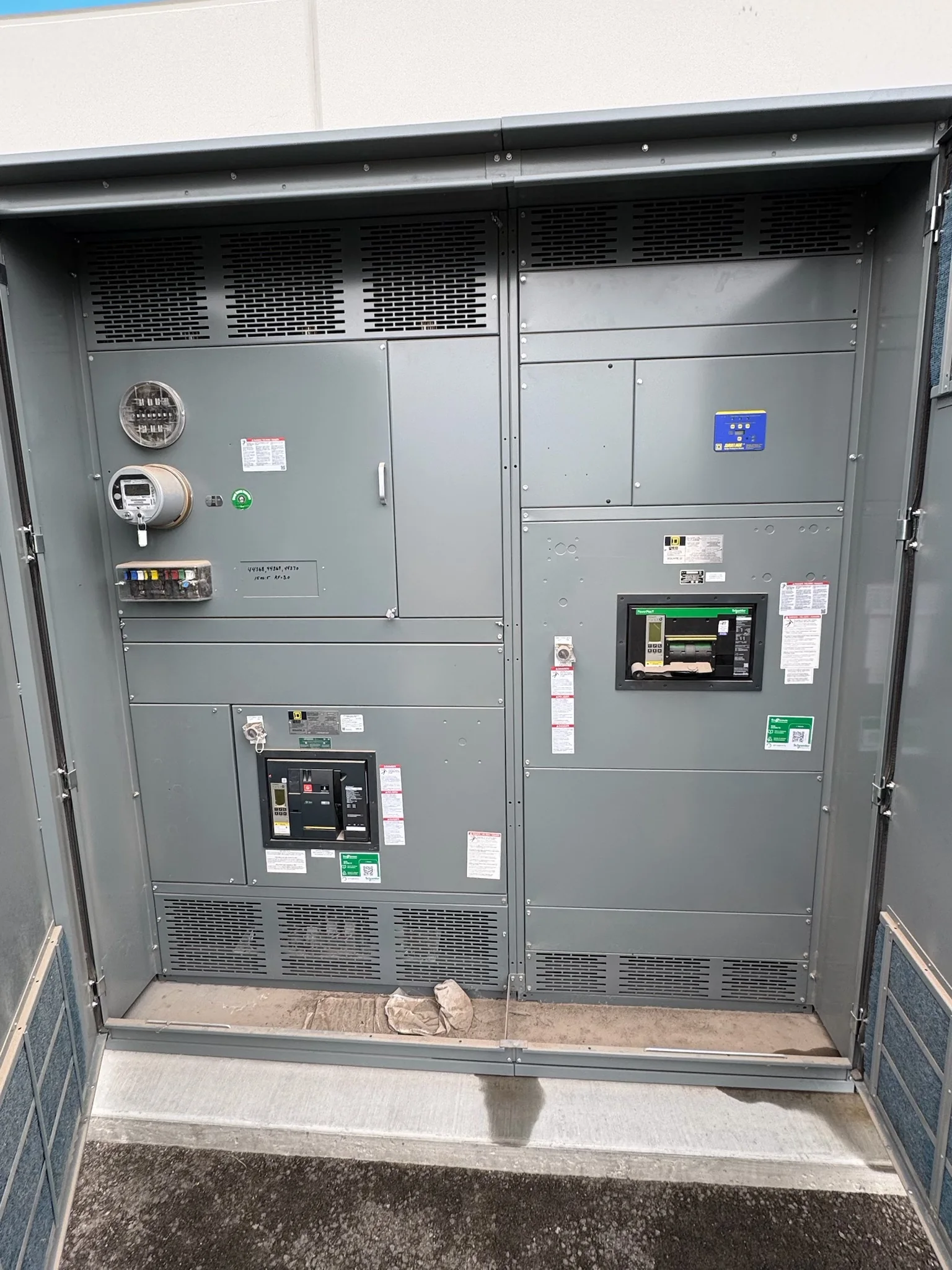
Physical and environmental conditions can narrow equipment choices as much as electrical ratings. Confirm the intended indoor or outdoor location, available floor space, access for installation and maintenance, cable entry direction, conductor bending room, and route from each source and load. Refineries may have corrosive atmospheres, heat, dust, vibration, or classified-area boundaries; identify these conditions and the actual equipment location so the design team can determine suitable construction and placement. Do not infer hazardous-location suitability from the refinery setting or from a switchboard standard. If the project includes a low-voltage switchboard assembly, UL 891 evaluation may be relevant where specified and applicable, but it is not a blanket certification for every transfer switch or medium-voltage system. Confirm ratings and evaluation scope project by project.
Build the Purchase Package Around Verifiable Requirements
A complete request for quotation lets procurement compare equipment on scope rather than assumptions. Send the one-line diagram, load schedule, source data, control narrative, applicable project specifications, installation environment, and required submittal documents. State the desired enclosure arrangement, connection details, accessories, interface points, and any owner or engineer requirements, while marking unresolved items for review instead of presenting them as settled. Ask the manufacturer to identify exceptions, assumptions, and information needed to complete the design. For a custom build, approved drawings and timely answers to technical questions are important purchasing milestones; changes after approval can affect engineering, materials, and delivery planning. Confirm exact ratings, standards, compatibility, and availability in the project quote and approved submittals before releasing equipment for manufacture.
Plan Delivery and Site Readiness Together
Refinery delivery is a site-coordination task, not simply a shipping date. Discuss the project schedule with the U.S. manufacturer early, including drawing review, release milestones, requested delivery window, and any constraints on receiving large electrical assemblies. Short lead times may be available, but timing depends on the confirmed design, components, approvals, and production schedule; obtain a project-specific commitment rather than relying on a general estimate. Nationwide shipment still requires practical planning for carrier access, unloading equipment, delivery appointments, packaging, and the route from receiving point to the electrical room. Verify door and aisle clearances, lifting provisions, storage conditions, and protection from construction dust or moisture before arrival. Equipment installation, connection, testing, and commissioning should follow approved project documents and qualified personnel’s procedures.