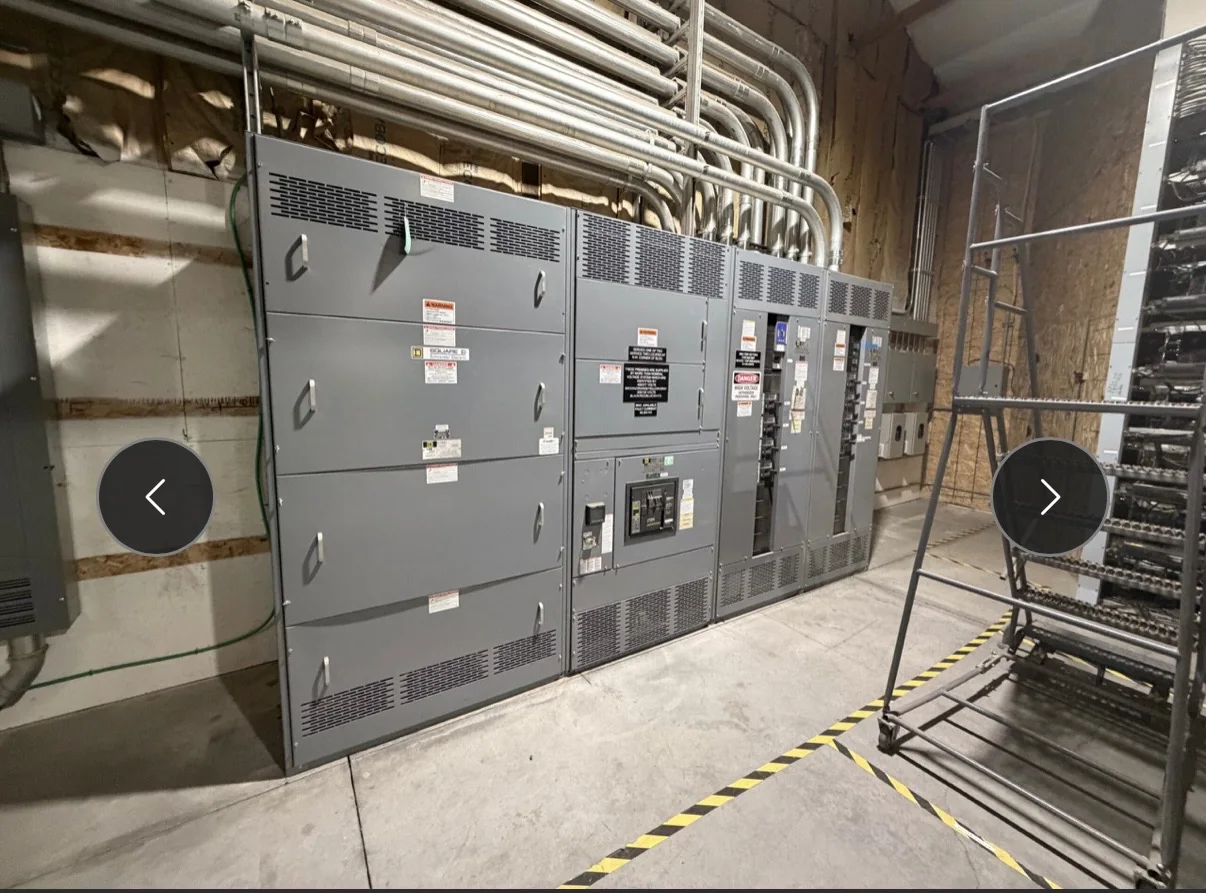
Start With the Electrical Duty, Not the Metal
Copper and aluminum busbars can both serve in low-voltage distribution equipment, but choosing between them starts with the electrical duty and assembly design. The project team should provide system voltage, available fault current, continuous load, operating conditions, and the intended equipment arrangement. These inputs affect bus dimensions, supports, clearances, temperature rise, and protective-device coordination; material alone does not establish an acceptable rating. Confirm whether the requirement is for a switchboard, switchgear, or another assembly, since terminology and applicable standards differ. A manufacturer can use the project information to evaluate a suitable configuration and identify unresolved assumptions before quotation. This matters because a material preference made without the complete duty can lead to a design that does not fit the electrical system or the installation.
Compare Conductivity With Space and Weight
Copper generally conducts electricity more effectively per unit of cross-sectional area than aluminum, while aluminum is lighter and may support a different cost or handling strategy. Those comparisons do not translate directly into a smaller copper bus or a larger aluminum bus for every project. The required current capacity depends on the full assembly, including enclosure, ventilation, joint design, temperature limits, and testing or evaluation applicable to that equipment. Ask bidders to identify the proposed material and explain how it is incorporated into the offered assembly, rather than comparing bare-metal dimensions in isolation. This distinction helps procurement teams compare like with like and prevents a weight or conductivity advantage from being mistaken for proof of equivalent performance in a specific lineup.


Treat Joints and Plating as Design Decisions
Busbar joints deserve particular attention because contact surfaces, connection hardware, preparation, and assembly practices influence electrical resistance and heating. Copper and aluminum have different surface characteristics, so a connection approach suitable for one material may not be suitable for the other. Where dissimilar metals meet, the designer and manufacturer should address the interface and specify compatible connection details; do not assume that a field-selected compound or hardware change resolves it. Request drawings or submittal information that make material transitions and connection points clear, especially at incoming terminals, splice plates, and equipment interfaces. This matters during review and installation: an overlooked joint can create uncertainty about compatibility, maintenance, and temperature performance even when the busbar material itself appears correctly specified.
Check the Installation Path and Future Work
Busbar selection also affects practical handling, access, and future modification. Consider the route from the receiving area to the electrical room, door and corridor clearances, available lifting equipment, floor loading, and the sequence for moving sections into position. Aluminum's lower weight may ease some handling constraints, but the complete assembly's dimensions and lifting points still govern the move. Inside the room, confirm working clearances, cable bend space, conduit entry locations, and access to joints or compartments that may need inspection. If the lineup must connect to existing equipment, provide verified interface dimensions and connection information early. These checks matter because a theoretically suitable material choice cannot compensate for an assembly that cannot be delivered, positioned, connected, or maintained safely.
Make the RFQ Specific Enough to Compare
A useful request for quotation states the required electrical characteristics, lineup arrangement, incoming and outgoing connections, metering or accessory requirements, and any preference for copper or aluminum bus. Include one-line diagrams, equipment schedules, site conditions, applicable project standards, and known interface drawings when available. Identify whether the bus material preference applies throughout the assembly or only to particular sections, and ask the manufacturer to state exceptions in its proposal. For low-voltage switchboards, UL 891 may be relevant to the assembly when appropriately evaluated; it should not be treated as a blanket certification for other voltage classes or as proof that every offered configuration carries a label. Clear documentation matters because it exposes scope gaps and supports a fair technical and commercial comparison.
Coordinate Build Timing, Delivery, and Acceptance
Timing depends on the approved design, component availability, review cycles, and the project's release and delivery requirements; a requested material should therefore be resolved before drawings are finalized. Ask the manufacturer to identify the assumptions behind its schedule and the information needed to keep engineering and procurement moving. For delivery planning, provide the destination, receiving hours, unloading capabilities, access restrictions, site contact, and any required shipping or documentation instructions. Confirm how the shipment will be divided and whether the planned arrival sequence matches the installation schedule. At receipt, compare nameplates, section identification, packing documentation, and approved submittals, and report discrepancies before setting equipment. These steps matter because a coordinated build and receiving plan reduces avoidable site delays without treating an estimated schedule as a guarantee.