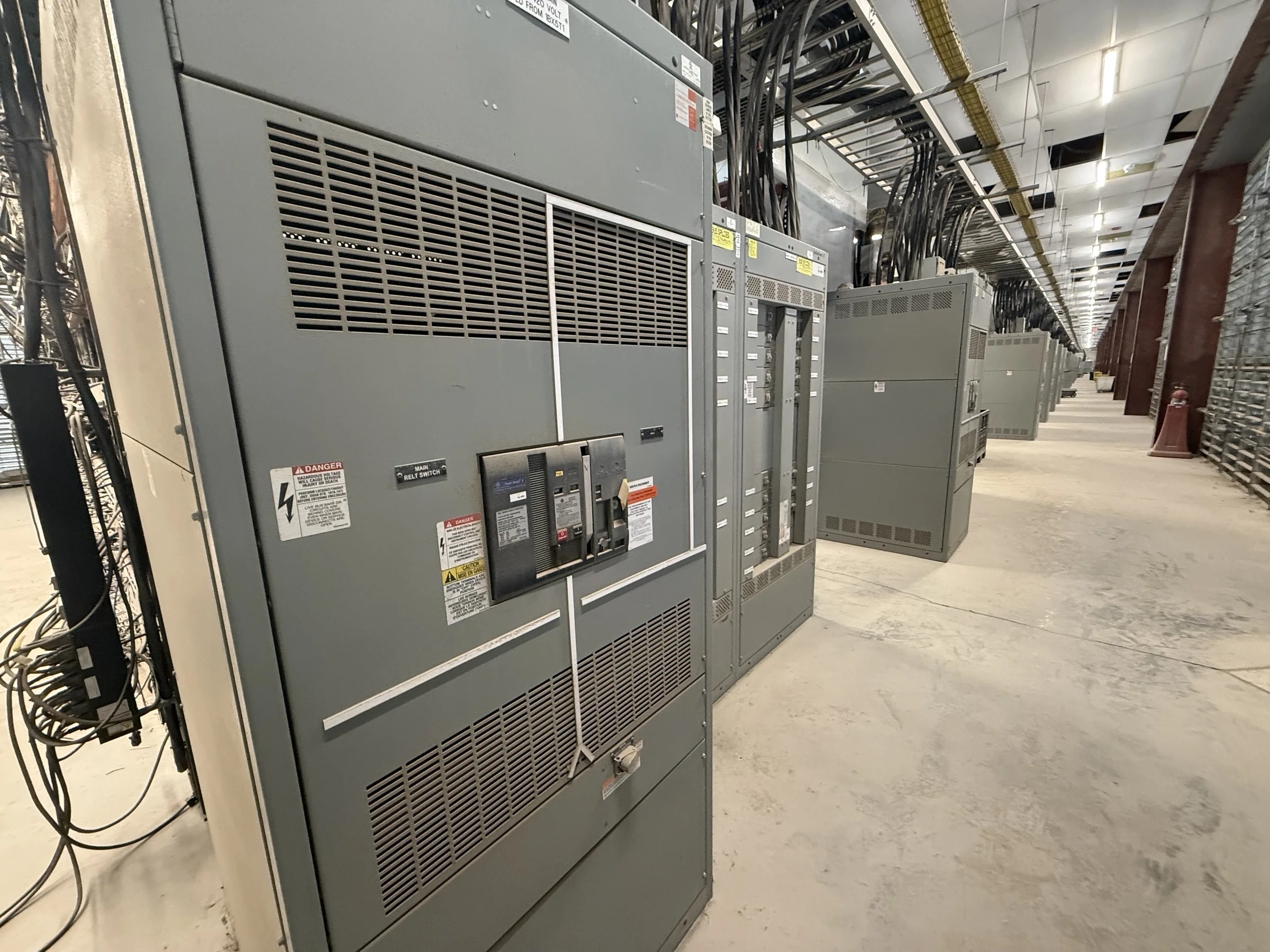
Start with the Facility’s Load Profile
A custom switchgear package should reflect how the industrial facility operates, not just its connected load. Gather one-line diagrams, equipment schedules, motor data, utility service information, and planned expansion before selecting an arrangement. Large motors, variable-frequency drives, welding loads, and process equipment can create different starting, harmonic, or load-step demands; those conditions may affect protective-device selection and coordination. Identify which processes can tolerate an interruption and which require a carefully planned transfer or shutdown. That distinction helps engineers define feeder grouping, future provisions, and maintainability priorities without assuming that every load needs the same treatment. The manufacturer and project engineer can review these inputs together, while final ratings, protection, and compatibility remain specific to the installation and its governing requirements.
Define the Electrical and Mechanical Interface
Industrial projects often combine new distribution equipment with existing transformers, generators, control systems, and cable infrastructure. Confirm voltage, phase, frequency, available fault-current information, grounding method, conductor entry direction, and upstream protective-device data before the design is released. An overlooked interface can leave insufficient termination space, incompatible connections, or a protection scheme that does not coordinate with adjacent equipment. Mechanical details matter too: document room dimensions, aisle and working-space constraints, floor openings, cable-trench locations, ambient conditions, and any exposure to dust, moisture, corrosive substances, or vibration. These conditions guide enclosure and layout discussions, but do not by themselves establish a product rating or suitability. Resolve exceptions through the responsible engineer and manufacturer before procurement so that drawings reflect the actual site.


Make Customization Serve Operations
Customization is most useful when each requested feature solves a defined operating or maintenance need. Consider whether operators need metering at the main or feeder level, remote status points, communication interfaces, selective isolation, spare feeder positions, or room for future circuits. Document preferred device types and control requirements, then verify compatibility with the intended system and project specifications rather than treating familiar component names as interchangeable. A spare space is not automatically a usable future feeder; the bus, protective-device provisions, enclosure, and thermal design must support the planned addition. Likewise, monitoring points need to align with the facility’s controls and cybersecurity practices. A clear list of required functions, optional alternates, and excluded features helps the manufacturer prepare a focused proposal and reduces late changes that can affect drawings, cost, and schedule.
Coordinate Submittals Before the Release Date
The purchase schedule depends on more than the requested ship date. Establish who will provide approved one-line diagrams, control schematics, device settings, interface data, and site dimensions, and identify the review time allowed for each submittal. Confirm when equipment must be released for manufacture and whether utility, consultant, or owner approval is required first. Changes to feeder counts, protective devices, cable entry, or control functions after approval can trigger engineering revisions and disrupt procurement. Ask the U.S. manufacturer to discuss current component availability and a project-specific schedule; short lead times may be available, but timing is not universal or guaranteed. Record assumptions, open items, and approval responsibilities in the purchase documents. That makes schedule discussions actionable and helps the team distinguish an agreed milestone from a preliminary estimate.
Plan Shipping Around the Plant and Work Window
Nationwide shipping does not remove the need to plan the final leg to an industrial site. Check truck access, gate and dock limits, unloading equipment, receiving hours, staging space, and the route from delivery point to the electrical room. Oversized or heavy assemblies may require a coordinated unloading plan and a clear path through the building; verify actual shipping dimensions and handling instructions against site conditions before dispatch. Sequence delivery with construction progress so equipment is protected from weather, dust, impact, and nearby work while avoiding prolonged storage that may conflict with manufacturer guidance. Align arrival with the installation contractor, rigging resources, and outage window, but do not treat delivery timing as an installation authorization. Confirm shipment details and responsibilities in writing as project dates become firm.
Close the Documentation and Compliance Loop
Before ordering, define the documents the facility needs for engineering review, installation, maintenance, and turnover. Depending on project scope, that may include approved layout and wiring drawings, equipment schedules, bill of materials, operation information, and applicable test or compliance documentation. Specify the governing codes, owner standards, and required evaluations in the procurement package, then confirm how each applies to the exact assembly. UL 891 applies to appropriately evaluated low-voltage switchboard assemblies; it is not a blanket certification for medium- or high-voltage equipment, and the brief alone does not establish that a particular unit carries a UL label. Keep final ratings, markings, listing status, and acceptance requirements subject to project-specific verification. Complete review of these items before release to avoid a mismatch between contractual expectations and supplied equipment.