Start With the Facility’s Electrical Basis of Design
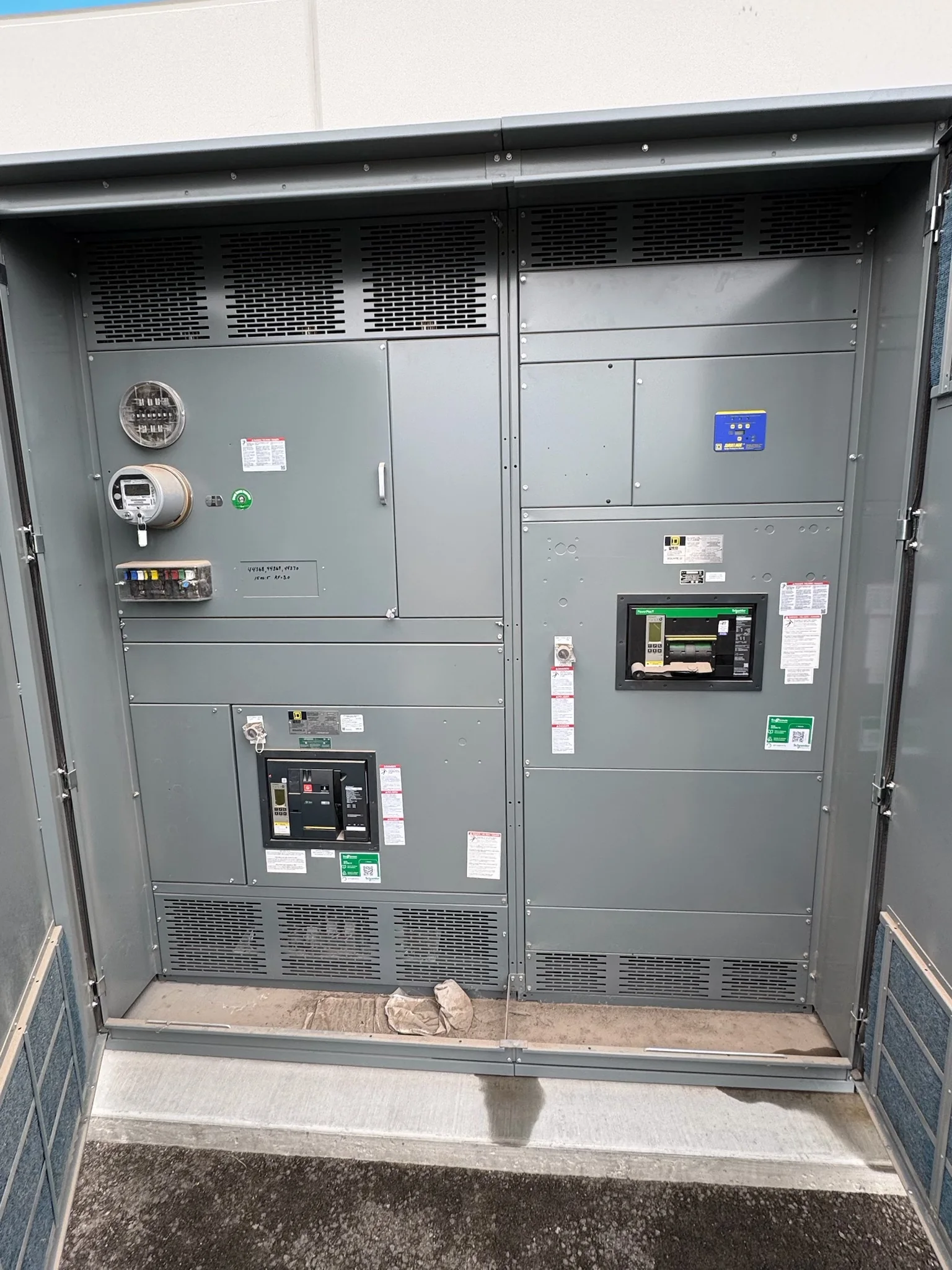
Oil and gas facilities can combine process loads, utilities, buildings and remote equipment on one distribution system, so a custom switchgear package should begin with the project’s electrical basis of design. Identify the source and voltage, available fault current, grounding method, system configuration, required continuous load and future capacity before selecting an assembly. Clarify whether the scope serves a processing plant, compressor station, terminal, refinery area or another facility type; operating conditions and load profiles differ. Protection, metering, control power and bus arrangement depend on these inputs, and assumptions left unresolved can lead to equipment that does not coordinate with upstream or downstream devices. Have the engineer of record confirm design criteria and applicable project standards. Final ratings and configuration require project-specific review.
Account for Hazardous Areas and Site Conditions
A switchgear room may sit near classified process areas, corrosive atmospheres, dust, salt exposure or substantial temperature swings. Those conditions affect where equipment can be installed and what enclosure, materials, space conditioning and maintenance access the project should provide. Confirm the area classification and boundaries with the project’s qualified electrical and process teams; do not assume that a standard indoor assembly is suitable for installation within a classified location. Review the room’s ventilation, drainage risk, elevation, seismic criteria where applicable, and exposure to vibration from nearby equipment. These details matter because environmental protection and equipment placement are not interchangeable: a suitable room can preserve access and serviceability without implying that the switchgear itself is approved for every hazardous location. Confirm requirements before release.


Define Protection, Control and Operational Needs
Operating requirements shape more than the main bus arrangement. Decide how operators will isolate sections, transfer sources, monitor loads and respond to protective-device operation, then document the intended control and interlock logic. For sites with generators, utility feeds or process-critical loads, coordination among protective devices and control schemes can affect selectivity and the consequences of an outage. Provide the available one-line diagram, device settings or coordination study inputs, control schematics, metering requirements and communication protocols when requesting a quote. Identify any required interface with plant control or supervisory systems, including who supplies and verifies each connection. These inputs help prevent gaps between switchgear and adjacent equipment. Final protection settings, interlocks and interfaces must be reviewed against the complete system and approved project documents.
Resolve Fit, Access and Installation Constraints Early
A technically suitable lineup can still create a costly site problem if it cannot pass through the building or be positioned safely. Share room dimensions, equipment access paths, door and ceiling clearances, floor loading limits, cable-entry directions and working-space requirements during specification. Confirm whether the assembly must be split into shipping sections and how those sections will be moved, joined and connected at the site. In brownfield work, existing foundations, conduits, bus connections and shutdown windows may constrain replacement choices; field-verified measurements are more reliable than assumed legacy drawings. Review heat dissipation and maintenance access alongside the layout so the installed equipment can be operated and serviced as intended. The project team should confirm installation responsibilities, rigging provisions and required outage planning before equipment release.
Build a Complete Package for Review and Procurement
A useful quote request lets engineering, procurement and the manufacturer work from the same scope. Include the one-line diagram, equipment schedule, technical specification, site conditions, required options, interface details and target dates for drawing review, release and shipment. State which items are by others, such as incoming conductors, external control wiring or installation services, instead of relying on assumptions. Ask for the proposed equipment configuration, deviations, exclusions and submittal documents to be identified clearly so the engineer of record can evaluate them. For low-voltage switchboard applications, UL 891 may be relevant to an appropriately evaluated assembly; it is not a blanket certification for medium- or high-voltage equipment. Applicable standards, evaluation, ratings and labeling depend on the specific design and project.
Coordinate Schedule and Delivery With Site Readiness
Discuss timing with the manufacturer while the design is still being developed, because drawing approvals, component selection, scope changes and customer-furnished information can all affect the production schedule. Request a project-specific schedule rather than assuming a standard lead time, and identify decision dates for approvals, options and shipping instructions. For remote oil and gas sites, delivery planning may need to account for restricted receiving hours, limited staging space, site security, weather exposure, road or weight limits and coordination with cranes or other trades. Confirm the delivery destination, unloading responsibility, packaging expectations and sequence with the site team before shipment. A U.S. manufacturer can discuss custom builds, American components and nationwide shipping, but availability, configuration and delivery timing must be confirmed for each project.