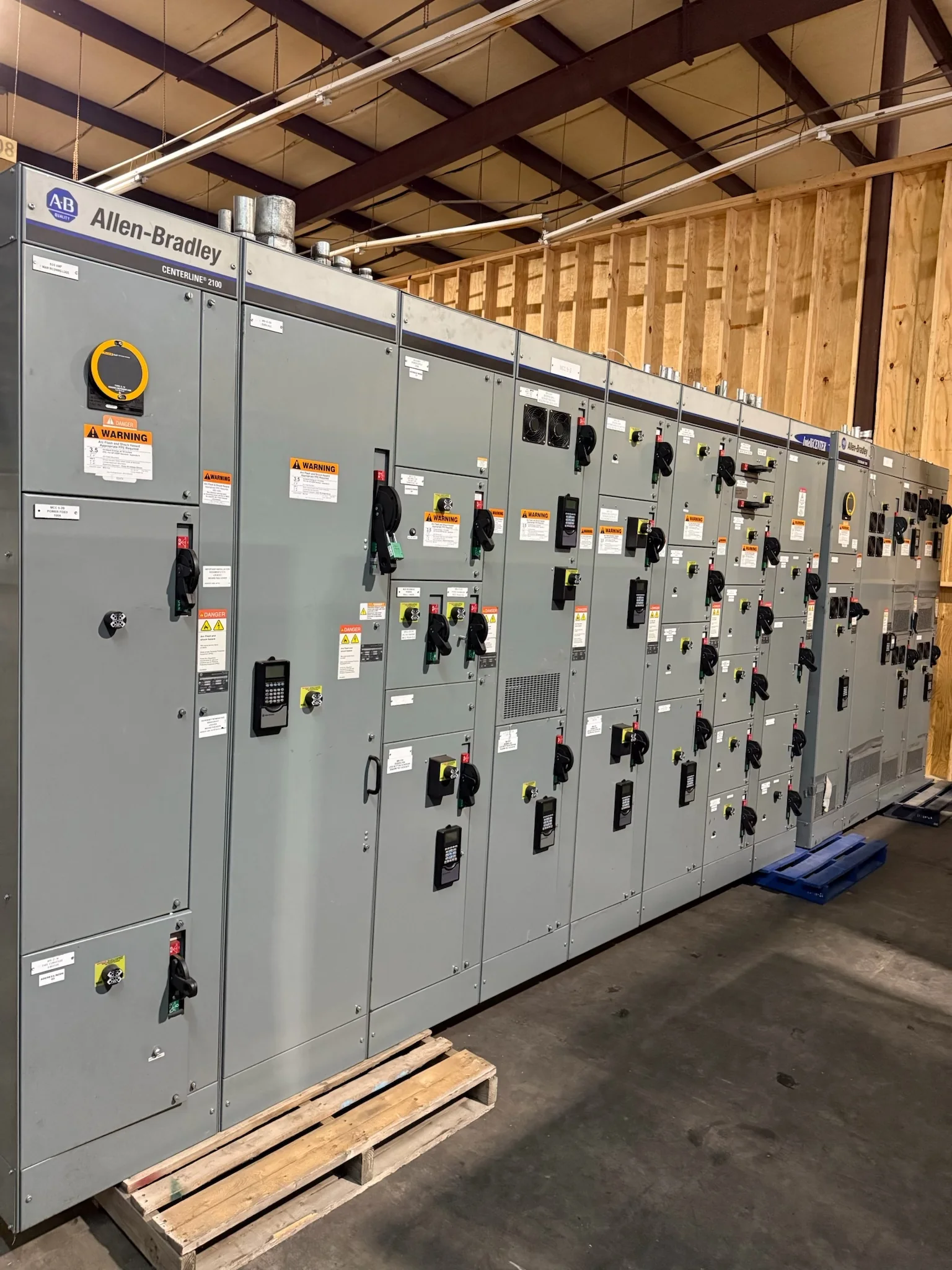
Start with the Plant’s Electrical Duty
Power-plant switchgear must fit the electrical system it serves, not just the equipment-room footprint. Define the source and load arrangement, operating voltage, system frequency, available fault current, grounding method, and expected operating modes before requesting a build. Include normal, standby, and alternate-source conditions where they apply; a lineup designed around only one operating state may not support the plant’s actual switching plan. Identify connected generators, transformers, station-service loads, motor loads, and ties, and have the responsible engineer confirm how they affect the equipment requirements. These inputs guide decisions about bus arrangement, interrupting ratings, protective devices, metering, and control interfaces. Final ratings and construction depend on project-specific engineering review, applicable standards, and the intended assembly type.
Coordinate Protection, Controls, and Interfaces
A switchgear lineup is one part of a coordinated protection and control scheme. Share the project’s one-line diagram, three-line or elementary drawings when available, protection philosophy, relay requirements, and interface points with the manufacturer early. Confirm which devices and functions are included in the new assembly and which remain in plant systems, such as generator controls, distributed control systems, synchronizing equipment, or remote monitoring. Clear boundaries reduce gaps in responsibility and late wiring changes. Relay types, communications protocols, trip and close circuits, alarms, and control-power sources should be reviewed against the plant’s design documents rather than assumed from a previous installation. Protection settings require qualified project engineering; they should not be inferred from equipment selection alone. Documenting interfaces also helps commissioning teams plan checks and resolve discrepancies.


Plan for the Room and the Replacement Path
Room conditions can shape a workable design as much as electrical requirements. Record available floor area, ceiling height, access-door dimensions, aisle clearances, cable-trench locations, overhead obstructions, and the path from unloading point to final position. Note ambient temperature, ventilation, altitude, dust, moisture, corrosive exposure, and any seismic or other environmental criteria specified for the site. These details affect enclosure choices, access, cable entry, and installation planning; a lineup that fits on a drawing may still be impossible to move into the building or service safely. For replacement work, document existing equipment dimensions, terminations, bus connections, and control wiring, but have qualified personnel establish safe work boundaries and verify field conditions. De-energization and the plant’s approved safety procedures are essential for installation and inspection.
Set a Realistic Schedule Around Plant Milestones
A power-plant equipment purchase often has to align with outage windows, construction sequencing, or a unit’s planned return to service. At quotation, identify the required approval-drawing dates, design-freeze milestones, factory coordination needs, ship-to date, and any site receiving restrictions. Ask which submittals are needed for review, such as drawings, bills of material, wiring information, and equipment data, and establish who will return consolidated comments. Custom construction and short lead times are offerings to discuss with a U.S. manufacturer, not a substitute for confirming the schedule of a particular configuration. Late changes to ratings, devices, interfaces, or dimensions can affect engineering and production. Keep procurement, engineering, construction, and operations aligned on decisions and approvals so schedule assumptions are visible before they become site constraints.
Specify Documentation and Acceptance Needs
Good project records make the equipment easier to review, install, maintain, and integrate. The procurement package should state the required drawing formats, revision process, nameplate information, wiring and terminal documentation, operating and maintenance materials, and any project-specific inspection or test documentation. Define acceptance expectations in the purchase documents, including applicable standards and the evidence required for the particular assembly. UL 891 applies to appropriately evaluated low-voltage switchboard assemblies; it is not a blanket certification for medium- or high-voltage equipment, and a standard reference alone does not establish that a specific product carries a UL label. Confirm the exact equipment category, evaluation, and marking requirements for the project. Clear documentation requirements help prevent submittal gaps and give plant staff a usable record after handover.
Coordinate Delivery, Unloading, and Site Handover
Nationwide shipping can connect a U.S.-manufactured lineup with a plant site, but delivery planning still depends on the route and receiving conditions. Identify the delivery address, permitted truck access, delivery hours, escort or security requirements, unloading equipment, staging area, weather exposure, and any limits on vehicle size or site entry. Confirm how the shipment will be divided and handled, who receives it, and how damage or shortages will be documented. These details matter because a site with restricted access or limited laydown space may need a different delivery sequence than a general construction area. Before release, reconcile shipping plans with the approved equipment configuration and installation schedule. The project team should also assign responsibility for receiving inspection, storage conditions, movement into the electrical room, final connections, and commissioning coordination.