Build the Distribution Scope Around the Treatment Process
Wastewater facilities combine loads that serve different process stages, so a useful switchgear scope begins with the electrical one-line and the operating sequence—not a generic equipment list. Identify which pumps, blowers, screens, mixers, controls, and building services must remain available during routine operation, maintenance, or a process upset. Then document normal and alternate sources, transfer arrangements, and the intended boundaries between switchgear, motor-control equipment, and downstream distribution. These decisions affect section layout, feeder provisions, control interfaces, and how operators isolate equipment. Share load data, available fault-current information, system voltage, and the project’s protection and coordination criteria with the manufacturer for review. Final ratings, configurations, and compatibility depend on the actual system and require engineering confirmation.
Account for Corrosive Air, Moisture, and Washdown
Indoor electrical rooms at treatment plants may sit near wet processes, chemical storage, or areas routinely cleaned with water. Corrosive vapors, condensation, airborne contaminants, and washdown exposure can shorten equipment life or undermine reliable operation if room conditions are not considered during specification. Describe the proposed location, ventilation, temperature range, humidity concerns, nearby chemicals, and cleaning practices; clarify whether equipment will be inside a conditioned room, an enclosure, or a building addition. Enclosure selection and any protective features must match the installation and applicable project requirements rather than being assumed from the application name. Room access also matters: leave workable space for inspection, cable termination, component replacement, and safe de-energized maintenance. Confirm environmental and clearance requirements with the design team.


Coordinate Redundancy, Alarms, and Operator Workflows
A distribution decision can affect more than whether a feeder is energized; it can determine how operators respond to a fault without disrupting treatment. Identify critical loads and clarify which equipment has standby capacity, alternate feeds, automatic transfer, or manual operating procedures. Document the desired alarm, indication, metering, and remote-monitoring interfaces, including who supplies control wiring and how signals connect to plant systems. A manufacturer can use these project inputs to develop a build aligned with the specified interfaces, but the control scheme and protective-device settings require project engineering and review. Avoid treating every process load as equally critical: a clear priority list helps the team evaluate feeder arrangements and operational consequences. Confirm how isolation and restart procedures will be handled by qualified personnel.
Resolve Existing-System Interfaces Before Ordering
Replacement or expansion work often has to connect to equipment that will remain in service, making interface information essential before a new assembly is released for fabrication. Provide the existing one-line, equipment nameplates, bus and cable details, physical dimensions, available space, and field-verified termination conditions where available. Identify the existing manufacturer and model when known, but do not assume that matching a nameplate alone establishes electrical or mechanical compatibility. Confirm fault-duty requirements, protective-device coordination, control-voltage needs, grounding, and utility or generator interfaces with the responsible engineer. For retrofit planning, document what stays, what changes, and what must be disconnected or removed by others. Early verification can reveal conflicts in cable routing, room clearances, or outage sequencing before they become costly site changes.
Plan Submittals, Reviews, and Procurement Milestones
A realistic procurement discussion starts with the project’s decision dates and required documents, not an assumed delivery promise. Ask what the bid or construction package requires: drawings, equipment schedules, bill of materials, interface information, and review submittals may each have different approval paths. Clarify who reviews electrical ratings, physical arrangement, protection requirements, and control details, and how revisions will be recorded. The manufacturer offers custom builds and short lead times, but timing depends on the final scope, component availability, engineering approvals, and production requirements; confirm a project-specific schedule before relying on one. Identify long-lead components or unresolved design inputs early, and coordinate procurement milestones with the engineer, contractor, and owner. A complete, approved package helps reduce avoidable rework.
Coordinate Delivery With Access, Outages, and Commissioning
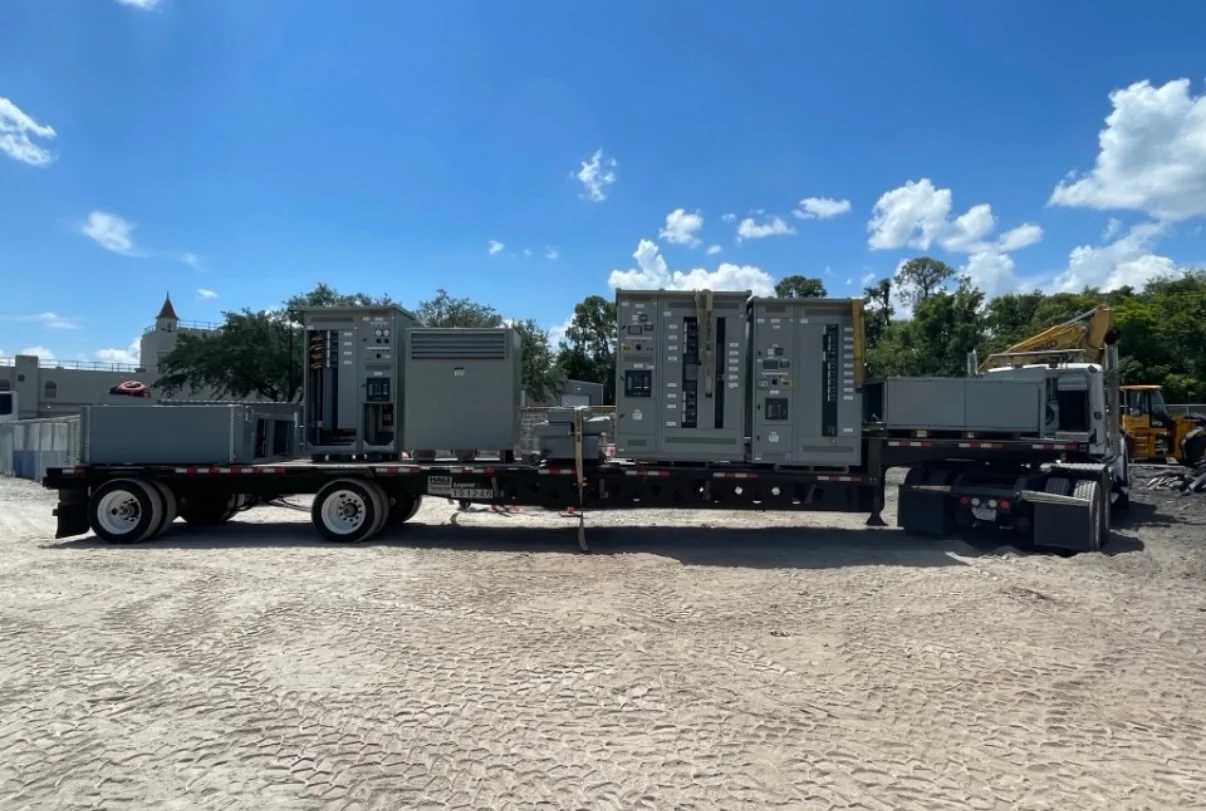
Switchgear delivery to an operating wastewater facility is a site-coordination task as much as a freight movement. Confirm the receiving address and contact, unloading equipment, truck access, delivery-hour restrictions, staging area, and the route from receiving point to electrical room. Narrow roads, soft ground, gates, overhead obstructions, and limited indoor turning space can complicate transport of large sections, so verify dimensions and handling requirements with the project team before shipment. Nationwide shipping is offered, but carrier arrangements, transit timing, and site readiness should be confirmed for the specific order. Align installation and connection work with planned outages and the facility’s operating needs. Before energization, qualified personnel must complete required inspection, testing, and commissioning under the project documents and applicable requirements.