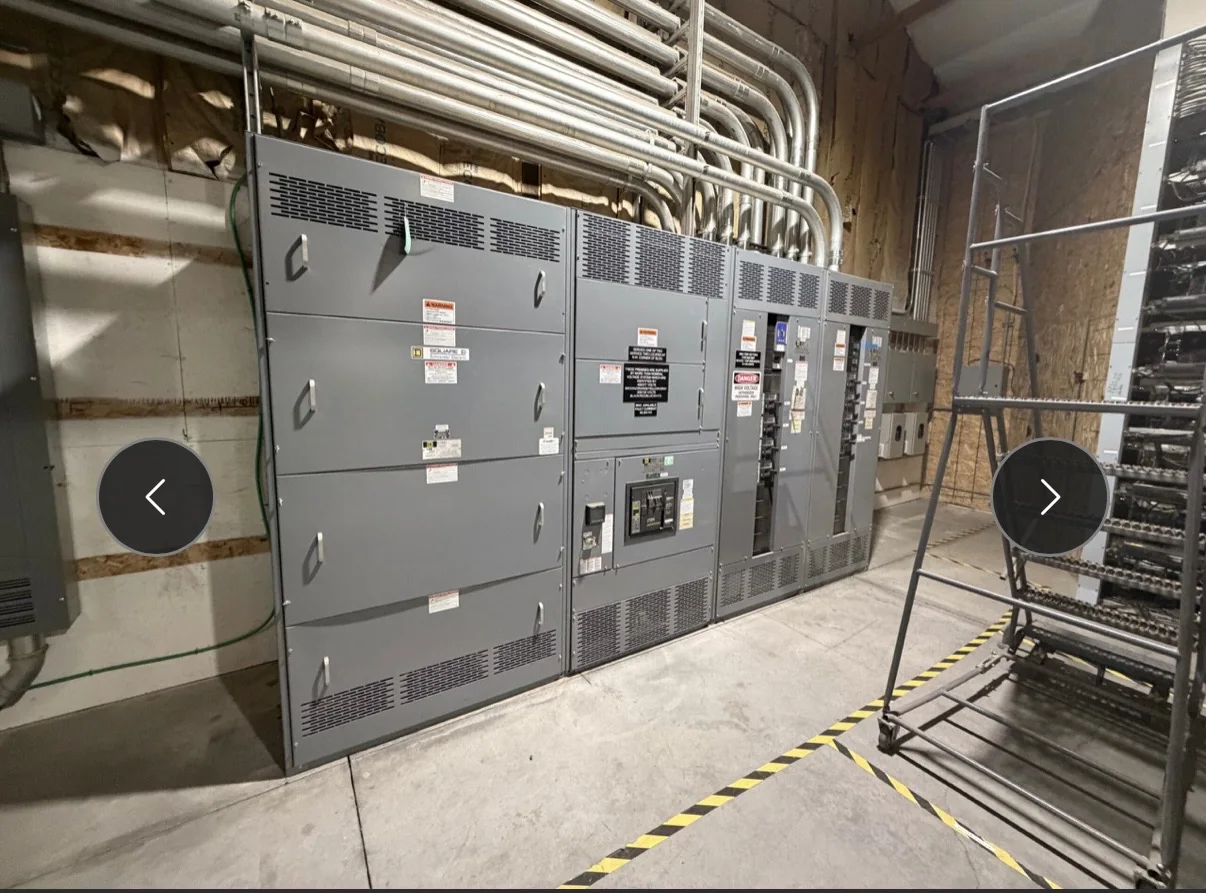
Start With the Electrical Conditions at the Beaumont Site
A custom switchgear package should begin with the system it must serve, not a preferred lineup or catalog description. For a Beaumont facility, identify the service voltage, available fault current, frequency, grounding arrangement, source configuration, and expected load profile. Include motor starting, large process loads, standby generation, and any planned expansion; these affect equipment selection and coordination. The local operating environment also deserves attention: indoor or outdoor placement, ambient temperature, humidity, dust, corrosive exposure, and water-ingress risks can influence enclosure and space-heating requirements. Share the one-line diagram and utility information early so the manufacturer can review the application before design details are fixed. Ratings, construction, and applicable standards remain project-specific and require engineering review.
Choose an Assembly That Fits the System and Scope
The term switchgear can cover different equipment classes, so the purchase specification should state whether the project calls for low-voltage switchboard equipment or medium-voltage gear. For low-voltage switchboards, UL 891 may apply to an appropriately evaluated assembly; it is not a blanket listing for every product or voltage class. Define main and feeder devices, bus requirements, metering, protective relays, control power, and communications interfaces, while identifying what the manufacturer supplies versus what others furnish. Existing equipment replacement requires special care: document the bus arrangement, cable entry, termination space, mounting, and connection points rather than assuming a new lineup will match. Confirm compatibility and evaluation requirements for the actual configuration before release.


Resolve Layout and Tie-In Constraints Before Approval
A lineup that meets electrical requirements can still create costly site problems if it cannot be moved into place or connected as planned. Provide room dimensions, ceiling height, door and corridor clearances, floor loading limits, access routes, and the location of cable trenches or overhead conduits. In process facilities around Beaumont, operating equipment and restricted work areas may limit the available delivery path or installation window. Show required working clearances and identify whether the gear must align with existing sections, bus duct, or cable compartments. Review shipping splits, anchoring, lifting access, and whether the equipment arrives assembled or in sections. Resolving these details during drawing review reduces field modifications and helps the site team plan safe installation with equipment de-energized.
Compare Lead-Time Plans on Equal Terms
Short lead times are useful only when the proposal covers the same scope and design maturity as competing offers. Ask for the expected schedule, its starting milestone, customer submittal and approval deadlines, and any components that could affect completion. Custom bus, protective devices, metering, control wiring, and specified communications features can each shape the production plan. Provide a clear bill of requirements and identify acceptable substitutions, if any, so the manufacturer can flag conflicts before purchase authorization. A U.S. manufacturer offering American components may be a fit for procurement goals, but component origin and availability should be confirmed for the selected configuration. Treat schedule information as an estimate tied to project details, not a guaranteed delivery date.
Coordinate Shipping and Receiving in Southeast Texas
Nationwide shipping can support a Beaumont project, but the receiving plan needs to match the site rather than just the destination ZIP code. Confirm the delivery address, gate hours, truck restrictions, unloading equipment, staging capacity, and whether a carrier needs advance access instructions. Heavy electrical assemblies may require a suitable forklift or crane, a clear route to the electrical room, and protection from weather during temporary storage. Discuss shipment size, section weights, packaging, and delivery sequencing before dispatch; these details matter when access is constrained or work must fit a plant shutdown. The Port of Beaumont and regional industrial activity make careful freight coordination especially relevant, but a port reference does not determine a particular route. Verify logistics for the actual site.
Build a Submittal Package That Supports Installation
A useful submittal set gives engineering, procurement, and the field crew a common basis for checking the equipment. Request drawings showing overall dimensions, front and side elevations, conduit or cable-entry zones, lifting points, section weights, and connection details. Include the approved one-line diagram, device schedule, control schematics, metering requirements, and available product documentation needed for review. Compare the final drawings against the latest site conditions and utility requirements before authorizing production; late changes can affect layout, cost, and schedule. At turnover, clarify what operating and maintenance documents, wiring information, and test records are supplied for the specific assembly. Share the application, site constraints, and target dates with the manufacturer to discuss a quote for new custom switchgear.