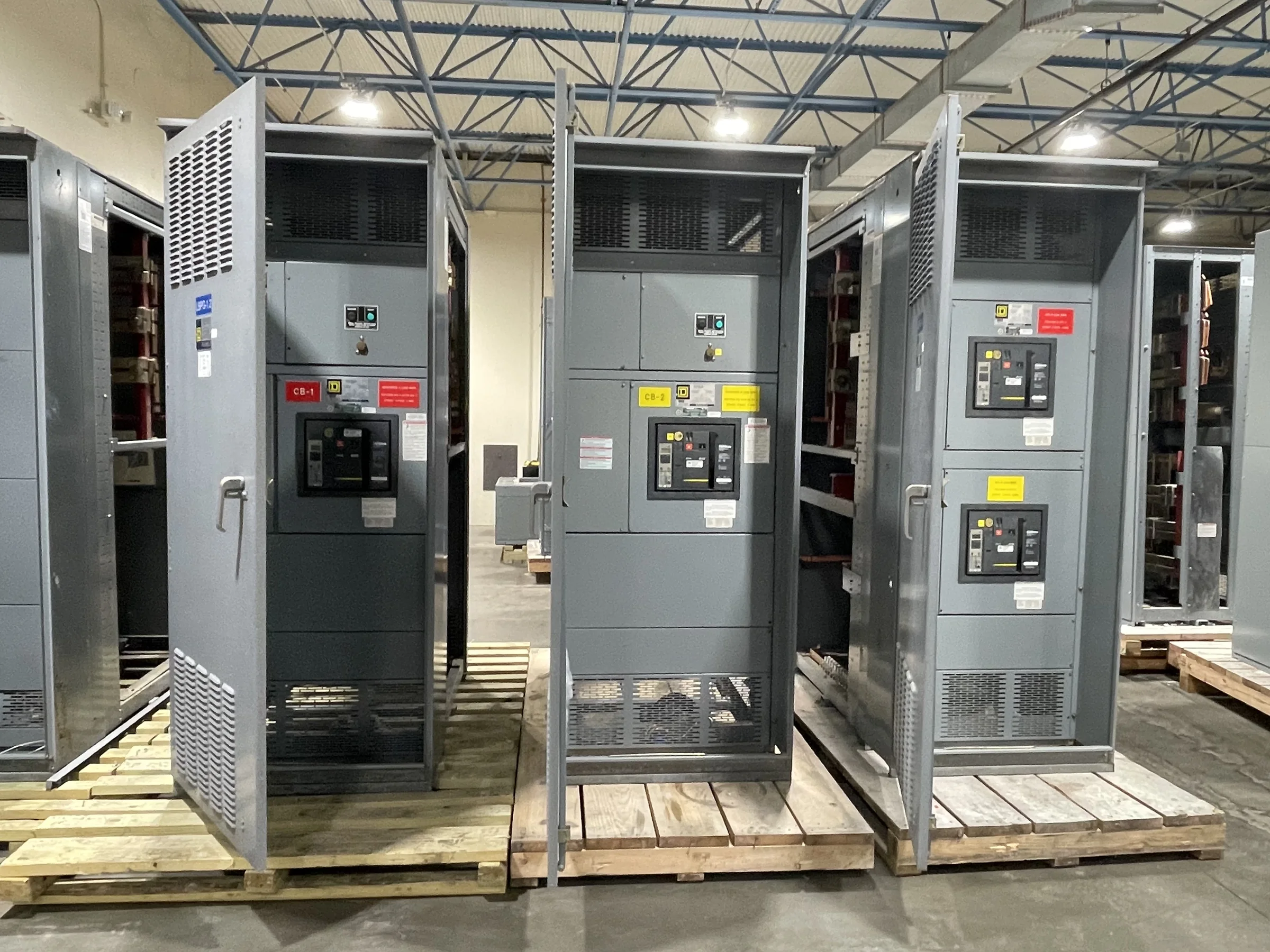
Define the Electrical Duty Before Requesting a Quote
A custom switchgear package should start with the system it must serve, not a preferred enclosure size or a generic equipment description. Identify the service voltage, available fault current, system grounding, source arrangement, and the loads the assembly will supply; these details influence equipment selection, bus configuration, protective-device coordination, and space needs. Note whether the project is new construction, a capacity addition, or replacement of existing gear. For Cypress facilities, include the utility-service information and any planned generator or alternate-source connections so the design can be reviewed against the actual operating arrangement. Share one-lines and load schedules when available, and flag unresolved inputs rather than assuming them. Confirming the design basis early helps procurement compare proposals on equivalent scope and reduces late changes.
Choose an Assembly That Fits Its Application
“Switchgear” can describe equipment with different construction, ratings, and intended uses, so the project documents should name the assembly type and application clearly. A low-voltage switchboard, for example, is not interchangeable with medium-voltage metal-enclosed equipment simply because both distribute power. UL 891 applies to appropriately evaluated low-voltage switchboard assemblies; it is not a blanket certification for medium- or high-voltage equipment, and a listing should never be assumed for every custom configuration. Ask the manufacturer to identify the proposed assembly, applicable standards, evaluation or labeling basis, and any exclusions in the quote. Then have the electrical engineer verify that the selected equipment suits the system and specification. This avoids comparing unlike proposals or discovering that a required feature is outside the offered scope.


Resolve Protection, Metering, and Operating Needs
Protection and controls should reflect how the facility will operate during normal service, maintenance, and abnormal conditions. Provide the engineer’s coordination study requirements, protective-device preferences, metering points, alarm signals, and any interlocking or transfer sequence shown in the design. If a generator, photovoltaic source, or other alternate supply is involved, describe the intended operating modes; source interactions can affect protection and control choices. Do not treat a breaker frame size or a familiar device brand as proof that the complete arrangement is suitable. The manufacturer needs project-specific information to assess compatibility and scope, while the engineer remains responsible for the system design and approvals. Clear schedules and control narratives help avoid omitted accessories, mismatched interfaces, and commissioning delays caused by assumptions made during purchasing.
Check the Site Before Finalizing the Configuration
The equipment must fit the electrical room and the route used to bring it there. Verify room dimensions, door and corridor clearances, floor capacity, housekeeping-pad details, overhead obstructions, and the manufacturer’s required working and service clearances against the project documents. In Cypress, coordinate these checks with the actual building conditions and site access plan rather than relying on a general assumption about Houston-area facilities. Confirm the delivery approach, unloading responsibility, staging area, and whether the route includes tight turns, ramps, or restricted access. Also review heat, humidity, dust, and other environmental conditions against the specified enclosure and installation requirements. These checks matter because a correctly selected assembly can still create costly rework if it cannot be moved into the room or serviced safely once installed.
Align Submittals and Purchasing Scope
A complete procurement package should make the offered equipment easy to review against the contract documents. Request drawings, electrical ratings, device schedules, dimensions, connection details, bill of materials or scope summary, and any required certification or labeling information applicable to the proposed assembly. Identify exclusions, field-supplied items, accessories, and interfaces with existing equipment before the order is released. For replacement work, provide nameplates, photographs, available drawings, and measured connection details; visual similarity alone does not establish electrical or mechanical compatibility. Ask the manufacturer to note deviations for engineer review rather than treating them as accepted substitutions. Documenting these decisions protects the purchasing team from gaps between the specification and delivered scope, and gives installers clearer information for planning foundations, conduits, terminations, and control wiring.
Plan Timing, Shipping, and Installation Coordination
Custom equipment timing depends on the approved design, component availability, submittal review, manufacturing sequence, and project-specific scope; ask for a current schedule tied to those milestones instead of relying on a generic lead-time estimate. Identify when drawings are needed, who will approve them, and how quickly revisions can be returned. For a Cypress delivery, coordinate the requested ship window with site readiness, receiving hours, unloading equipment, storage conditions, and the installation contractor’s schedule. Nationwide shipping is an available offering, but freight details and delivery arrangements should be confirmed for the particular order. Keep the engineer, facility manager, installer, and purchasing contact aligned on any access restrictions or outage planning. Before replacement or tie-in work, establish the approved shutdown and safety plan; installation and service must follow applicable requirements and never assume energized work is acceptable.