Translate Freeport Plant Loads Into a Clear Switchgear Scope
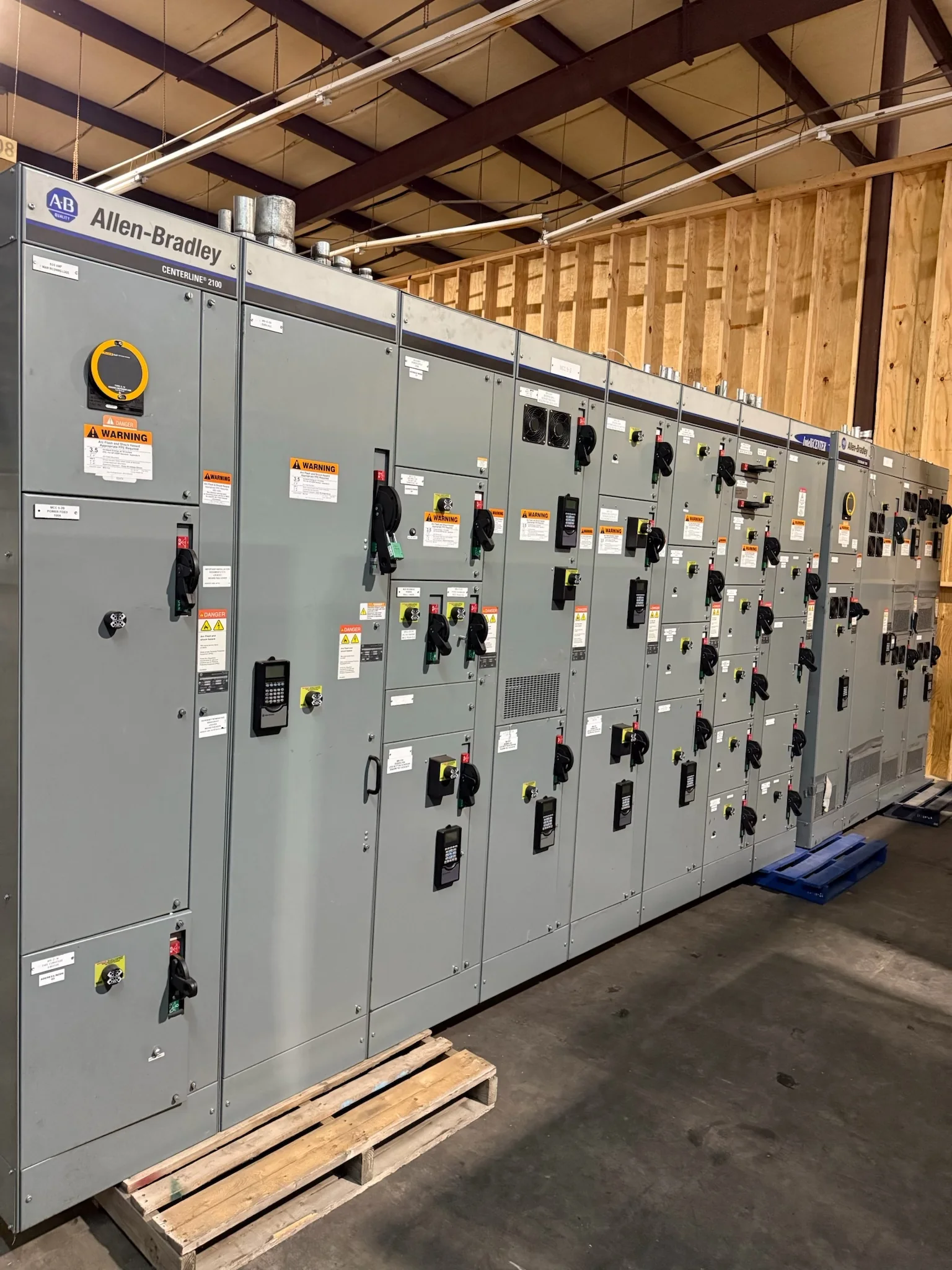
A custom switchgear package should start with the electrical duty it must perform, not a catalog description. For a Freeport-area project, identify the source voltage, available fault current, system grounding, normal and emergency sources, connected loads, and the way operators need to isolate or transfer power. Include motor-starting demands, large process loads, future circuits, and any coordination with existing distribution. These details affect bus and protective-device selection, enclosure arrangement, and whether the scope calls for a low-voltage switchboard or a different equipment class. Share one-line diagrams, load schedules, and project criteria early; gaps between those documents can lead to mismatched assumptions. Final ratings, construction, standards, and compatibility must be confirmed for the specific installation.
Resolve Existing-System Interfaces Before Requesting a Quote
Replacement and expansion work often depends on details that are difficult to infer from a panel label alone. Document existing gear manufacturer and model, bus arrangement, breaker types, cable or busway terminations, available space, and the intended connection points. Field measurements and verified drawings help reveal obstacles such as overhead piping, limited working clearance, or feeder conductors that cannot reach a changed termination location. In Freeport, where a project may sit within a larger industrial facility, coordinate interface information with the electrical engineer and site owner rather than assuming adjacent equipment is standardized. Provide photographs as supporting context, not as a substitute for dimensions or electrical data. The manufacturer can then review the proposed scope and identify questions that need resolution before equipment is specified.


Coordinate Protection, Control, and Operating Requirements
Protective devices must suit both the electrical system and the way the facility is operated. Define the required trip functions, metering, alarm points, interlocks, control power, and any communications interfaces in the project documents. An engineer should evaluate short-circuit ratings and protective-device coordination against the actual system study and the connected equipment; a breaker that fits the lineup is not automatically suitable for the application. If the switchgear supports process continuity, describe how operators will distinguish normal, alternate, and emergency sources and what status information must reach the control system. Include approved device preferences where they matter, while allowing compatibility and availability to be reviewed. Confirm settings, wiring, and functional expectations through project submittals before release for manufacture.
Plan Enclosure and Installation Around Coastal Industrial Conditions
Freeport’s Gulf Coast setting makes environmental review a practical part of equipment selection. Ask the project team to document whether gear will be indoors or outdoors, the exposure to wind-driven rain, salt-laden air, dust, process chemicals, washdown, and temperature extremes, and the owner’s enclosure and corrosion-protection criteria. These conditions can influence enclosure construction, finish, ventilation, and maintenance planning, but no single treatment should be assumed adequate without project review. Check the installation location for slab dimensions, anchoring provisions, door swing, egress, access for inspection, and required electrical working space. If the lineup must pass through an existing opening, verify the shipping configuration and route before finalizing dimensions. Site conditions and applicable requirements should be confirmed by the project’s qualified design team.
Review Submittals, Standards, and Commercial Assumptions
A useful quotation review checks the proposed equipment against the same documents used to define the project. Compare the one-line diagram, specification, circuit schedule, device list, enclosure requirements, and requested options; identify exceptions rather than treating an omitted feature as included. Clarify whether the scope includes controls, metering, accessories, drawings, and other requested documentation, and establish who will review and approve submittals. For low-voltage switchboard assemblies, UL 891 may be relevant when the design and evaluation fall within its scope; it is not a blanket certification for medium- or high-voltage equipment. Confirm the applicable standards, evaluation, labeling, and project acceptance requirements for the exact assembly. A U.S. manufacturer can discuss custom construction and American components, with final selections subject to scope and availability.
Align Manufacturing Timing With Freeport Delivery and Site Readiness
Discuss the required in-service date, approval milestones, and delivery constraints when requesting a quote; a short stated schedule is not a substitute for a confirmed project plan. Custom engineering, drawing review, component selection, and changes after approval can affect the sequence, so identify decision-makers and return submittals promptly. For delivery to Freeport, provide the receiving address through project channels, site contact, delivery hours, truck restrictions, unloading method, and any gate, escort, or weather-related procedures. Confirm whether the equipment will arrive as a complete lineup or in sections, and make sure the receiving team can inspect, protect, and stage it without obstructing installation work. Verify schedule, shipping configuration, and availability with the manufacturer for the specific order; installation and energization require qualified personnel and an approved site plan.