Start With the Distribution Problem, Not a Catalog Frame
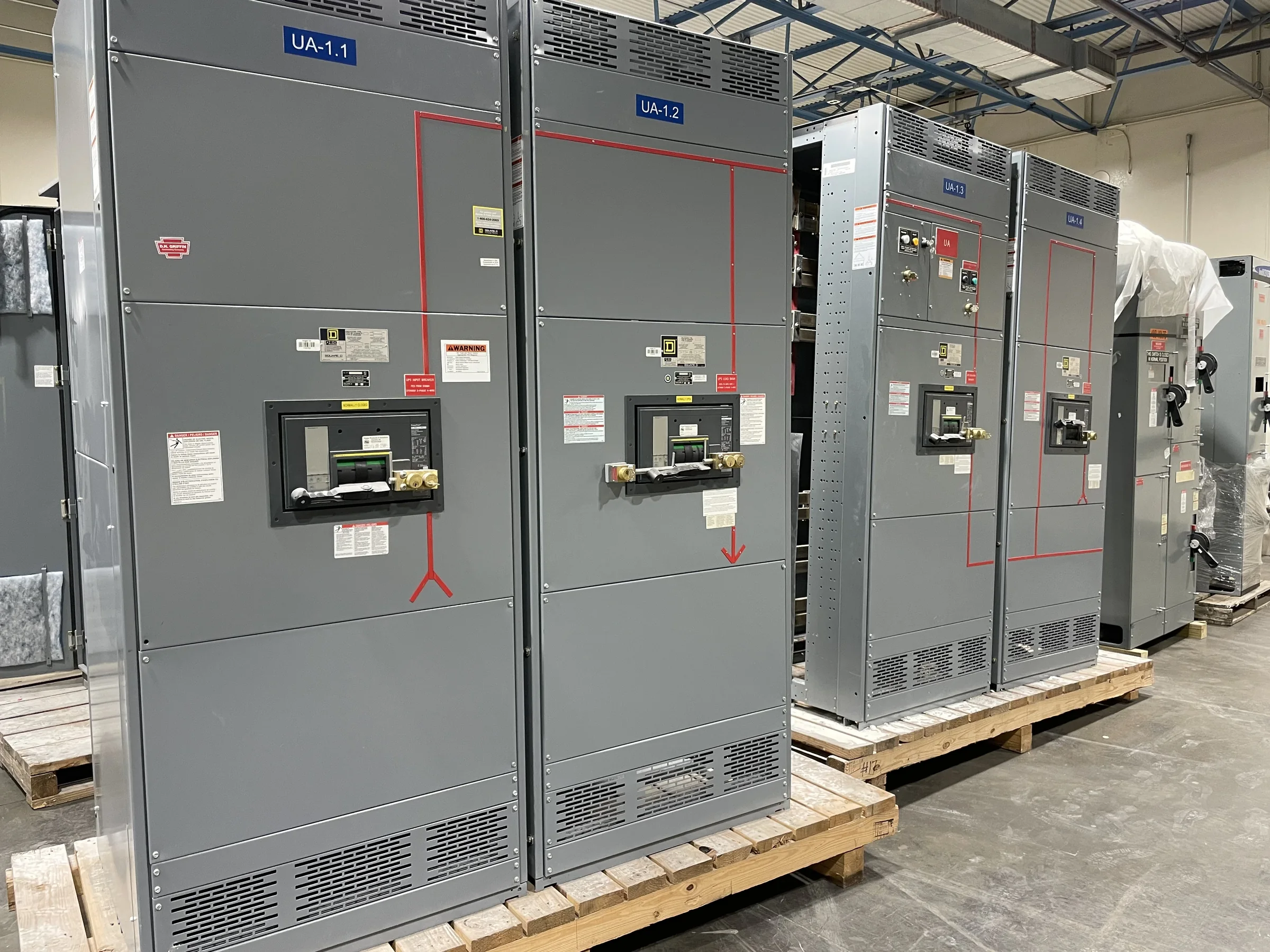
A custom switchgear specification should begin with the job the equipment must perform: serve a new building, replace an aging lineup, add capacity, or connect a changed load. For a Spring, Texas project, gather the one-line diagram, service information, available fault-current data, load schedule, and any utility or facility criteria before requesting a quote. These documents help the manufacturer identify the electrical arrangement and flag missing decisions early, rather than price an assumed configuration. Clarify whether the scope is low-voltage switchboard equipment or a different class of switchgear; terminology alone does not establish voltage, construction, or applicable standards. Ratings, protective devices, bus details, enclosure, and evaluation requirements must be confirmed for the specific application. A well-defined starting package gives engineering and procurement a more useful basis for review.
Coordinate New Equipment With Existing Gear
Replacement and expansion work bring a different challenge: the new assembly must fit the electrical system and the physical space already in service. Provide existing equipment nameplates, drawings, photographs, and measured room dimensions when available, while treating field verification as essential before finalizing interfaces. Record cable entry direction, conductor sizes and bend space, bus connections, access clearances, and the location of adjacent equipment. A lineup that matches nominal voltage may still be unsuitable if its connection points, footprint, or operating arrangement conflict with the existing installation. For retrofit planning in Spring, identify what must remain energized elsewhere and establish the shutdown and cutover plan with the facility’s qualified electrical team. Compatibility, modifications, and required outage conditions are project-specific; resolving them during design reduces the risk of late changes and installation delays.


Use the Schedule to Set Realistic Design Priorities
Procurement teams often need a delivery plan before every engineering detail is settled. Share the required in-service date, approval milestones, construction sequence, and any outage window with the manufacturer, then ask which decisions must be resolved before drawings can be released. A U.S. manufacturer offering custom builds and short lead times can discuss timing against the actual scope, but no delivery period should be treated as guaranteed until requirements, approvals, materials, and production availability are reviewed. Identify long-lead or owner-selected components, and distinguish firm requirements from acceptable alternatives so changes can be evaluated without quietly altering the design basis. For a Spring-area project, coordinate the equipment date with the electrical contractor’s installation plan and the site’s readiness. A credible schedule includes review, fabrication, shipping, receiving, and installation—not just a quoted production interval.
Design for the Room, Route, and Texas Site Conditions
The equipment room and delivery route can constrain a custom lineup as much as its electrical ratings. Confirm doorway and corridor dimensions, turning space, floor loading, unloading access, staging area, and the path from the receiving point to the final location. If the assembly must be divided into shipping sections, verify that the planned joints and field connections suit both the room layout and installation sequence. In Spring, coordinate delivery with the project’s actual site conditions, including construction traffic, weather exposure during receiving, and any limits on truck access or staging; these details should be checked with the site team rather than assumed from the city name. Protect equipment from moisture, contamination, and impact during storage. Early logistics review matters because a lineup that cannot be safely received or moved into position can disrupt the installation schedule.
Make Submittals and Acceptance Criteria Actionable
Useful submittals connect the purchasing specification to the equipment the project will receive. Define required drawing content, review responsibilities, approval timing, and the documents needed for installation, operation, and maintenance. Depending on the project, the review package may need a one-line diagram, layout, connection details, component information, and clearly identified deviations from the specification. Confirm who will check protection coordination, fault-current suitability, control interfaces, and integration with monitoring or other facility systems; do not assume a manufacturer’s drawing review replaces the engineer of record’s design responsibility. UL 891 applies to appropriately evaluated low-voltage switchboard assemblies, not automatically to every switchgear product or voltage class. State the required standard or evaluation in the procurement documents and confirm its applicability to the proposed assembly. Clear acceptance criteria help prevent disputes over what was quoted, approved, and supplied.
Request a Quote With a Complete Scope and Delivery Plan
A useful request for quotation gives the manufacturer enough information to distinguish required features from open design questions. Include the project location in Spring, Texas; service characteristics; load and fault-current information; one-line diagram; desired lineup arrangement; environmental and enclosure needs; control requirements; and relevant site dimensions. Add the required submittal and delivery milestones, shipping destination, receiving restrictions, and any installation or startup responsibilities that belong in the scope. Ask the supplier to identify assumptions, exclusions, alternates, and information still needed, then compare proposals on equivalent technical boundaries rather than total price alone. The manufacturer offers new equipment, American components, custom builds, and nationwide shipping; exact component selection, assembly evaluation, compatibility, availability, and delivery timing remain project-specific. A documented scope helps engineering, procurement, and the facility team make a sound decision before approving fabrication.