Define the Distribution Need Before Selecting an Assembly
For a Tomball project, start with the electrical function the equipment must perform, not a preferred enclosure size or a copied schedule note. Establish the source voltage, system configuration, available fault-current information, main and feeder requirements, and whether the assembly serves a new installation, an expansion, or a planned replacement. Those inputs influence bus arrangement, protective-device coordination, metering, and how the gear connects to upstream and downstream equipment. Confirm whether the application calls for a low-voltage switchboard or a different class of equipment; UL 891 applies to appropriately evaluated low-voltage switchboard assemblies, not medium- or high-voltage gear. Have the engineer of record verify design criteria and applicable codes. Clear requirements early help prevent late revisions that affect price, review, and delivery.
Coordinate Ratings, Protection, and Existing-System Interfaces
A custom build is useful when standard layouts do not match the project, but customization still has to fit the electrical system and the available installation space. Provide the manufacturer with one-line diagrams, equipment schedules, specified ratings, grounding details, and interface requirements for incoming and outgoing conductors. Where replacing existing gear, document the installed equipment’s manufacturer, catalog information, dimensions, termination locations, and field conditions; photographs can supplement, but not replace, verified measurements. Confirm protection and selective-coordination requirements with the project engineer, since breaker choices and settings affect both equipment selection and system behavior. Do not assume an existing footprint or connection pattern will transfer directly to a replacement. Reviewing these details before release reduces the risk of field modifications, mismatched connections, and schedule disruption.


Plan for Tomball Site Conditions and Equipment Access
Tomball-area projects may involve industrial facilities, commercial buildings, or sites where deliveries share limited access with ongoing operations. Before approving a layout, check the equipment room’s clearances, door and corridor dimensions, floor-loading limits, turning paths, and the route from the delivery point to the final position. Houston-area heat, humidity, and severe-weather exposure also make the installation environment worth documenting, especially if equipment is placed outdoors or in a space with ventilation or moisture concerns. Specify the intended location and enclosure requirements for engineering review rather than assuming a standard enclosure suits every site. Confirm receiving hours, unloading responsibility, staging space, and any access restrictions with the site team. These practical checks can prevent a shipment from arriving before the facility is ready to receive or move it.
Make Drawings and Submittals Useful to the Whole Team
Procurement, engineering, construction, and operations each need the same project requirements interpreted consistently. A clear request for quotation should identify the equipment type, quantity, system data, specified components, options, and required documentation, while noting which details are preliminary or still under review. Ask for drawings and submittal information needed to coordinate dimensions, conduit entry, terminations, and equipment interfaces before fabrication authorization. Compare the returned documents against the latest one-line diagram and project specifications; flag discrepancies rather than relying on assumptions or informal notes. Record approved deviations and revision status so installers do not work from outdated information. For a custom assembly, disciplined document review matters because changes to layout or components can affect fit, coordination, cost, and timing. Final requirements and applicability remain project-specific.
Discuss Schedule Realistically, Including Approval Time
Short lead times may be available, but a project schedule should be based on the actual scope, component availability, engineering review, and approval cycle—not a general promise. When requesting a quote, share the required in-service date, decision milestones, and any constraints on substitutions or approved manufacturers. Identify who can review drawings and return consolidated comments, since slow or conflicting approvals can hold up release even when the equipment scope is settled. Ask the manufacturer to confirm current timing for the quoted configuration and to explain what events could change it. Treat revisions, incomplete technical data, and late component decisions as potential schedule risks. For a Tomball installation, coordinate the equipment date with construction readiness, inspection planning, and planned outages; delivery alone does not mean the system is ready for safe installation or energization.
Coordinate Delivery, Installation, and Turnover
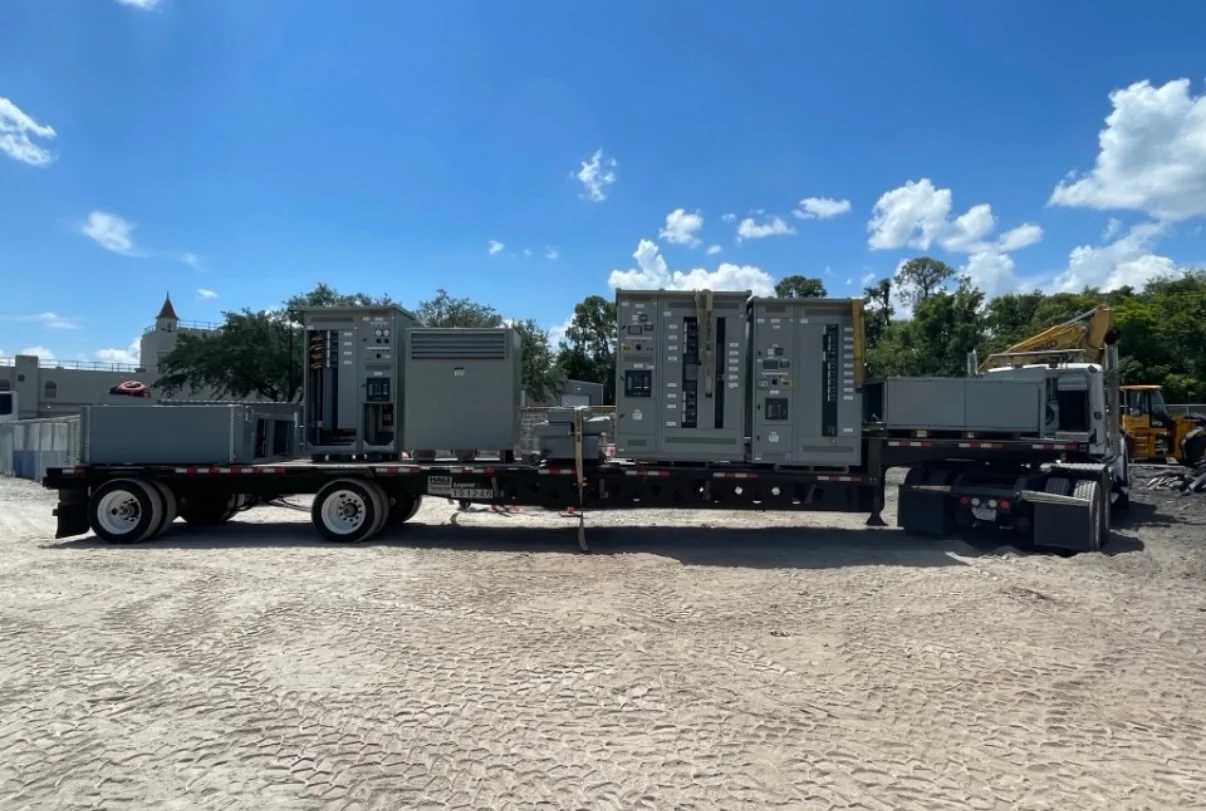
Nationwide shipping can support a Tomball project, but delivery arrangements need to match the shipment and the site’s ability to receive it. Confirm the ship-to location, contact person, access hours, unloading equipment, weather protection, and whether the assembly can be moved from the receiving point to its final location. Review shipping splits and handling requirements against the installation plan; moving equipment through a tight doorway or across a restricted floor may require advance coordination. Before installation, verify the approved drawings, clearances, anchorage, conductor routing, and interface details with the responsible project team. Electrical installation, inspection, testing, and energization must be planned and performed by qualified personnel under applicable requirements, with equipment de-energized for work where required. Request the project’s agreed closeout documents so operations staff can maintain the installed equipment.