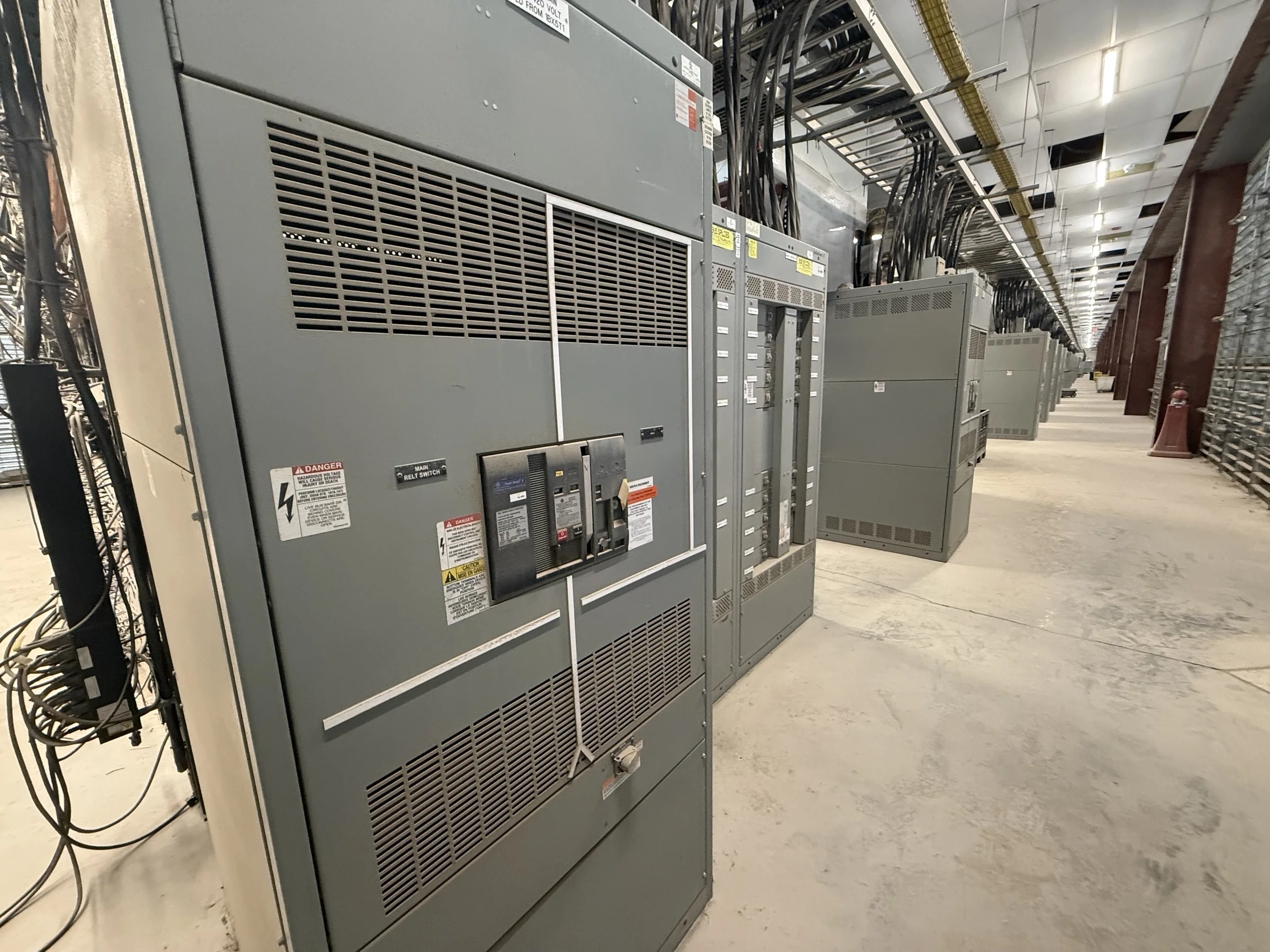
Start With the Process Loads and Distribution Scope
Petrochemical facilities often bring process equipment, utilities, buildings, and safety-related systems onto interconnected electrical distribution networks. A switchboard specification should therefore begin with a clear account of what the equipment must serve, not just a nominal ampere rating. Identify incoming sources, feeder destinations, expected load types, operating modes, and any planned expansion or tie arrangements. Motor loads, variable-frequency drives, transformers, and other power-electronic equipment can affect loading, coordination, and equipment selection, so provide relevant load data and one-line diagrams for engineering review. Also distinguish normal, standby, and emergency operating needs where applicable. This information helps the project team evaluate a new low-voltage switchboard’s configuration and interfaces without assuming that one arrangement suits every process area. Final ratings, construction, and suitability depend on project-specific review.
Account for the Electrical Environment and Area Classification
A switchboard’s installation environment matters as much as its connected load. Petrochemical sites may include indoor electrical rooms, outdoor locations, corrosive atmospheres, dust, moisture, vibration, or elevated ambient temperatures; actual conditions vary by unit and site. Share the intended location, enclosure requirements, room layout, ventilation conditions, and any environmental or hazardous-area classification documents with the equipment manufacturer. A switchboard should not be presumed suitable for installation in a classified area simply because it serves a petrochemical process. The project’s electrical and hazardous-area engineers must establish where equipment may be located and what protection or separation is required. Clear environmental information supports a more appropriate design review and helps avoid late changes caused by an enclosure, access, or installation condition that was overlooked during procurement.


Coordinate Protection, Fault Duties, and System Interfaces
Protection and fault-duty information must align with the facility’s broader power system. Provide available fault-current data, upstream protective-device information, grounding approach, and the intended coordination or arc-flash study inputs when requesting a switchboard quotation or design review. These details affect the evaluation of bus and device ratings, protective-device selections, and the switchboard’s relationship to transformers, generators, and downstream equipment. They also help engineers identify whether the proposed arrangement fits the documented system conditions rather than relying on assumptions. Specify required metering, communications, control interfaces, and any interlocking functions, while identifying who owns each interface. The manufacturer can review the requested equipment scope, but system studies, settings, and final application decisions require coordination among the responsible project engineers and other equipment suppliers.
Make Drawings, Submittals, and Acceptance Requirements Explicit
Procurement documents should make technical expectations reviewable before fabrication. Include the one-line diagram, equipment schedule, feeder and device requirements, bus configuration, available fault-current basis, enclosure and environmental criteria, and connection details where established. Identify the governing project specifications and applicable standards, plus any required submittal drawings, product data, inspection points, test documentation, and final record documents. For low-voltage switchboard assemblies, UL 891 may be relevant when applicable to the specified assembly and evaluation; it is not a blanket certification for medium- or high-voltage equipment, nor should a listing be assumed without confirmation for the actual product. A defined document register and approval sequence help prevent conflicting revisions, clarify responsibilities, and reduce the risk that a late interpretation changes the equipment scope or disrupts the project schedule.
Plan Schedule Around Approvals, Interfaces, and Site Readiness
A requested delivery date depends on more than the manufacturer’s fabrication period. Engineering completeness, drawing review cycles, approved substitutions, component availability, and changes to the project’s electrical scope can all influence the schedule. For petrochemical projects, align switchboard milestones with transformer and generator interfaces, electrical-room completion, cable procurement, commissioning plans, and any planned outage or unit turnaround. Ask for the current project-specific schedule after the required design information is available, and identify which approvals or decisions could affect it. Do not treat an estimated schedule as a guaranteed delivery commitment until the scope and commercial terms are confirmed. Early discussion with a U.S. manufacturer can help procurement teams identify open items, sequence submittals, and coordinate expectations, while keeping schedule assumptions visible to engineering, construction, and operations.
Coordinate Shipping, Receiving, and Installation Logistics
Delivery planning should reflect the actual site route and receiving process, not just the destination name. Petrochemical facilities may require advance notice, approved carriers, security clearance, restricted delivery windows, escort arrangements, or specific unloading equipment. Confirm the receiving address and contact through the project team, then check roadway and gate constraints, dock or laydown access, equipment-room openings, lifting provisions, and the planned route from unloading point to final location. Review shipment packaging and handling requirements before arranging storage, especially if the switchboard will wait on site before installation. Clarify who unloads, inspects, stores, and reports visible shipping damage, and coordinate those responsibilities with the contractor and facility. Nationwide shipping can support projects across the United States, but site access, shipment timing, and handling arrangements remain project-specific.