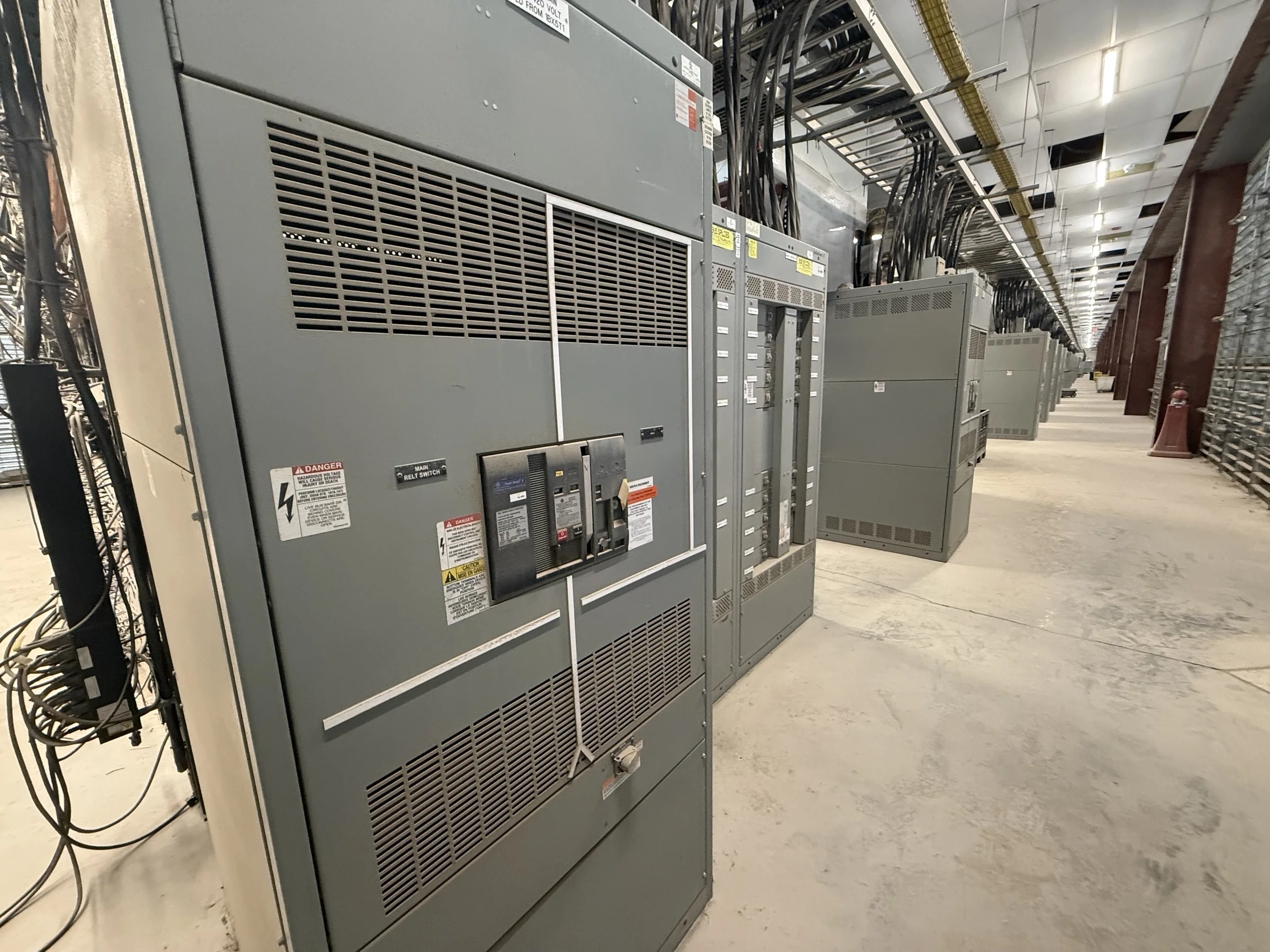
Plan the Switchboard Around Cypress Site Conditions
For a Cypress project, start with the electrical one-line diagram and the conditions at the actual installation site—not just a nominal equipment rating. Confirm system voltage, phase, available fault current, service or distribution function, and whether the board must coordinate with upstream and downstream protective devices. These details determine which configurations can be evaluated and what information the manufacturer needs before preparing a quote. In the Houston area, outdoor exposure, high humidity, wind-driven rain, and heat can affect enclosure selection and placement, but the appropriate construction depends on the specific location and design requirements. Identify indoor or outdoor installation, ambient conditions, environmental exposure, and any applicable project standards early. That helps avoid specifying equipment that fits the electrical plan but not the site.
Resolve the Fit Before Approving a Custom Build
A switchboard can meet its electrical purpose and still create costly problems if it will not fit through the building or into the allocated room. Before approving drawings, compare the proposed lineup dimensions with the equipment-room plan, door and corridor clearances, turning space, floor openings, and the path from the delivery point. Check working space and access against the project design and applicable requirements; do not assume existing clearances are adequate for replacement equipment. In Cypress, a suburban site may have delivery access shared with active operations, construction traffic, or other tenants, so staging and offloading need coordination as well as floor-space review. Give the manufacturer verified dimensions and access constraints. Confirm final dimensions and interfaces from the project-specific approved drawings before construction or shipment.


Specify Bus, Breakers, and Future Capacity Clearly
Procurement documents should describe what the switchboard must do, not rely on a broad label such as “main distribution.” State the intended service, bus arrangement, incoming and outgoing devices, feeder quantities, and any metering or control functions shown in the design. Where future circuits or load growth are anticipated, distinguish actual installed requirements from reserved space or provisions; extra capacity may affect lineup dimensions, cost, and coordination. Breaker frame, trip functions, interrupting requirements, and protective-device coordination must be reviewed against the system study and project documents rather than selected by guesswork. Also identify any required interface with existing gear, generators, transfer equipment, or building controls. These details let engineers assess compatibility and give purchasing a clear basis for comparing a new, custom-built assembly with the project scope.
Send a Complete RFQ Package to Reduce Revisions
A focused request for quotation helps the manufacturer identify missing engineering inputs before they turn into drawing revisions or procurement delays. Include the latest one-line diagram, equipment schedule, specifications, available fault-current information, protective-device requirements, and site or room drawings when available. Mark deviations from the design basis and list required submittals, review milestones, and documentation. If the switchboard replaces existing equipment, provide dependable nameplate information, photographs, connection details, and measured constraints; legacy labels alone may not establish present system conditions. Clarify whether the scope includes only the new assembly or also project-specific interface planning, because installation, field verification, and removal responsibilities should be assigned explicitly. A U.S. manufacturer can discuss a custom build using American components, but final component availability and suitability depend on the approved design.
Coordinate Timing With Approvals and Site Readiness
Discuss schedule expectations before release for manufacture, and ask what project information is needed to confirm the current timing for the proposed configuration. Custom switchboards require design review and approval, and changes to device selections, dimensions, or connection details can affect both engineering and production sequencing. Tie the procurement schedule to specific actions: complete RFQ data, drawing submission, engineer and owner review, approval to build, and readiness to receive the equipment. For a Cypress facility, also account for construction access, room completion, weather exposure during unloading, and coordination with other trades. Do not treat a quoted lead time as a guaranteed delivery date until the manufacturer confirms the project-specific scope and schedule. Early communication makes it easier to identify decision deadlines and address conflicts before they threaten the planned installation window.
Plan Delivery and Replacement Work as One Sequence
Nationwide shipping is an available part of the offering, but the receiving plan still belongs in the project schedule. Confirm the Cypress delivery address, receiving hours, truck access, unloading arrangements, staging space, and who will inspect and accept the shipment. Align those details with the equipment’s approved shipping configuration and site handling plan; do not assume a truck can reach the electrical room or that the board can be moved through the building without prior review. For replacement work, coordinate outage planning, temporary power decisions, removal, installation, inspection, and commissioning with the facility team and qualified electrical professionals. Electrical work must follow the project’s safety procedures, including appropriate de-energization and verification before work. A defined sequence protects personnel, limits disruption, and helps ensure the new switchboard is ready for its intended system interfaces.