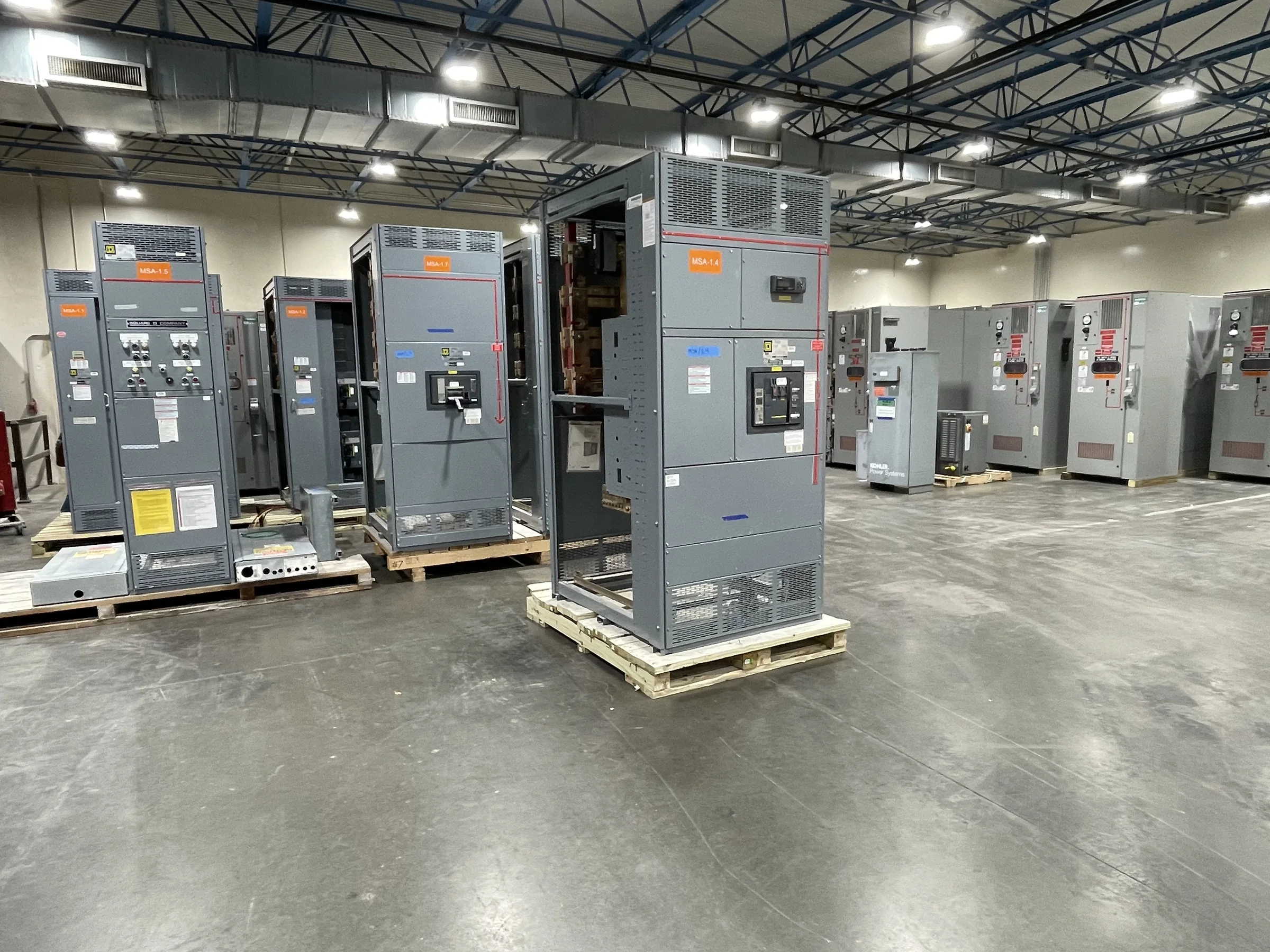
Define the Alvin Project Before Selecting Equipment
An electrical switchgear package should begin with the distribution problem it must solve, not with a product name alone. For an Alvin facility, document the utility service, available fault-current information, operating voltage, phase, frequency, load profile, and the equipment being served. Note whether the work supports a new building, an expansion, a replacement, or a change in process. These details help the manufacturer evaluate the required arrangement and identify questions that could affect layout or compatibility. Existing drawings may not reflect later field changes, so confirm actual conditions with the project engineer and site team. Clear inputs reduce the risk of specifying an assembly that cannot connect to the intended system or fit the electrical room. Final ratings and design remain project-specific.
Coordinate Ratings, Protection, and System Interfaces
The switchgear must coordinate with the electrical system around it, including upstream protection, downstream devices, conductors, transformers, and any standby sources. Provide one-line diagrams, protective-device information, equipment schedules, and available short-circuit or coordination studies when requesting a quote. An engineer should verify whether the proposed interrupting ratings and protective-device settings suit the calculated conditions; they should not be assumed from an existing label or a similar installation. For a facility with generators or multiple sources, describe normal and alternate operating modes, interlocking needs, and transfer arrangements. These interfaces matter because a mechanically suitable lineup can still create a system coordination or connection problem. Manufacturer review can support equipment selection, but engineering responsibility, final settings, and code compliance must be established for the specific project.


Resolve Room Layout and Connection Details Early
Physical fit is an engineering requirement, not a late-stage convenience. Before finalizing a lineup, verify room dimensions, door and aisle clearances, ceiling height, floor conditions, cable-entry direction, and the route from the receiving point to the electrical room. In Alvin, a project may involve a constrained industrial site, an active production area, or a building addition; each can limit staging space and access for moving equipment. Confirm whether conductors enter from above or below and identify bus connections, conduit locations, and adjacent equipment that could affect the arrangement. Share architectural and electrical plans, plus field measurements where available. Early layout review can uncover conflicts before fabrication drawings are approved, helping avoid costly site changes, delayed installation, or an assembly that cannot be positioned as intended.
Build a Quote Around Scope, Options, and Timing
A useful quote request separates required performance from preferences. Identify the intended application, nominal system details, main and feeder requirements, protective-device preferences, metering or control needs, enclosure conditions, and any required accessories. Attach the latest drawings and list exclusions or unresolved design items so the manufacturer can clarify assumptions rather than price an incomplete scope. Discuss the project schedule early, including submittal review, approval, fabrication, site readiness, and the requested delivery window. Custom builds and short lead times may be available, but timing depends on the final design, component selection, approvals, and current availability; it is not guaranteed until confirmed for the order. Compare proposals on scope and documented exceptions, not price alone, since omitted components or assumptions can shift costs downstream.
Review Submittals, Standards, and Replacement Fit
Procurement and engineering teams should agree on the submittal package needed for review before releasing equipment for fabrication. Depending on the project, useful documents may include outline drawings, one-line diagrams, connection details, device schedules, nameplate information, and product data for specified components. Check that revisions match the contract documents and that open comments are resolved and recorded. For low-voltage switchboard assemblies, UL 891 may be relevant when the particular assembly is appropriately evaluated; it should not be treated as a blanket certification for medium- or high-voltage equipment. Replacement work also requires careful comparison of footprint, bus and cable interfaces, control wiring, and operating requirements. Similar dimensions do not establish compatibility. Confirm applicable standards, evaluation, ratings, and acceptance requirements for the exact equipment and jurisdiction.
Plan Delivery and Installation Around Alvin Site Conditions
Delivery planning should account for the actual receiving route, unloading method, staging area, weather exposure, and the equipment’s approved handling requirements. Alvin projects may be near active industrial operations or have limited access during construction, so coordinate truck access, delivery appointments, site contacts, and restrictions with the general contractor or facility team. Nationwide shipping can support projects in the area, but the ship-to location, freight arrangements, unloading responsibility, and delivery timing should be confirmed in the order documents. Before arrival, verify that the electrical room is ready, the route is clear, and the receiving team can inspect and protect the equipment. Installation and commissioning should follow approved drawings, manufacturer instructions, and applicable safety procedures; electrical work must be performed by qualified personnel with equipment de-energized when required.