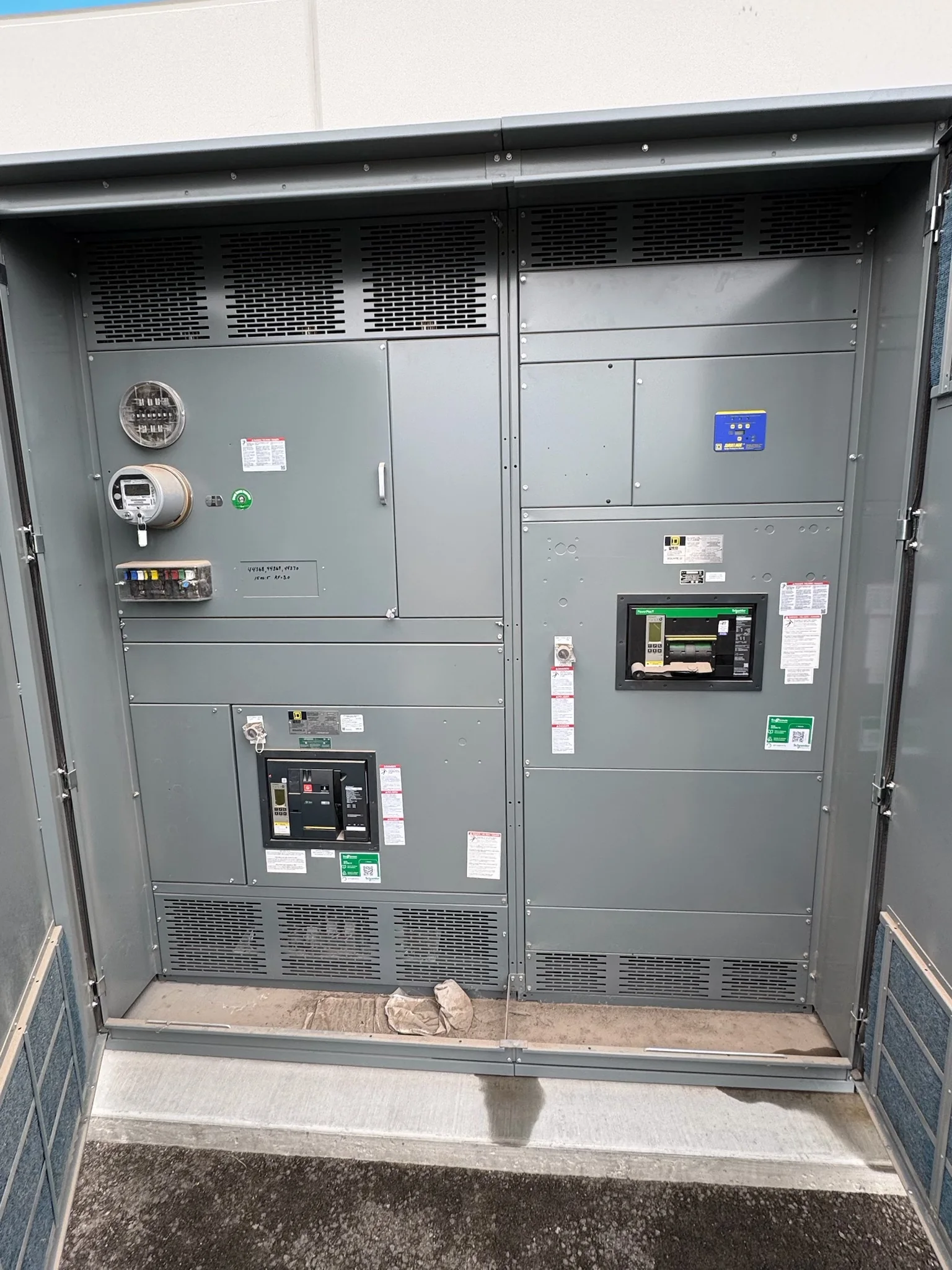
Start with the Distribution Problem in Humble
A switchgear package should begin with the electrical problem it must solve, not a catalog description. For a Humble facility, identify the serving utility and available service characteristics, the building’s existing distribution, planned loads, and whether the work is new construction, an expansion, or replacement. Those facts shape decisions about service entrance equipment, feeder arrangement, protective devices, and the interface with downstream panels or motor control equipment. A mismatch can lead to redesign, coordination conflicts, or an assembly that cannot be integrated as intended. Share one-line diagrams, load information, and existing equipment data with the manufacturer early. Final ratings, configuration, and compatibility depend on the project documents and engineering review; they should not be assumed from location or equipment name alone.
Resolve Ratings and Protection Before Release
Current and future demand both matter when setting equipment requirements. Confirm the system voltage, phases, frequency, available fault current, continuous load, and expected expansion with the responsible engineer and utility, as applicable. Protective-device selection and coordination should reflect the system study and the downstream equipment—not a generic assumption about facility type. For low-voltage switchboard assemblies, UL 891 may be relevant where the assembly is appropriately evaluated; it is not a blanket certification for medium- or high-voltage equipment, nor evidence that every offered build carries a label. The procurement specification should state required standards, ratings, construction, and documentation, while leaving any unverified capability open for confirmation. Resolving these points before fabrication helps avoid costly changes after equipment dimensions and connections have been coordinated.


Coordinate Replacement Work with the Existing Installation
Replacement planning is often constrained by what is already in the electrical room. Record the existing lineup’s manufacturer, model, nameplate data, bus arrangement, cable entry points, available working space, and connection details where accessible. Photographs and measured drawings can help identify obstructions, but they do not replace field verification by qualified personnel. Determine whether the project requires a complete lineup replacement, a specified retrofit, or equipment designed to interface with retained components; compatibility must be reviewed rather than presumed. The outage window also affects sequencing, temporary power planning, and the order in which equipment can be removed and installed. All work must be performed under an appropriate safety program, with equipment de-energized and verified before work. Clear scope definition limits field surprises and helps protect continuity of operations.
Make Humble Site Conditions Part of the Specification
Humble’s Gulf Coast setting makes environmental and access checks practical parts of equipment planning. Ask the site team to document the intended indoor or outdoor location, exposure to moisture or flooding, ambient conditions, ventilation, contamination concerns, and any corrosive atmosphere. These conditions can affect enclosure selection and equipment suitability, but the required construction must be confirmed for the actual site rather than inferred from the city. Also check the route from the receiving point to the electrical room: door openings, turns, floor loading, elevators, overhead clearance, and staging space can constrain how large sections are handled. A lineup that fits the electrical schedule may still be difficult to install if the delivery path is overlooked. Early site measurements let the design and logistics teams address access before shipment.
Compare Quotes on Scope, Not Just Price
A useful quotation lets procurement compare equivalent equipment and identify exclusions before award. Provide the requested quantities, electrical ratings, one-line diagram, equipment schedule, enclosure and access requirements, preferred components where applicable, and any project-specific submittal or inspection criteria. Ask the manufacturer to identify the proposed scope, assumptions, deviations, and items requiring engineering confirmation. American components and custom builds may be available, but component selection and configuration should be confirmed for each project rather than treated as automatic. Discuss timing early: drawing review, approval cycles, design changes, material availability, and manufacturing all influence the schedule, so no delivery period should be assumed until it is confirmed for the defined scope. A clear quote supports an apples-to-apples review and reduces the risk of discovering a major gap after purchase.
Plan Submittals, Freight, and Receiving Together
Delivery planning works best when it follows the approved equipment arrangement and the site’s installation sequence. Review submittal drawings for lineup dimensions, section order, entry locations, anchoring information, and connection interfaces before release; confirm any project-specific requirements with the responsible engineer. For delivery to Humble, coordinate the receiving date, carrier access, unloading responsibility, equipment handling resources, secure staging, and protection from weather. Nationwide shipping does not remove the need to verify the destination’s unloading capability or the route to final placement. Keep the project team informed of drawing approvals and schedule changes so contractors can align foundations, conduits, and outage planning with the equipment. Confirm shipping details and availability for the actual order; careful coordination reduces storage exposure, avoidable handling, and delays at the site.