Define the Application and Operating Conditions
Start the request for quotation (RFQ) with the electrical system the equipment must serve, not just a product name. Identify whether the project calls for a low-voltage switchboard or switchgear, or medium-voltage equipment, and describe the source, connected loads, and intended role in the distribution system. Include available system voltage, frequency, phases, and the required continuous-current and short-circuit ratings when established by the engineer. If those values are not yet finalized, state what remains under study rather than guessing; incorrect assumptions can make a quote unusable or create redesign work. Note indoor or outdoor installation, ambient conditions, altitude, contamination, and unusual duty such as frequent switching. The manufacturer needs these conditions to evaluate a suitable configuration; final ratings and applicability remain project-specific.
Describe Protection, Control, and System Interfaces
Explain how the equipment must coordinate with the existing or planned electrical system. Include available fault-current information, protective-device coordination requirements, grounding approach, metering needs, control power, and any specified relaying or communication interfaces. Attach one-line diagrams and relevant control schematics, and mark which documents are preliminary or approved for construction. If the RFQ calls for specific breaker types, trip functions, interlocks, or utility interfaces, identify the requirement and its source rather than assuming every manufacturer uses interchangeable arrangements. These details influence compartment layout, wiring, device selection, and integration testing. Provide equipment schedules and upstream and downstream device information where available. A quote based on incomplete coordination data should clearly identify assumptions and open engineering items, so procurement can compare proposals on a consistent technical basis.


Specify Construction, Standards, and Submittal Expectations
List the standards, project specifications, and owner requirements that apply, including any requested construction features, enclosure requirements, bus arrangements, labeling, and documentation. Identify required drawings, bill-of-material review, wiring diagrams, operation and maintenance information, and any project-specific inspection or testing expectations. Distinguish mandatory requirements from preferences or approved alternatives; unclear language can lead to avoidable exceptions or a mismatch during submittal review. For low-voltage switchboard assemblies, UL 891 may be relevant when the assembly is appropriately evaluated for that application. Do not treat it as a blanket certification for medium- or high-voltage equipment, or assume a particular assembly carries a label without confirmation. Ask the manufacturer to state applicable evaluation, compliance, and deviations in its proposal, with final suitability confirmed for the specified design.
Clarify Replacement, Retrofit, and Interface Conditions
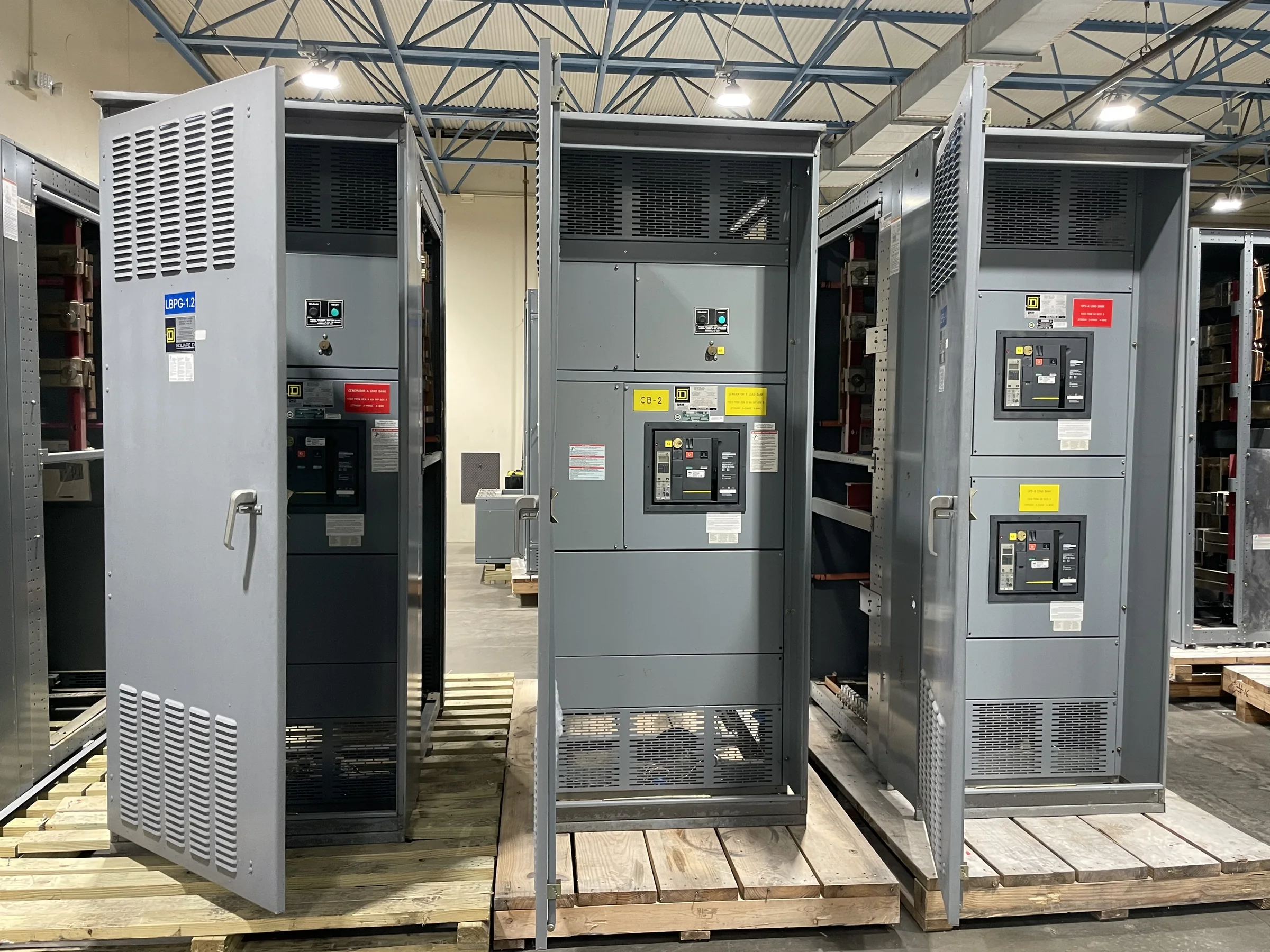
For replacement or retrofit work, provide the existing equipment nameplate information, manufacturer and model where known, age if available, and clear photographs of the lineup, connections, labels, and surrounding space. Include existing drawings, cable and bus connection details, conduit entry locations, and the dimensions that govern removal and installation. A nominally similar replacement may not match the footprint, termination positions, access clearances, or interface with existing protection and controls. Identify what must remain in service, what will be replaced, and which boundaries another contractor or equipment supplier owns. State whether field verification is planned and who will provide it. These records help the manufacturer identify fit and integration questions early; they do not establish compatibility until the actual equipment and site conditions are reviewed.
Set Commercial Milestones and Delivery Requirements
Give the manufacturer the procurement context needed to quote a realistic project plan: requested proposal date, anticipated purchase-order timing, required submittal milestones, and the date equipment must be ready for the project. Ask for current estimated production and shipping timing, and have the proposal state its assumptions and any schedule dependencies; do not treat a requested date as a guaranteed delivery commitment. Identify whether phased releases, partial shipments, or coordinated delivery with other electrical equipment are needed. Specify the destination, receiving hours, unloading arrangements, site contact process, and any restrictions on truck size or access. For facilities with limited laydown space or a narrow outage window, explain those constraints at RFQ stage. Clear logistics matter because a completed lineup can still disrupt work if the site cannot receive or handle it.
Build a Comparable Quote Package and Review Exceptions
Send one organized package with the scope narrative, one-line diagram, equipment schedule, applicable specifications, site and interface information, and a list of required proposal deliverables. Ask bidders to identify proposed equipment, included scope, exclusions, technical deviations, assumptions, options, and information still needed for final engineering. Request a clear breakdown of equipment, services, freight, and any separately priced alternates so procurement can compare like with like. When the manufacturer offers custom builds, American components, short lead times, or nationwide shipping, treat these as options to discuss and confirm for the specific project—not universal guarantees. Review exceptions with engineering before award, especially where ratings, protection, dimensions, standards, or delivery terms differ. A disciplined comparison catches gaps early and gives the selected manufacturer a sound basis for submittals and production.