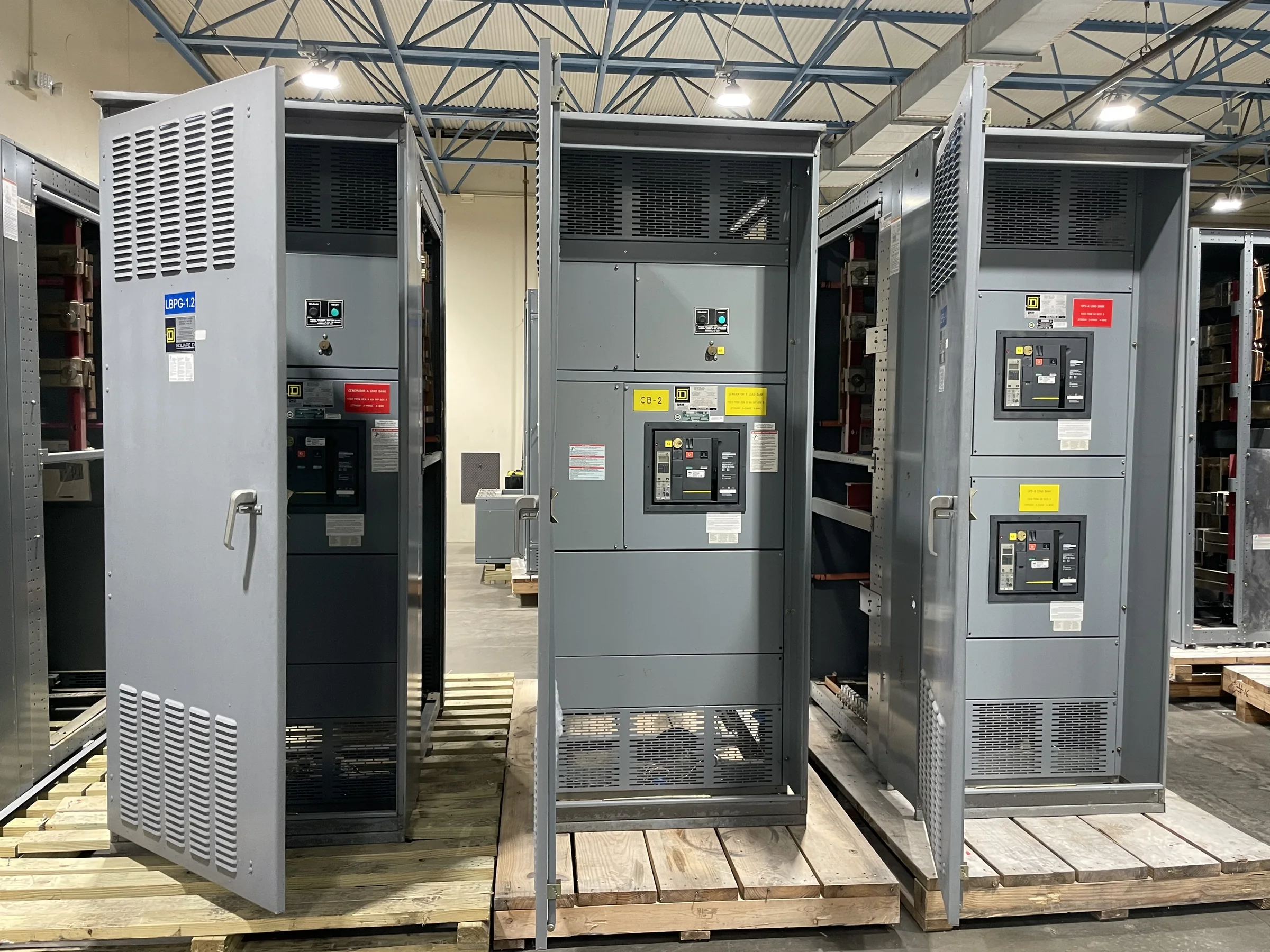
Start With the Plant’s Electrical Operating Picture
A manufacturing plant’s low-voltage distribution design has to reflect how production actually runs, not just the facility’s nameplate load. Document the incoming service, existing switchgear and transformer information, major process loads, motor-starting demands, and any planned equipment additions. Distinguish normal operation from conditions such as simultaneous line starts, seasonal loads, or production shifts that change demand. This information helps the project team evaluate bus and feeder requirements, protective-device coordination, available fault current, and space for future circuits. It also identifies whether a replacement must preserve an existing distribution arrangement or support a broader electrical upgrade. Share current one-lines and field observations with the manufacturer early; missing or outdated data can affect equipment selection, interfaces, and schedule. Final ratings and configuration require project-specific engineering review.
Coordinate Equipment With Production and Maintenance Needs
The right lineup depends on which loads need to remain available and how operators and maintenance staff will interact with the equipment. Map critical production areas, utilities, controls, and support systems to their feeders, then identify the operational consequences of an outage or transfer. This is especially important when a common bus serves several processes: an apparently minor change to feeder grouping can affect shutdown planning or fault isolation. Discuss access for inspection, working clearances, cable termination space, and how devices will be identified in the field. These considerations can shape compartment arrangement, metering, protective-device choices, and provisions for future circuits, subject to engineering review and applicable requirements. Provide plant standards and operating preferences during quotation so the proposed assembly addresses real workflows rather than assumptions.


Resolve Existing-System Interfaces Before Ordering
Replacement work often turns on details that are easy to miss in an old drawing set. Verify actual room dimensions, door and aisle constraints, wall openings, cable entry locations, conduit routes, overhead obstructions, and the condition of the existing foundation or housekeeping pad. Record equipment nameplates and connection details where safely accessible, and compare them with current one-lines and panel schedules. Differences between documents and field conditions can require transition sections, revised cable routing, changes to bus connections, or a different installation sequence. Confirm the incoming and outgoing conductor arrangements and identify any interfaces with transformers, generators, transfer equipment, or downstream distribution. Do not assume new gear will match an existing footprint or connect directly. The project team must validate compatibility, installation details, and outage requirements before release.
Build the Specification Around Verifiable Requirements
A useful request for quotation gives the manufacturer enough information to propose equipment without treating unknowns as settled facts. Include system voltage, service and distribution arrangement, available fault-current information, load and feeder schedules, protective-device requirements, metering needs, environmental conditions, and any owner or engineer standards. Attach the latest one-line diagram, control requirements, and relevant equipment schedules; mark uncertain or field-verified items clearly. Ask which assumptions affect the proposed design, what project documents will be prepared for review, and which items remain subject to engineering confirmation. If UL 891 is required, specify the applicable low-voltage switchboard assembly evaluation and labeling expectations for the project; the designation is not a blanket certification for every product or voltage class. Resolve exceptions and interfaces before approval to reduce avoidable redesign.
Plan Lead Time Around Approvals and Plant Access
A short equipment lead time is useful only when the full project sequence supports it. Establish target dates for drawing review, approval, release of required technical information, site readiness, installation, and the outage window, then ask the manufacturer to discuss timing against the actual scope and current availability. Custom configurations, unresolved field dimensions, late protective-device decisions, or changes after drawing approval can affect the schedule. Manufacturing facilities may also restrict deliveries to specific shifts, require advance notice, or limit access for large trucks and lifting equipment. Coordinate the receiving route, unloading responsibility, storage conditions, and protection from moisture, dust, and impact before shipment. Treat timing as project-specific rather than guaranteed, and keep the plant’s electrical contractor, operations lead, engineering representative, and procurement team aligned on decisions that could delay release.
Coordinate Delivery, Installation, and Closeout Records
Nationwide shipping makes advance logistics important, particularly when the plant has limited laydown space or delivery access near active production areas. Confirm shipment dimensions and handling information when available, the receiving contact, truck access, unloading equipment, inspection process, and the destination for each section of the lineup. Protect equipment during staging and coordinate installation with the site’s safety rules and outage plan. Electrical work must be performed by qualified personnel under applicable procedures, with equipment de-energized and absence of voltage verified before work begins. Before turnover, reconcile final equipment identification, approved drawings, device information, connection records, and any agreed project documentation. These records help maintenance teams understand what was installed and support future troubleshooting or expansion. Confirm documentation expectations and delivery responsibilities in the purchase scope rather than assuming they are identical across projects.