Define the Refinery Loads and Operating Priorities
Refinery low-voltage distribution may serve process pumps, compressors, cooling equipment, heaters, analyzers, lighting, and control-system auxiliaries, but these loads do not share the same consequences if power is lost. Start the equipment schedule by identifying voltage, phase, frequency, full-load and starting characteristics, duty cycle, and whether each load is essential, standby, or eligible for interruption. Coordinate motor data and protective-device requirements with the electrical engineer and process team; a starter or feeder selected without the actual operating profile can create nuisance trips or inadequate protection. Identify future loads and planned expansions separately from present demand. These inputs shape the assembly arrangement and purchasing scope, while final ratings, fault-duty capability, and protection settings must be confirmed for the specific system.
Account for Hazardous Areas and Refinery Conditions
A switchgear lineup is generally located in an electrical room or substation, while the process equipment it supplies may be in classified areas. Confirm the room location, area classification boundaries, ingress protection needs, ambient temperature, humidity, corrosive chemicals, airborne contaminants, and any washdown or dust exposure with the project team. These conditions influence enclosure selection, ventilation, materials, and maintenance access; they should not be inferred from the refinery name or a general site description. Ask for applicable project specifications and environmental data, including any special requirements for coatings or internal space heaters. If the equipment room is near vibrating machinery or exposed to flooding risk, document that condition early. A mismatch between site conditions and equipment construction can shorten service life or complicate acceptance.


Coordinate Protection, Fault Duty, and System Interfaces
Low-voltage switchgear must fit the electrical system it serves, not merely match a nominal voltage. Provide the latest one-line diagram, available fault-current study, transformer information, grounding method, and upstream and downstream protective-device data for engineering review. These details affect bus and interrupting ratings, selective coordination, and equipment interfaces; assumptions can undermine protection or delay approval. Identify whether utility, generator, or multiple-source operation is planned, and clarify transfer schemes and interlocks in the project documents. Where process continuity depends on selective tripping, request coordination review against the defined operating cases rather than treating selectivity as an automatic feature. Final equipment suitability and settings depend on the evaluated design, verified system data, and applicable project requirements.
Resolve Layout, Access, and Future Maintenance
Refinery electrical rooms often have fixed door openings, overhead obstructions, cable trenches, and neighboring equipment that constrain lineup dimensions and installation. Share dimensioned room plans, equipment elevations, cable entry direction, conduit or busway connection points, and required working clearances before approving a configuration. Confirm that doors, removable sections, and maintenance components can be handled along the actual route from receiving area to final location. This matters because a lineup that fits on a drawing may still be impossible to move or service safely once installed. Discuss front or rear access, incoming and outgoing cable space, lifting provisions, and spare feeder positions with engineering and operations. Preserve room for future changes where the project calls for them, without assuming unused capacity is included.
Build the Submittal Package Around Project Review
Procurement can reduce avoidable revisions by issuing a complete request for quotation package: equipment schedules, one-line diagrams, load data, fault-current information, control schematics, site conditions, and the owner’s technical specifications. Identify required communications, metering, protective functions, labeling, and interfaces with plant control or monitoring systems, while distinguishing mandatory requirements from preferences. Ask the U.S. manufacturer to identify deviations and confirm which drawings, bills of material, and technical documents are included for review. UL 891 applies to appropriately evaluated low-voltage switchboard assemblies; it is not a blanket claim for every switchgear configuration or for medium- and high-voltage equipment. Confirm the requested construction, evaluation, and documentation for the exact assembly. Clear review responsibilities and approval milestones help keep engineering and purchasing aligned.
Plan Manufacturing, Shipment, and Site Readiness
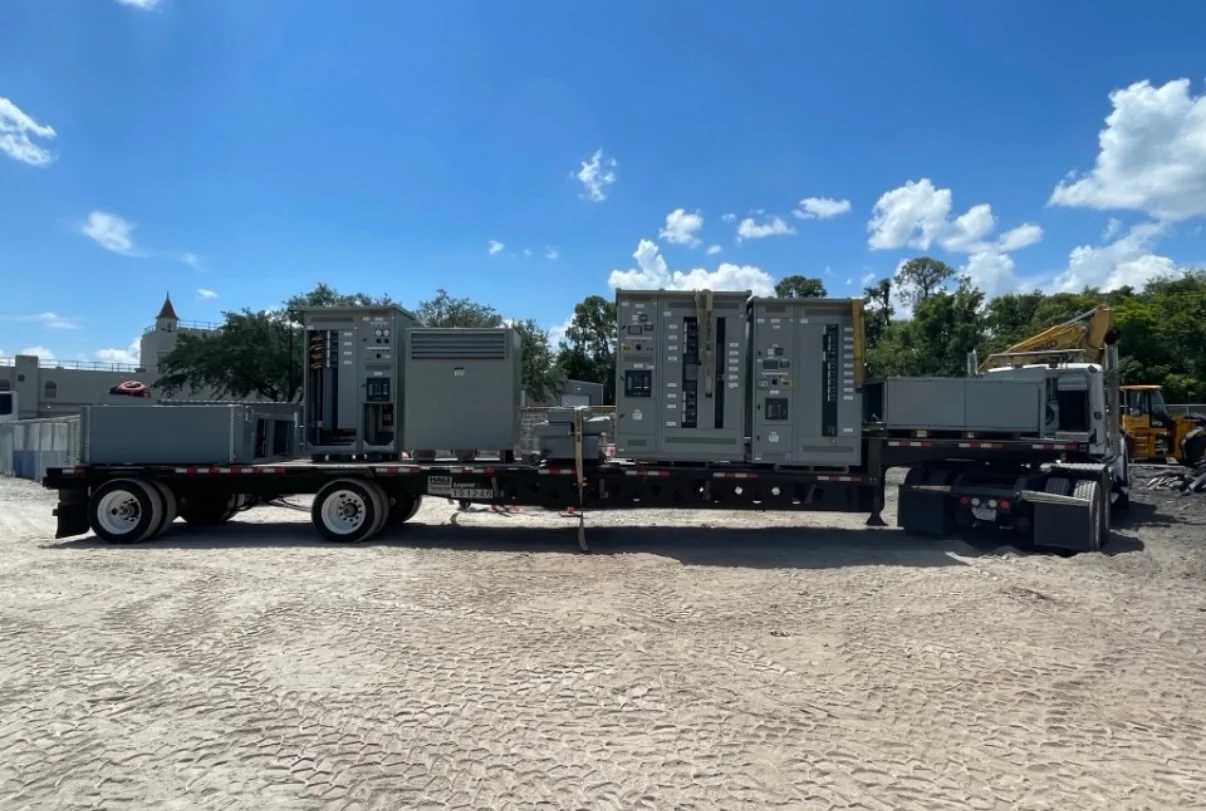
Discuss schedule expectations early, because custom construction, component selection, drawing review, and approval timing all affect when an order can proceed. Request a project-specific schedule rather than relying on a general short-lead-time statement, and identify decision dates for submittals, approved drawings, and any owner-furnished interfaces. For nationwide delivery to a refinery, coordinate the shipping destination, receiving hours, unloading equipment, access restrictions, and whether the lineup must arrive in sections or as a complete assembly. Confirm packaging and handling requirements against the route, laydown area, and installation plan. Before shipment, align the receiving team on inspection, storage conditions, and documentation. Site readiness matters: blocked access, unfinished foundations, or unavailable rigging can expose equipment to damage and disrupt installation even when manufacturing is complete.