Start With the Campus Load Picture
University distribution projects often serve a mix of residence halls, research spaces, classrooms, dining facilities, and central utility plants, each with a different load profile and consequence of interruption. Before requesting a low-voltage switchboard, assemble available one-line diagrams, load schedules, transformer information, and records of planned building additions. Ask the design team to distinguish existing demand from forecast loads, identify large motor or laboratory loads, and document normal and alternate sources. That baseline helps engineers evaluate bus capacity, service arrangement, protective devices, and future provisions without assuming every building needs the same configuration. It also reduces late revisions caused by omitted loads or unclear source boundaries. Final ratings and equipment suitability depend on the project’s engineering review and applicable requirements.
Coordinate Continuity, Protection, and Operations
A campus may have spaces where an outage has very different consequences: a residence floor, a data room, a research freezer, or a building serving public events. Define which loads require alternate power, how the transfer or tie arrangement is intended to operate, and which devices must coordinate with upstream and downstream protection. Share the electrical study criteria and the latest available protective-device data with the switchgear team; incomplete breaker information can complicate coordination and produce avoidable submittal changes. Confirm whether operations staff need metering, status indication, remote interfaces, or clear provisions for future monitoring. These choices affect the lineup and control scheme, not just the device schedule. The engineer of record must determine the final protection design and verify system performance.


Check Room Fit and Maintainability
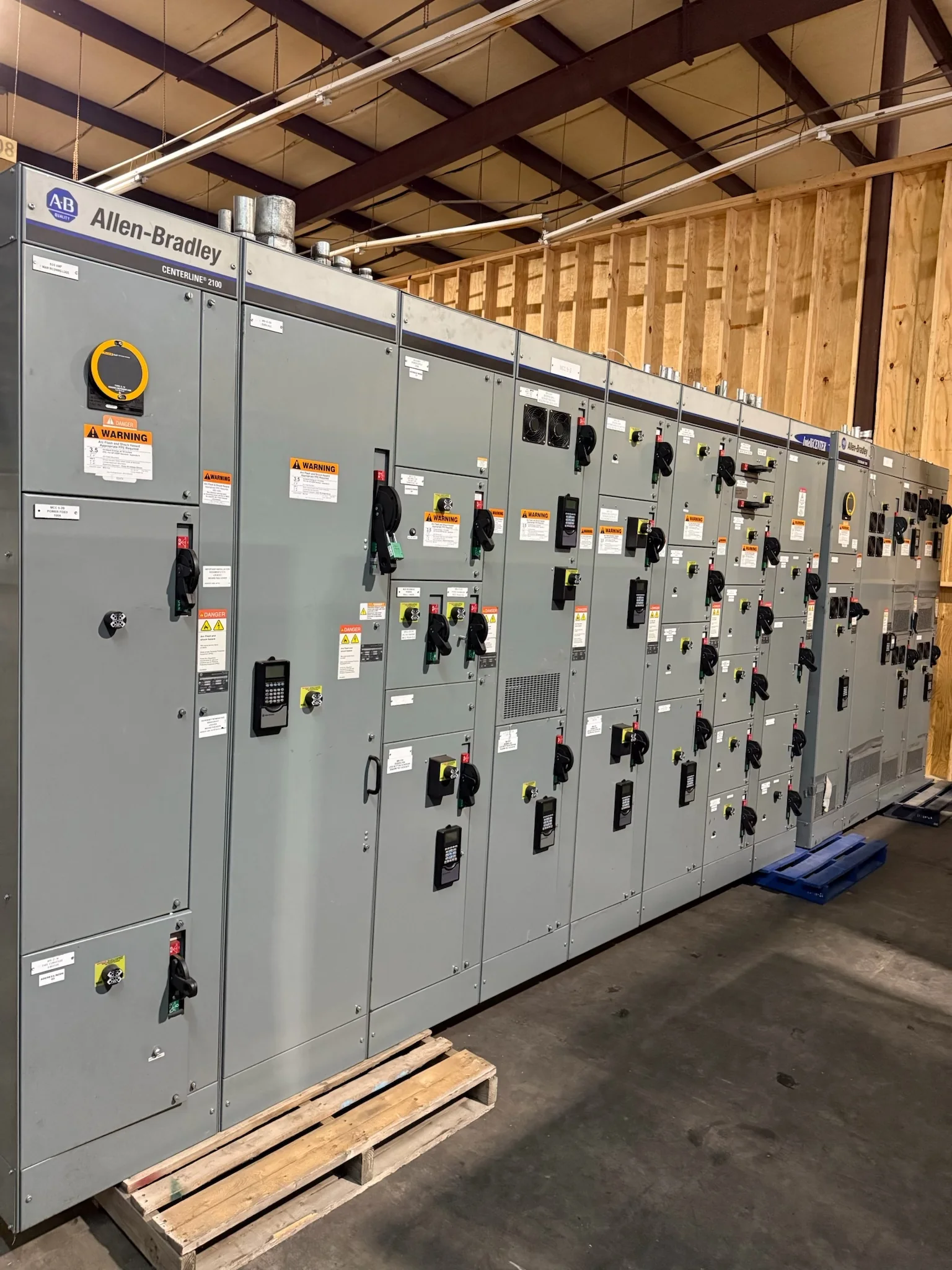
Existing campus electrical rooms can constrain a replacement as much as the electrical design does. Verify room dimensions, door and corridor clearances, floor openings, overhead services, ventilation, and the route from the receiving point to the final location. Record the existing lineup’s orientation, cable entry and exit conditions, working space, and any nearby piping or building equipment. A switchboard that fits on a drawing may still be difficult to move through a narrow service corridor or position around structural columns. Review access for inspection and maintenance, including door swing and space to operate devices, with facilities staff before design is finalized. Provide accurate site measurements and photographs with the request for quote; field verification remains necessary where existing conditions are uncertain.
Make Submittals Useful for Review
A complete procurement package gives the manufacturer and project team a common basis for evaluating the proposed assembly. Include the one-line diagram, equipment schedule, system voltage and available fault information, specified standards, enclosure and access requirements, metering needs, and control or communication points. Identify whether the project is new construction, a replacement, or work that must interface with existing distribution equipment. For a low-voltage switchboard, UL 891 may be relevant when the assembly is appropriately evaluated to that standard; it is not a blanket certification for all equipment or project conditions. Request drawings and product data for review, then track comments against a current revision. Clear document ownership and timely decisions help prevent conflicting schedules, connection details, and device selections from reaching fabrication.
Plan Timing Around Campus Work
University projects often have narrow work windows shaped by academic calendars, occupancy, research activity, and contractor access. When requesting a quote, share the required on-site date, approval milestones, shutdown restrictions, and any dependencies such as completed room renovations or utility coordination. Ask for current production and shipping expectations for the specific configuration rather than relying on a generic lead-time assumption. Custom features, component selection, drawing review, and unresolved technical questions can affect the schedule, so establish who will answer submittal comments and approve changes. Build time into the project plan for receiving inspection, setting, terminations, testing, and commissioning by qualified project personnel. No delivery date alone confirms that the equipment can be installed or energized on the campus’s intended schedule.
Coordinate Delivery, Replacement, and Closeout
Nationwide shipment can support university projects across the United States, but delivery planning should account for the actual campus receiving process. Confirm truck access, unloading responsibility, dock or laydown availability, lifting requirements, delivery appointment rules, and the route to the electrical room before equipment ships. For a replacement, document existing connections and interfaces, identify the planned outage sequence, and coordinate removal and installation with facilities operations and the project engineer. Work on electrical equipment must be performed under the project’s safety procedures, with required de-energization and verification before work begins. Before closeout, align approved drawings, device information, labeling, test documentation, and operating instructions with the installed configuration. Discussing these details with a U.S. manufacturer early helps expose site and documentation gaps while there is still time to address them.