Define the Distribution Need Before Selecting an Assembly
For a Cypress facility, begin with the electrical loads and operating conditions the switchgear must serve, rather than a preferred frame size or a catalog description. Identify the source configuration, system voltage, available fault current, feeder quantities, load types, and any planned expansion; these details influence the assembly layout and the protective devices that can be considered. A distribution system serving process equipment, HVAC, pumps, or commercial tenant loads may have different continuity and metering needs even when the nominal voltage is similar. Provide one-line diagrams and load information for engineering review, and flag known changes to the service or connected equipment. This early review helps prevent a quote based on incomplete assumptions. Final ratings, device selections, and compatibility depend on project conditions and engineering validation.
Coordinate Ratings, Protection, and Existing Equipment
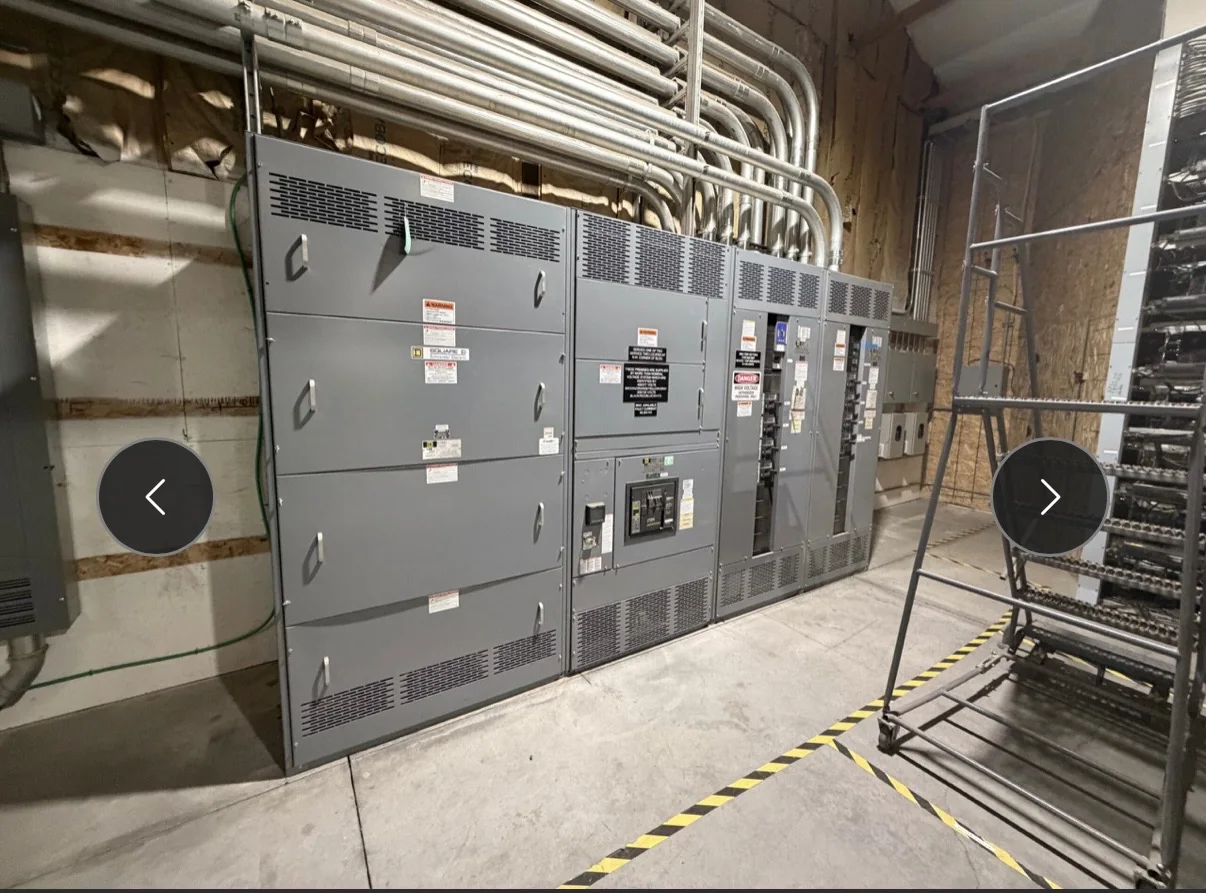
Interrupting ratings, bus ratings, protective-device coordination, and the characteristics of upstream and downstream equipment need to be evaluated together. A switchboard that appears suitable by voltage and ampacity alone may not meet the available fault-current requirements or the facility’s coordination objectives. If the work replaces an existing lineup, document the installed equipment’s manufacturer, model, ratings, connection arrangement, and any known limitations; photographs and nameplate information can help clarify what is actually in the field. For additions, confirm how the new assembly interfaces with the existing service, feeders, grounding, and protection scheme. These checks matter because electrical compatibility cannot be established from enclosure dimensions alone. Requirements for evaluation, labeling, and applicable standards are specific to the equipment and project; UL 891 applies to appropriately evaluated low-voltage switchboard assemblies, not automatically to every product.


Plan the Lineup Around Cypress Site Conditions
The equipment room and route from receiving point to final position can shape the design as much as the electrical schedule. Confirm room dimensions, available working space, door swings, floor and housekeeping-pad conditions, ceiling height, and the path through exterior gates, corridors, or loading areas. In Cypress, summer heat, humidity, and severe-weather exposure can make the distinction between indoor and outdoor placement especially important; enclosure construction, ventilation, and installation location should be reviewed against the actual environment. For projects near active operations, note access restrictions, dust-sensitive areas, and the need to keep adjacent equipment available during construction. A measured site plan and clear installation assumptions help identify handling or layout conflicts before fabrication. Environmental suitability and clearance requirements must be verified for the specific assembly and installation.
Build a Quote Package Procurement Can Compare
A useful request for quotation gives the manufacturer enough detail to distinguish firm requirements from open design questions. Include the latest one-line diagram, electrical schedules, specifications, fault-current information when available, control or metering requirements, preferred manufacturers if applicable, and the requested scope boundary. State whether the quote should cover the assembly alone or also include engineering documents, accessories, or delivery coordination; do not assume these items are interchangeable between proposals. Procurement teams should also identify approval milestones, required submittals, commercial terms, and the date equipment is needed at the site, while recognizing that timing depends on the final design and component availability. Clear inputs reduce avoidable clarification cycles and make competing offers easier to evaluate. A U.S. manufacturer can discuss custom-built equipment and American components, subject to the project’s selections and availability.
Review Submittals and Resolve Changes Early
Before release for production, the responsible project team should compare the submitted drawings and schedules against the purchase requirements and current field conditions. Check the lineup dimensions, access and cable-entry assumptions, device and metering arrangement, nameplate information, connection points, and any interfaces with control or building systems. Assign review responsibility to people who understand both the electrical design and the installation, since an unnoticed drawing discrepancy can become a costly site adjustment. If a contractor or engineer requests a revision, document the change and obtain confirmation of its effect on scope, cost, schedule, and previously approved details. This disciplined review is particularly valuable when replacement work must fit a constrained room or when other trades depend on equipment dimensions. Approved submittals support coordination, but do not replace field verification or required engineering review.
Coordinate Delivery, Installation, and Commissioning
Delivery planning should reflect the actual Cypress site, not just the shipping destination on a purchase order. Confirm receiving hours, unloading responsibility, truck access, staging space, weather protection, and the route to the electrical room; a lineup may require handling arrangements that a standard pallet delivery does not address. Align the delivery window with construction readiness and the contractor’s installation plan, and verify who will inspect the shipment and report damage or shortages. For replacement projects, schedule the work around the facility’s approved outage plan and required de-energized procedures; continuity concerns should be addressed through project planning, not by treating energized work as routine. Before energization, qualified personnel should complete applicable installation checks, testing, and commissioning under project requirements. Nationwide shipping is available, while delivery timing and handling details remain specific to the order and destination.