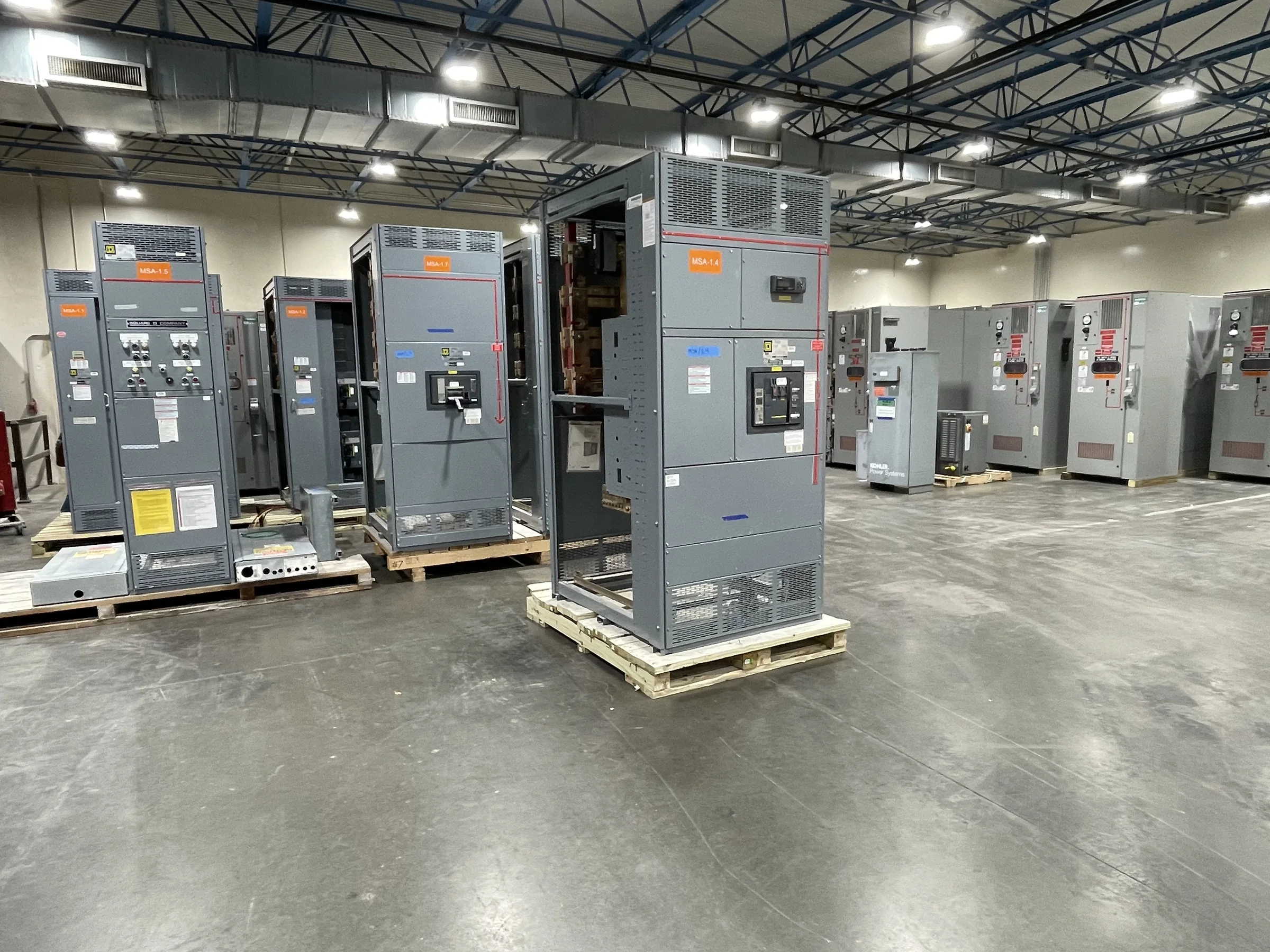
Define the Distribution Duty Before Selecting Equipment
For a Freeport facility, start with the electrical duty the switchgear must perform, not a catalog label. Identify the system voltage, phase, frequency, available fault current, main and feeder requirements, and whether the lineup serves process loads, utilities, or building distribution. Load schedules and one-line diagrams help distinguish continuous demand from intermittent or future loads; that distinction can affect bus and feeder planning. Engineers should also confirm grounding method, source configuration, and any tie or transfer arrangements. These inputs allow a U.S. manufacturer to develop a project-specific configuration rather than assume a standard lineup will fit. Ratings, construction, and applicable standards depend on the equipment and its evaluation. Confirm the final selection against the site’s electrical study and project requirements.
Plan for Gulf Coast Heat, Humidity, and Corrosion Exposure
Freeport’s coastal industrial setting makes environmental review an important part of the specification. Heat, humidity, salt-bearing air, airborne process contaminants, and washdown practices can affect enclosure selection, ventilation, materials, and maintenance expectations. Describe the actual installation environment, including whether the lineup will be indoors, in a conditioned electrical room, or exposed to outdoor conditions. Note nearby chemical processes and any limits on access for cleaning or inspection. These details help the manufacturer and engineer assess suitable construction without assuming a particular enclosure or coating is adequate. Also verify room temperature assumptions and heat-dissipation needs with the design team. Environmental suitability is project-specific; selecting equipment for the wrong exposure can accelerate deterioration or complicate service well before the planned replacement cycle.


Resolve Room Layout and Access Before Releasing Drawings
A switchgear lineup can meet electrical requirements and still create a costly installation problem if the room is too tight. For a Freeport project, compare proposed dimensions and access clearances with the room plan, door openings, overhead obstructions, cable routes, and the equipment’s intended placement. Confirm working space and egress requirements with the responsible design professionals and applicable authorities. Document cable entry direction, conductor space, floor openings, and any restrictions on moving sections into the building. If existing equipment must remain in service during construction, map the planned outage boundary and temporary distribution needs early. These checks matter because late changes to lineup arrangement or cable approach may require drawing revisions, structural coordination, or a different installation sequence.
Coordinate Specifications, Drawings, and Approval Milestones
A clear procurement package reduces back-and-forth and makes review more useful. Provide the current one-line diagram, panel or feeder schedule, fault-current information, sequence of operation, room layout, and project specifications, noting which documents are preliminary. Identify required metering, protective devices, control interfaces, communications, labeling, and spare provisions where applicable. Ask for a proposed equipment arrangement and submittal information suited to the project’s review process; do not treat preliminary drawings as approved for construction. The owner, engineer, and manufacturer should resolve deviations, interface responsibilities, and document revisions before fabrication authorization. This discipline is especially valuable in operating industrial facilities, where switchgear may connect with controls or systems from multiple vendors and a missed interface can delay commissioning.
Discuss Timing and Delivery Around Freeport Site Logistics
Schedule discussions should begin with the project’s required in-service date and the information still needed to release a build. Custom configuration, component selection, engineering review, drawing approval, and changes can all affect the schedule, so request a project-specific estimate rather than assume a standard lead time. For delivery to Freeport, confirm the receiving address, truck access, unloading equipment, delivery-hour restrictions, laydown area, and whether the route into the electrical room can accommodate each section. Coordinate shipment with construction readiness and storage conditions; prolonged exposure to moisture, dust, or corrosive air may be unsuitable for electrical equipment. Nationwide shipping is available as an offering, but route, handling, packaging, and delivery timing should be confirmed for the specific order.
Verify Compliance, Testing, and Commissioning Responsibilities
Before purchase, align the equipment specification with the governing project documents and the authority having jurisdiction. UL 891 applies to appropriately evaluated low-voltage switchboard assemblies; it is not a blanket certification for every low-voltage product or for medium- and high-voltage equipment. Confirm the exact assembly, labeling expectations, and required documentation for the selected design rather than infer coverage from a product description. Establish who will review settings, provide coordination studies, inspect installation, and perform commissioning tests. Verify compatibility with connected conductors, protective devices, and control systems using approved project information. Installation, inspection, and maintenance must follow the equipment instructions and applicable safety procedures; electrical work should be performed by qualified personnel with equipment de-energized when required. Define acceptance records before shipment so turnover is complete.