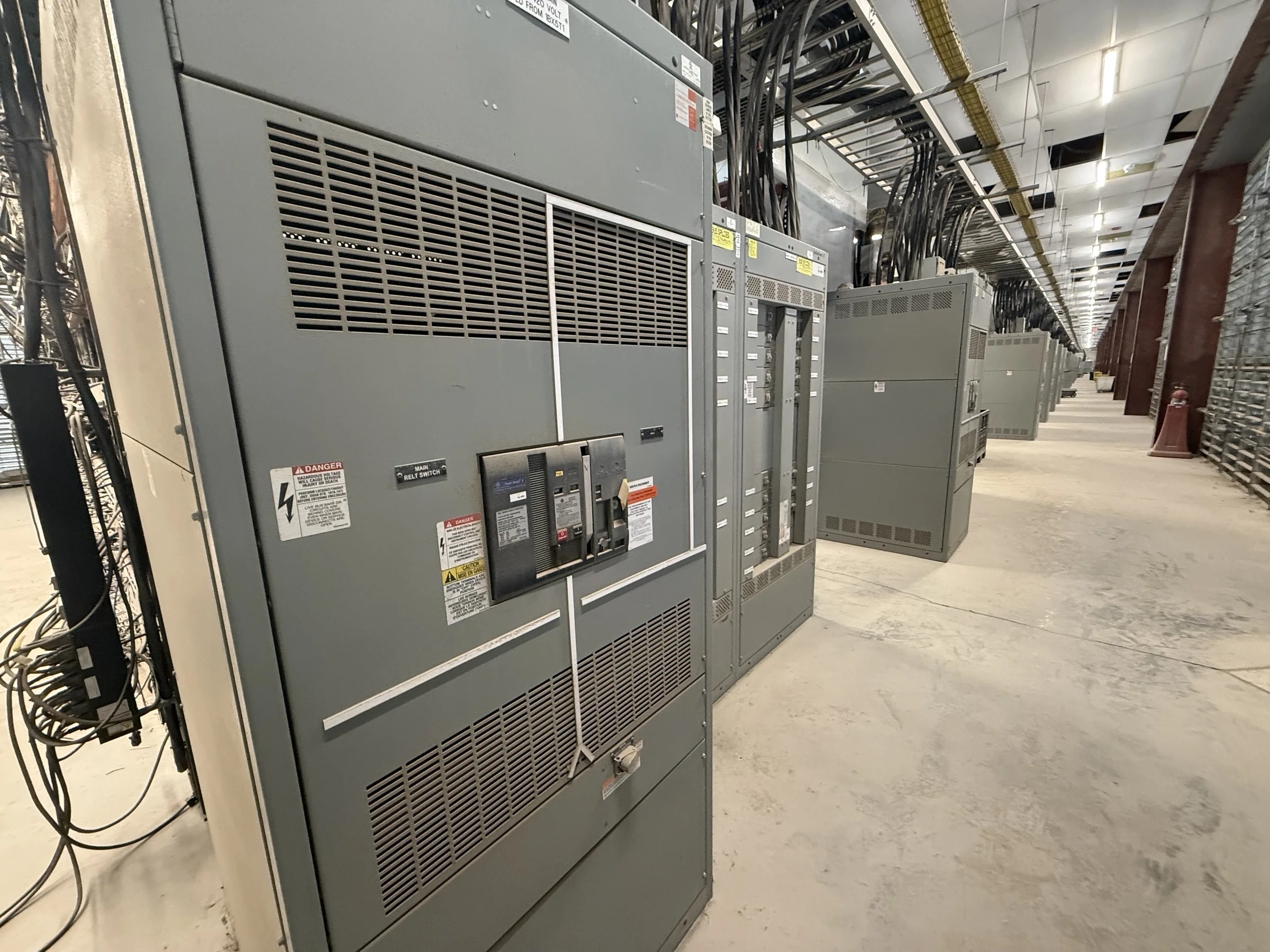
Made in the USA Starts With a Defined Project Scope
A domestic manufacturing source can make project communication more direct, but it does not replace a complete equipment scope. Begin with the one-line diagram, service voltage, available fault current, system grounding, main and feeder requirements, and the intended indoor or outdoor location. Identify whether the need is a new switchboard, a replacement assembly, or equipment coordinated with an existing lineup. These distinctions affect compartment arrangement, bus configuration, protective-device selection, and connection points. Share the governing project specifications and applicable utility requirements early, rather than relying on a general description such as “replacement gear.” The manufacturer and project engineer can then identify missing inputs before design review. Final ratings, construction details, standards, and any required evaluation or labeling must be confirmed for the specific assembly.
Translate Electrical Requirements Into a Reviewable Specification
A useful procurement specification connects electrical performance to the actual installation. State nominal voltage, phase and wire configuration, continuous-current needs, short-circuit requirements, enclosure environment, and any metering, control, or communications interfaces. Include coordination or arc-flash study requirements when they govern device selection or settings; do not assume a chosen breaker will satisfy studies that have not been completed. Clarify whether the equipment must match existing cable entry, bus arrangement, or future expansion plans. For low-voltage switchboards, UL 891 may be relevant to an appropriately evaluated assembly, but it should not be treated as a blanket certification for all switchgear or all voltage classes. Ask for the proposed construction and applicable documentation to be reviewed against the project specification before approval to build.


Plan Schedule Around Submittals, Decisions, and Release
“Short lead times” are most useful when the project team understands which decisions control the schedule. Confirm when the manufacturer needs approved drawings, final device selections, control details, and interface information to proceed. Establish who reviews submittals and how consolidated comments will be returned; scattered changes can trigger another review cycle and affect the planned production sequence. Procurement documents should separate the requested delivery date from any confirmed manufacturing commitment, since configuration, component availability, approvals, and project changes may affect timing. If utility coordination, protective-device studies, or field measurements remain open, list them as explicit action items with owners. Request schedule updates at agreed project milestones, and document approved deviations. No delivery period should be assumed until the specific configuration and order requirements have been reviewed.
Check Existing Conditions Before Ordering Replacement Equipment
Replacement work often turns on physical and electrical interfaces that are easy to overlook in an early budget request. Record the existing equipment dimensions, access clearances, cable locations, conductor sizes, termination orientation, bus connections, and available working space. Verify these conditions against drawings with field measurements, especially when prior modifications may not appear on the original documents. A new assembly may need a different footprint or transition arrangement, and the switchboard’s electrical suitability does not by itself establish that it will fit or connect to existing infrastructure. Identify shutdown windows and the sequence for removing old equipment, receiving the replacement, and completing inspection and testing. Resolve discrepancies between drawings and site conditions before release for manufacture; late discoveries can require redesign, added interface work, or a revised installation plan.
Coordinate Shipping With Access, Receiving, and Installation
Nationwide shipping can support projects across the United States, but delivery planning still depends on the destination and equipment configuration. Confirm the delivery point, receiving hours, unloading responsibility, staging space, route restrictions, and whether a liftgate, forklift, crane, or other site arrangement is required. Check door openings, corridors, ramps, floor capacity, and the path from the receiving area to the electrical room before setting a delivery date. Large assemblies may need to be transported in sections, so clarify shipment configuration and reassembly responsibilities in the project documents. Protect weather-sensitive equipment during temporary storage and coordinate delivery with the installation contractor’s readiness. These checks help prevent a shipment from arriving before the site can receive it or being unable to reach its planned installation location.
Build a Complete Procurement and Handover Record
A clear document package helps purchasing, engineering, construction, and operations work from the same approved basis. Request drawings showing lineup dimensions, elevations, bus and cable interfaces, device arrangement, and required clearances, along with equipment data and any project-specific schedules. Track revisions so that field teams can distinguish approved-for-construction documents from earlier review copies. Before award, document scope boundaries, exclusions, owner-furnished items, required submittals, shipping terms, and the process for handling changes. At turnover, collect final record drawings, device information, maintenance instructions, and the documentation required by the project specification. Confirm that commissioning, inspection, and acceptance responsibilities are assigned rather than assumed. A complete handover gives facility staff a usable reference for operation and future planning, while reducing uncertainty about what was actually supplied.