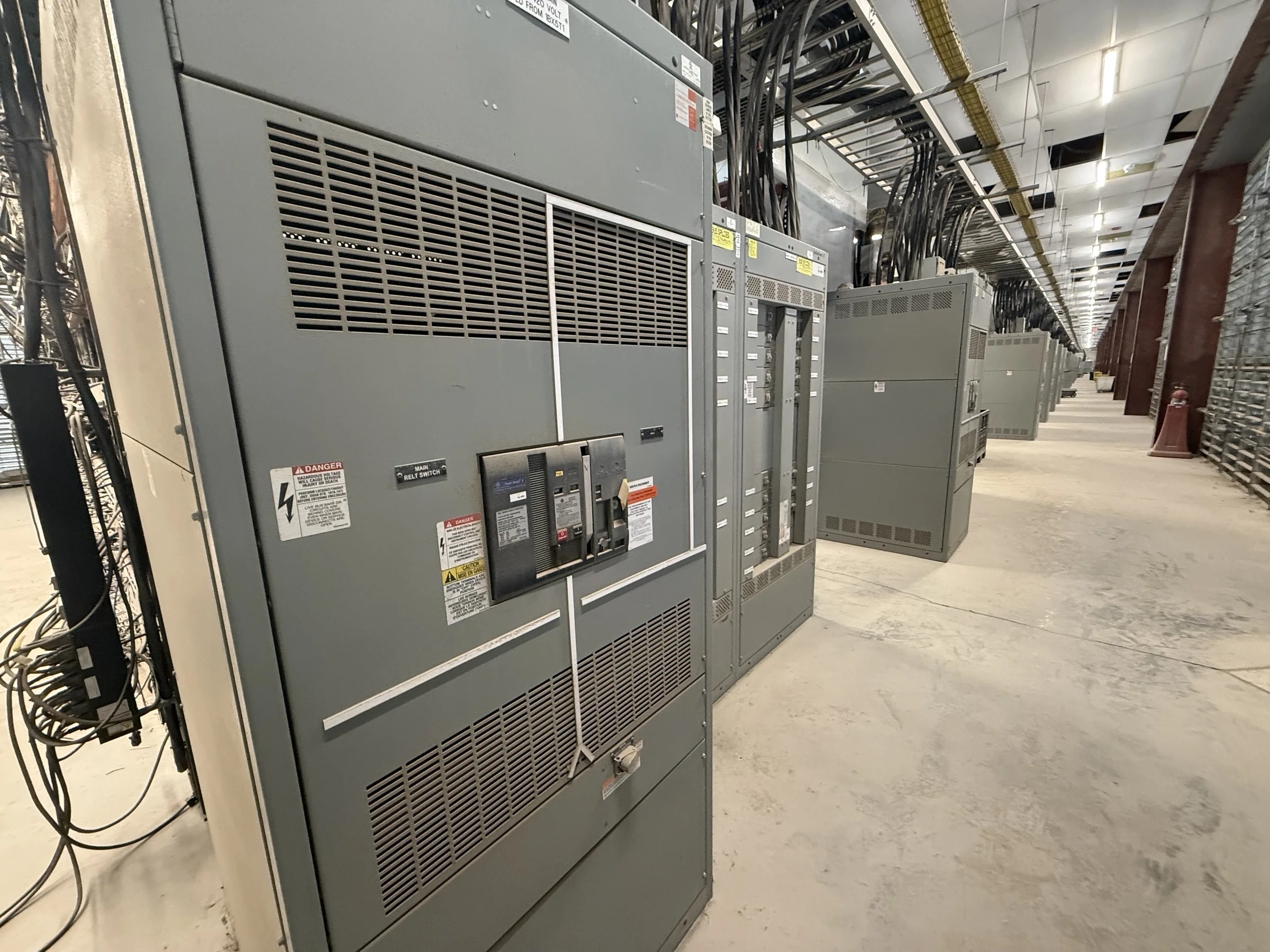
Plan for Campus Load Growth and Feeder Changes
University medium-voltage distribution must serve a changing mix of research buildings, residence halls, classrooms, central plants, and campus utility infrastructure. Before developing a switchgear specification, map existing feeders, normal operating arrangements, planned building connections, and expected load changes with the campus electrical engineer. This helps determine the lineup configuration, switching functions, protection requirements, and provisions that may be needed for future expansion. Research facilities can have sensitive or continuous processes, while residence and academic buildings may follow different occupancy patterns; those distinctions affect operating priorities. Confirm available system voltage, fault-duty information, grounding method, and applicable utility requirements from project records and responsible engineers. Treat ratings and configuration as project-specific, since assumptions based on another campus or building can create compatibility and coordination problems.
Coordinate Protection, Controls, and Campus Operations
Protection and control choices should reflect how the university actually operates its distribution system, not just the one-line diagram. Review relay functions, instrument-transformer requirements, trip and close circuits, interlocks, metering, alarms, and communications with the campus team responsible for electrical operations and supervisory systems. A mismatch in control voltage, protocol, point mapping, or operating sequence can complicate commissioning and leave operators without expected status information. Identify whether the equipment will serve a dedicated facility, a campus substation, or a tie between distribution sections, and document the intended normal and alternate states. Confirm selective coordination and protection settings through the project’s engineering process. Switching and maintenance procedures must be developed by qualified personnel, with equipment de-energized and verified safe before work; the manufacturer’s scope should not substitute for site-specific safety planning.


Specify the Installation Environment and Access
The room and route to the installation can constrain medium-voltage switchgear as much as the electrical design. Document indoor or outdoor placement, ambient conditions, elevation, moisture or dust exposure, ventilation, clearances, seismic criteria where applicable, and any project-specific environmental requirements. For an existing campus building, verify door and corridor dimensions, turning space, floor capacity, loading-dock access, and the path from unloading point to final position before approving a lineup arrangement. Limited access may affect shipping sections, handling equipment, assembly work, and outage planning. Provide current room plans and identify obstructions, cable trenches, overhead services, and the direction of cable entry. These checks help engineers and the manufacturer evaluate a buildable configuration early, rather than discovering that the specified equipment cannot be moved into or maintained within the assigned space.
Build a Complete Specification and Submittal Package
A useful procurement package gives bidders a consistent technical basis while clearly identifying open decisions. Include the one-line diagram, system voltage and available fault-current data, bus and feeder requirements, protective-device functions, control schematics, cable termination details, enclosure or room conditions, and applicable project standards. Attach the required operating sequence, communications and metering expectations, finish or identification requirements, and any interfaces with existing equipment. Ask the U.S. manufacturer to identify deviations, assumptions, exclusions, and information still needed to finalize the design. Review drawings and data sheets for connection points, dimensions, access, control power, and equipment interfaces before releasing the build for production. UL 891 applies to appropriately evaluated low-voltage switchboard assemblies; it is not a blanket certification for medium-voltage switchgear. Confirm applicable standards and evaluation requirements for the specific assembly.
Align Schedule With Outages, Construction, and Campus Use
A campus equipment schedule depends on more than the manufacturing window. Coordinate design review, approval of submittals, release of project information, construction readiness, shutdown authorization, and commissioning with the university’s academic calendar and facility operations. Summer breaks or other lower-occupancy periods may offer useful outage opportunities, but research programs, housing turnover, events, and utility constraints can limit those windows. Establish which existing circuits must remain available and whether temporary operating arrangements are acceptable; have qualified engineers determine safe, technically appropriate plans. Discuss current component availability and production timing with the manufacturer rather than relying on an assumed duration or an unverified promise. Track decisions that could affect the schedule, including revised drawings, interface questions, and site readiness. Early coordination gives procurement and facilities teams a clearer basis for managing risk without treating delivery dates as guaranteed.
Coordinate Shipping, Receiving, and Commissioning Records
Nationwide delivery is most useful when campus receiving and installation teams are prepared for the shipment. Confirm the delivery address and receiving hours, unloading equipment, site access restrictions, staging area, weather protection, and who will inspect and document the equipment on arrival. Large or sectional assemblies may require a planned route and coordinated handling; verify the shipping configuration and dimensions against the approved submittals and actual site conditions. Before energization, organize the final drawings, equipment data, approved settings, applicable test documentation, operating instructions, and records needed by campus facilities staff. Commissioning scope and acceptance criteria should be established by the project team and qualified service personnel, with required de-energized inspections and safety controls observed. Clear handoff records help operators maintain the installation and support future troubleshooting, expansion, and replacement planning.