Match the MCC to the Building’s Motor Loads
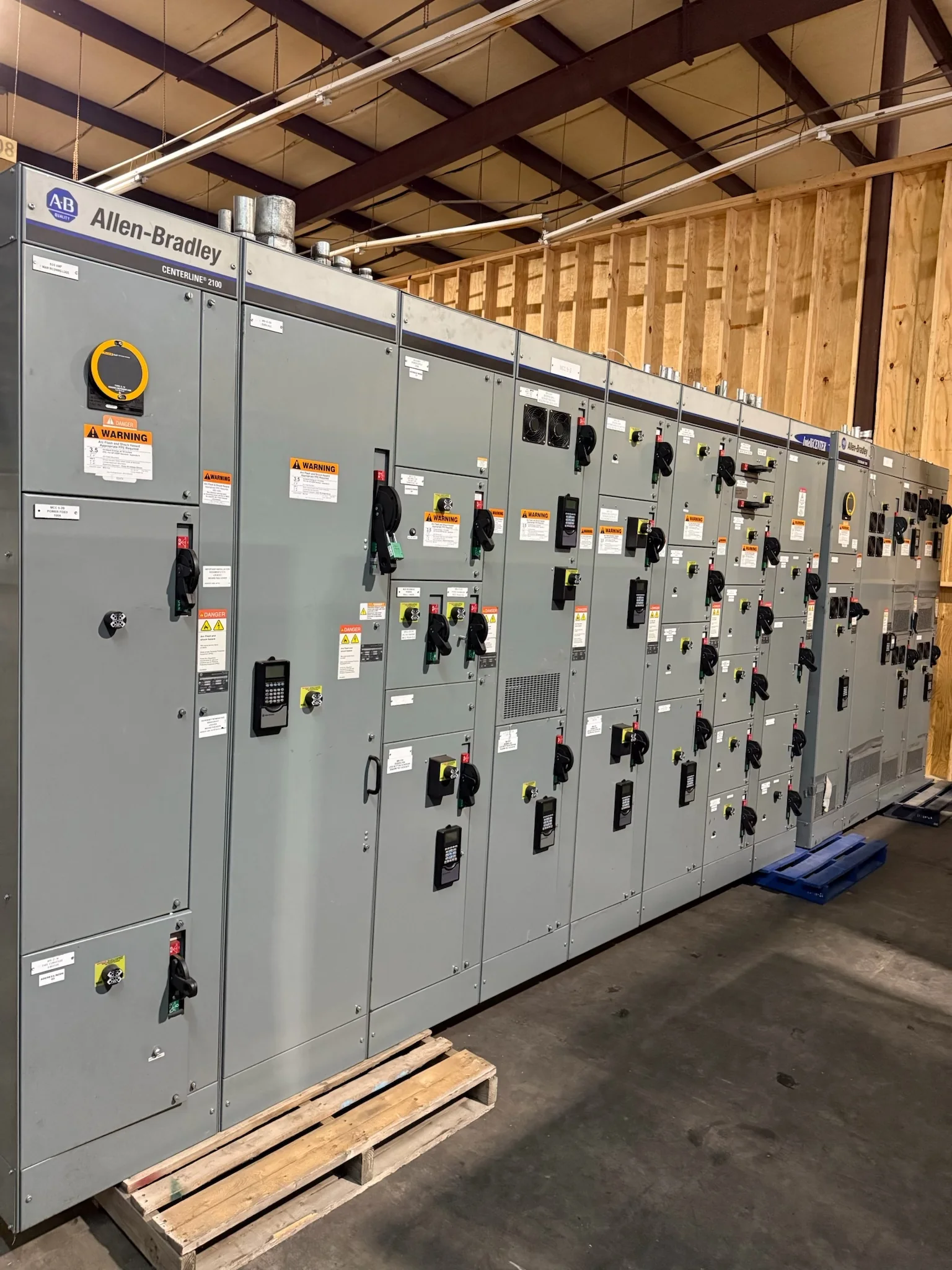
A commercial motor control center (MCC) groups motor-control and distribution equipment in a coordinated assembly, but the lineup should follow the actual loads—not a generic building template. Start with a verified motor schedule covering equipment served, motor nameplate data, starting method, control voltage, operating duty, and any required variable-frequency drives or soft starters. Pumps, air handlers, cooling towers, elevators, and process equipment can impose different starting and operating demands, so incomplete load information can lead to unsuitable feeder arrangements or late redesign. The engineer should also identify available fault-current information and the protective-device coordination requirements. Final voltage, bus ratings, short-circuit ratings, enclosure construction, and applicable evaluation depend on the project design and must be confirmed for the specific assembly and installation.
Coordinate Controls with Mechanical and Building Systems
An MCC is part of a building’s control architecture, not just a set of motor feeders. Before equipment is specified, coordinate control schematics and points lists with mechanical contractors, the building automation system integrator, and the electrical engineer. Clarify which functions are handled locally and which are initiated or monitored remotely, including run status, fault indication, permissives, alarms, and speed references where applicable. Identify communication protocols and interface responsibilities rather than assuming equipment from different vendors will connect without configuration. This matters especially when commissioning depends on sequences such as lead-lag pump operation or ventilation interlocks: unclear ownership can leave controls physically installed but functionally incomplete. Document terminal expectations, network requirements, and control-power sources, while keeping final logic and compatibility subject to project review.


Resolve Room Layout and Service Access Early
The electrical room can determine whether a proposed lineup is practical. Confirm available wall length, ceiling height, door and corridor clearances, working space, ventilation, and the route from the receiving point to the final position. Account for the lineup’s shipping sections and joining requirements, which may affect whether it can pass through a doorway or turn in a corridor. Room conditions also matter: dust, moisture, temperature, and the presence of corrosive or washdown environments can influence enclosure and installation choices. Do not rely on a floor plan alone; compare equipment dimensions and access needs against current architectural and structural drawings, and verify field conditions before release. Early coordination helps avoid costly changes to rooms, doors, conduits, or delivery plans after fabrication has begun.
Build a Submittal Package That Supports Review
A complete specification package gives the manufacturer and project team a reliable basis for design review. Provide one-line diagrams, motor schedules, control schematics, feeder and protection requirements, space or future-unit provisions, and the project’s applicable standards. Include equipment-room plans and conduit-entry expectations, plus notes on integration with upstream switchboards, transformers, generators, or automatic transfer equipment. Identify required submittal format, review sequence, and approval responsibility so unresolved comments do not carry into production. For low-voltage switchboard assemblies, UL 891 may be relevant when the assembly is appropriately evaluated; it should not be treated as a blanket certification for every MCC or for medium- or high-voltage equipment. The exact construction, evaluation, markings, and documentation must be confirmed for the equipment and scope being quoted.
Plan Schedule Around Decisions, Not Assumptions
A manufacturer can discuss timing only after the scope and review path are understood; no delivery period should be assumed from a product category alone. The schedule may depend on drawing approval, component selection, control interfaces, requested options, and when the project team resolves technical comments. Procurement teams can reduce avoidable delays by issuing a coordinated specification, identifying decision-makers, and distinguishing required features from preferences. Ask for the current schedule basis and clarify which milestones depend on customer approvals or information from other contractors. If building turnover or seasonal startup drives the date, share that constraint early and plan commissioning and installation activities with the general contractor. Custom builds and short lead times may be available, but actual timing and availability are project-specific and should be confirmed in the quote and approved submittals.
Coordinate Shipping, Receiving, and Startup Requirements
Nationwide shipping does not remove the need for a site-specific receiving plan. Confirm who will accept the shipment, whether a loading dock or suitable unloading equipment is available, where equipment can be staged, and how shipping sections will reach the electrical room. Align delivery timing with site access, crane or forklift arrangements, storage conditions, and the contractor’s ability to inspect and protect equipment after receipt. Before energization, the responsible electrical professionals should verify installation against approved documents, complete required inspections and testing, and coordinate any control-system checks with the mechanical and automation teams. All installation and maintenance work must follow applicable safety procedures, including de-energizing equipment when required; this copy does not replace project-specific instructions. Discuss packaging, shipping configuration, documentation, and delivery coordination with the manufacturer before placing the order.