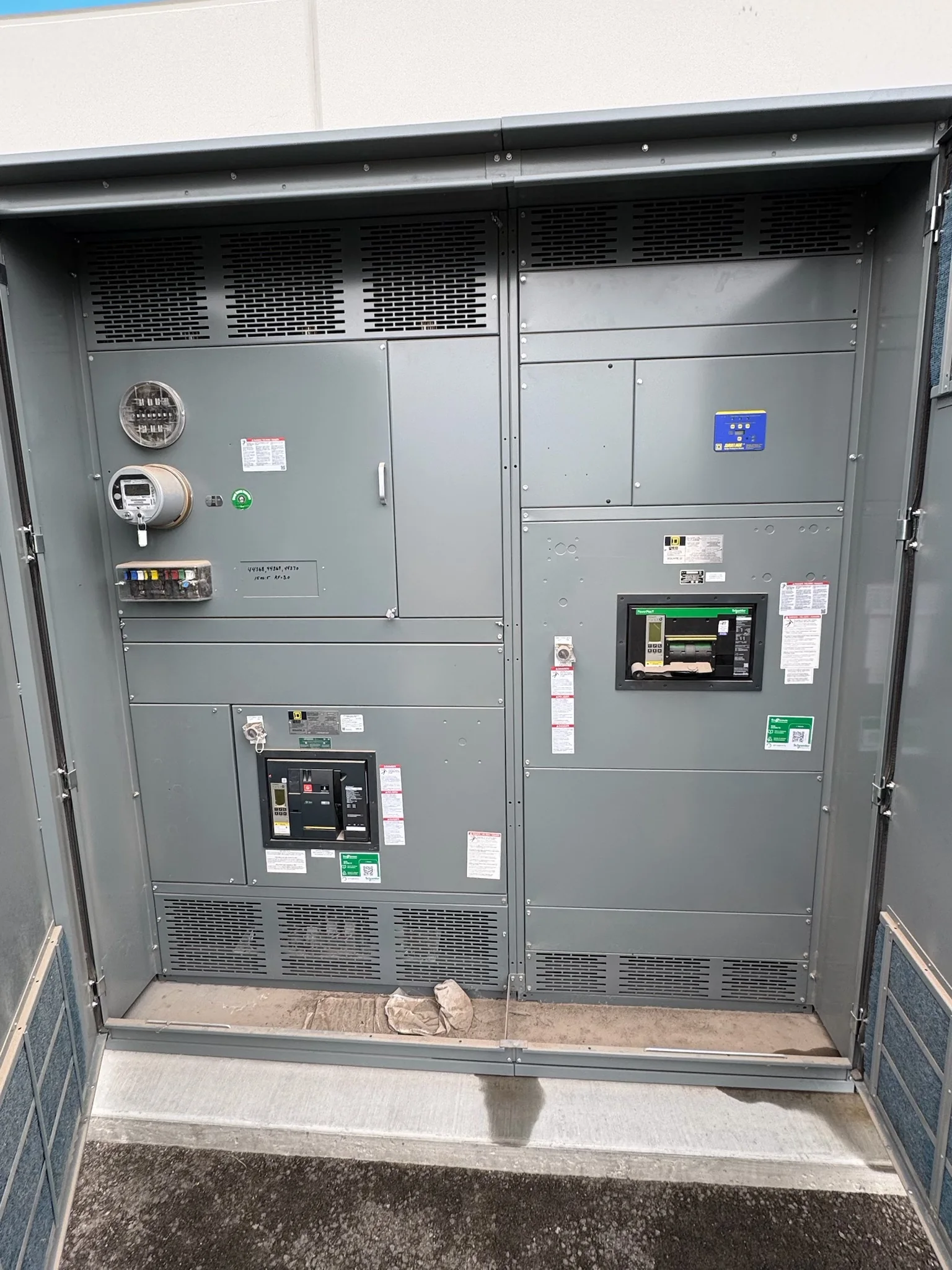
Start With the Motor and Process Requirements
A motor control center (MCC) should be planned around the loads and operating patterns it will serve, not selected from a lineup description alone. Gather motor horsepower, voltage, full-load current, starting method, duty cycle, and control requirements for each load, along with any spare capacity the project actually needs. Pumps, conveyors, compressors, and process equipment can impose different starting and coordination demands, so a schedule that omits operating context may lead to an unsuitable combination of starters, drives, and protective devices. Identify which motors run together, which are critical to production, and how operators start or stop them. These details give the manufacturer and project engineer a basis for developing a configuration that fits the process while leaving assumptions visible for review.
Coordinate Protection, Controls, and System Interfaces
MCC unit selection affects more than motor starting: protective devices, control circuits, communications, and upstream coordination all have to work together. Provide available fault-current information, the upstream protective-device details, grounding approach, and applicable project standards so the engineering team can evaluate the proposed assembly and interfaces. Where variable-frequency drives, soft starters, PLCs, or networked monitoring are involved, define control ownership, signals, communication protocols, and environmental limits early. A drive’s heat output, for example, can affect enclosure and ventilation decisions; leaving that issue until installation can create avoidable design changes. Confirm which components are specified by the owner or consultant and which may be proposed by the manufacturer. Ratings, component compatibility, and standards compliance must be reviewed for the specific project rather than assumed from a general MCC description.


Fit the Lineup to the Room and Installation Route
An MCC that meets electrical requirements still has to fit through the facility and operate within the available electrical room. Confirm the intended lineup location, working clearances, ceiling height, door and corridor dimensions, floor openings, and the route from receiving area to final position. Structural loading and anchorage requirements should be checked against project documents and site conditions, especially when equipment is placed on an existing floor or near vibration-sensitive process machinery. Record cable-entry direction, conduit or busway locations, and space for field connections; these choices influence lineup arrangement and installation labor. Also identify heat, dust, moisture, corrosive atmospheres, and washdown exposure. Those conditions can affect enclosure and ventilation choices, but the suitable construction depends on the actual environment and project requirements, not a broad label such as “industrial.”
Resolve Drawings, Submittals, and Scope Before Release
A clear document package helps procurement, engineering, and construction teams catch mismatches before equipment enters production. The request for quotation should include the one-line diagram, motor and load schedules, control schematics or functional descriptions, site layout, specifications, and any required approved manufacturers or component preferences. State the required submittal format, review sequence, and decision-makers, and distinguish mandatory requirements from acceptable alternates. Confirm responsibility for field wiring, network configuration, startup, commissioning, and connections to upstream or downstream equipment; gaps at these interfaces can delay turnover even when the MCC itself is ready. Review drawings for unit identification, spare provisions, cable access, and consistency with the latest electrical documents. Clarifying these items at order review reduces late revisions and gives installers a more reliable basis for planning.
Plan Timing Around Decisions and Site Readiness
Project timing depends on more than the date equipment is requested. Custom configurations, component selection, drawing review, approval cycles, and resolution of technical questions all influence the path from quotation to shipment. Share the required on-site date, construction sequence, receiving restrictions, and any milestones that depend on energization, then ask for current project-specific availability and a clearly defined schedule. Avoid treating a preliminary estimate as a delivery commitment, particularly while drawings or selections remain open. Procurement teams can protect the schedule by identifying who can approve submittals, consolidating comments, and tracking outstanding decisions. Facility managers should also coordinate shutdown windows and installation access with operations. A U.S. manufacturer can discuss custom builds and short lead times, but actual timing depends on the approved scope, component availability, and project conditions.
Coordinate Shipping, Receiving, and Replacement Work
Nationwide shipping does not remove the need to plan how an industrial facility will receive and place an MCC. Confirm the delivery address and access rules, truck and unloading arrangements, staging area, storage conditions, and any restrictions on delivery hours or vehicle size. Coordinate packaging, handling, and shipment sequencing with the installer so sections arrive in an order that suits the installation plan; verify requirements with the project team before shipment. For replacement work, document the existing lineup, feeder and control interfaces, available room, and planned outage window. Replacement compatibility is not assured by matching a general product name: dimensions, electrical characteristics, controls, and field connections require project-specific review. Keep equipment de-energized for installation and connection work, and have qualified personnel follow applicable procedures before any commissioning or return to service.