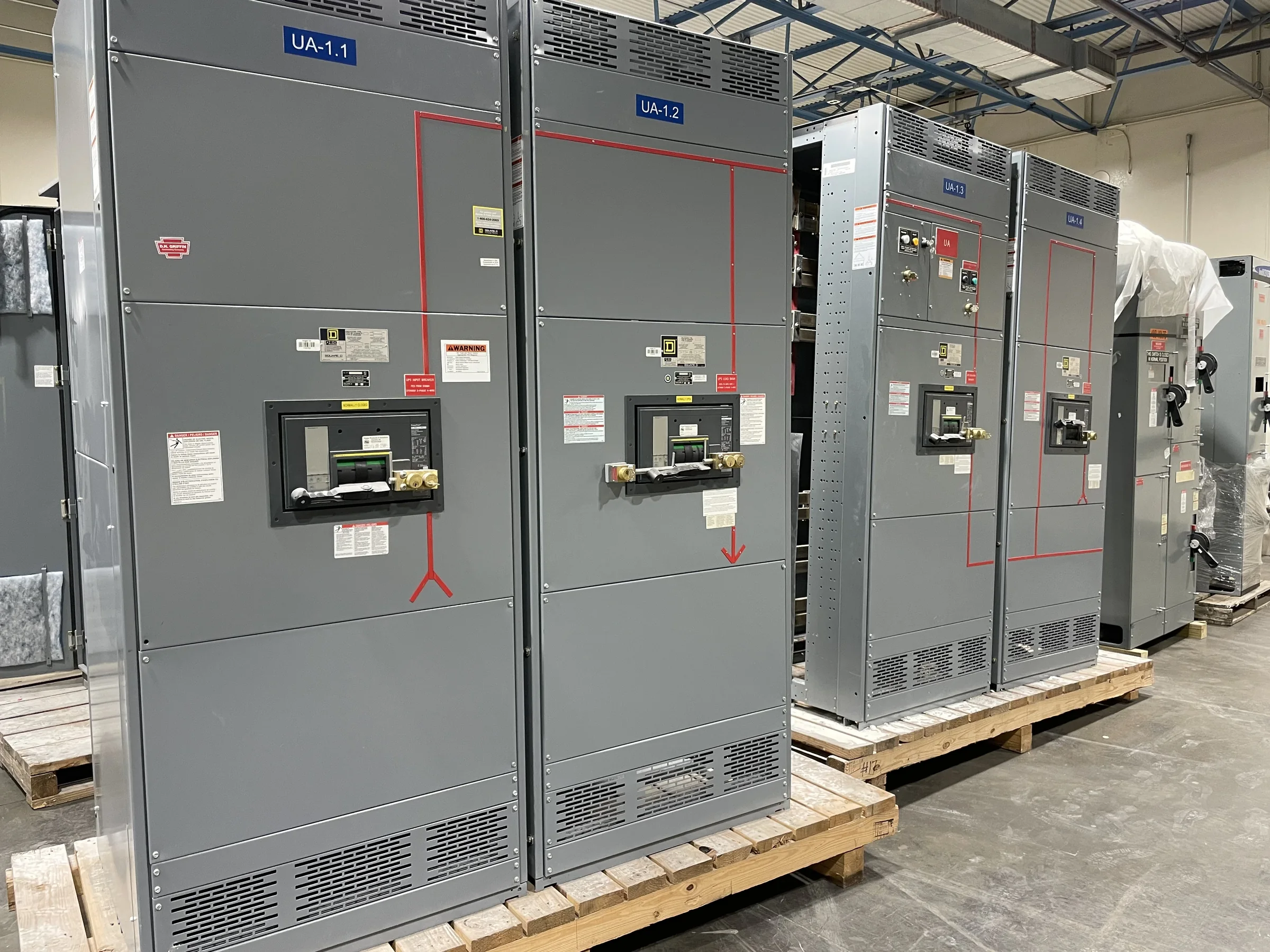
Define the Refinery Duty Before Selecting an MCC
Refinery motor control centers serve loads with different operating roles, from pumps and compressors to ventilation, cooling, and process-support systems. Begin with an equipment schedule that identifies each motor’s horsepower, voltage, starting method, duty cycle, control needs, and relationship to the process. Those details affect bucket selection, bus loading, fault-current requirements, and the space reserved for future circuits. A process area may also require equipment suitable for its classified location; the area classification and installation conditions must be established by the project’s qualified electrical and safety teams rather than inferred from the word refinery. A complete duty definition helps the manufacturer identify open design questions early, reducing the risk of late changes to the lineup, interfaces, or supporting distribution equipment.
Coordinate Protection, Controls, and Plant Interfaces
An MCC is part of a larger protection and control system, so procurement should address how it will connect to upstream devices, downstream motors, and plant automation. Provide available fault-current information, the intended protective-device coordination approach, control schematics, communication requirements, and any owner-specific conventions. Confirm whether each motor circuit needs across-the-line starting, reduced-voltage starting, a variable-frequency drive, or another arrangement; selection depends on the driven equipment, process sequence, utility limits, and operating philosophy. Interface details matter because mismatched control voltages, network protocols, or trip signals can delay commissioning even when the power section is suitable. Ask for a documented review of exceptions and assumptions before release for production, and have the responsible engineering parties approve protection settings and final system coordination.


Resolve Environmental and Construction Constraints
Refinery locations can expose electrical equipment to heat, humidity, corrosive atmospheres, dust, vibration, washdown, or other demanding conditions, but the actual exposure varies by installation area. Document the expected indoor or outdoor location, ambient conditions, enclosure needs, cable-entry direction, access clearances, and any site-specific environmental or hazardous-area requirements. These factors influence enclosure construction, ventilation, materials, and the practical placement of the MCC; they should not be left to a generic refinery designation. Check the route from unloading point to electrical room, including door openings, corridor turns, floor capacity, lifting access, and final lineup dimensions. Early coordination matters because a lineup that meets electrical intent may still be difficult or unsafe to move into its assigned room without a planned handling route.
Build a Procurement Package That Supports Accurate Quoting
A useful request for quotation gives the manufacturer enough information to distinguish required features from preferences. Include the one-line diagram, motor list, electrical ratings, control requirements, site conditions, applicable project standards, preferred component details, lineup arrangement, and requested submittal documents. Identify which items are mandatory and which may be proposed as alternatives for engineering review. For low-voltage switchboard assemblies, UL 891 may be relevant when the assembly falls within its scope and is evaluated accordingly; it is not a blanket certification for every MCC or for medium- and high-voltage equipment. Exact standards, ratings, component compatibility, and labeling depend on the design and project. A clear scope helps expose gaps before purchase and gives procurement a sound basis for comparing technically responsive proposals.
Plan Schedule Around Reviews, Approvals, and Delivery
A short manufacturing lead time is useful only when the project is ready to move through engineering review and site coordination. Establish the required-on-site date, submittal review window, approval responsibilities, shipping destination, receiving hours, and any restrictions on delivery vehicles or unloading equipment. Confirm which drawings and data are needed for room layout, cable planning, foundations, and control integration, and identify who will resolve comments. Refinery construction schedules may involve limited access windows, contractor sequencing, and carefully controlled receiving areas; a missed delivery appointment can disrupt more than the electrical scope. Ask for the current schedule and shipping plan for the specific project rather than assuming a standard duration. Availability and timing depend on final configuration, component selection, approvals, and other project conditions.
Prepare Installation and Turnover Information Early
Before the MCC arrives, align the approved drawings with the electrical room, feeder routing, grounding plan, control wiring, and installation responsibilities. Verify that the receiving team can inspect and protect the shipment, that the handling plan suits the equipment configuration, and that the site has a documented method for setting and joining sections where applicable. Installation, inspection, testing, and commissioning must follow approved project documents and applicable requirements, with equipment de-energized before work that requires it. Do not treat factory documentation as a substitute for site verification: confirm field connections, protective-device coordination, control interfaces, and equipment identification with the responsible engineering and commissioning teams. Planning these checks matters because missing records or unresolved interfaces can hold up startup, complicate maintenance handover, and leave operators without clear equipment information.