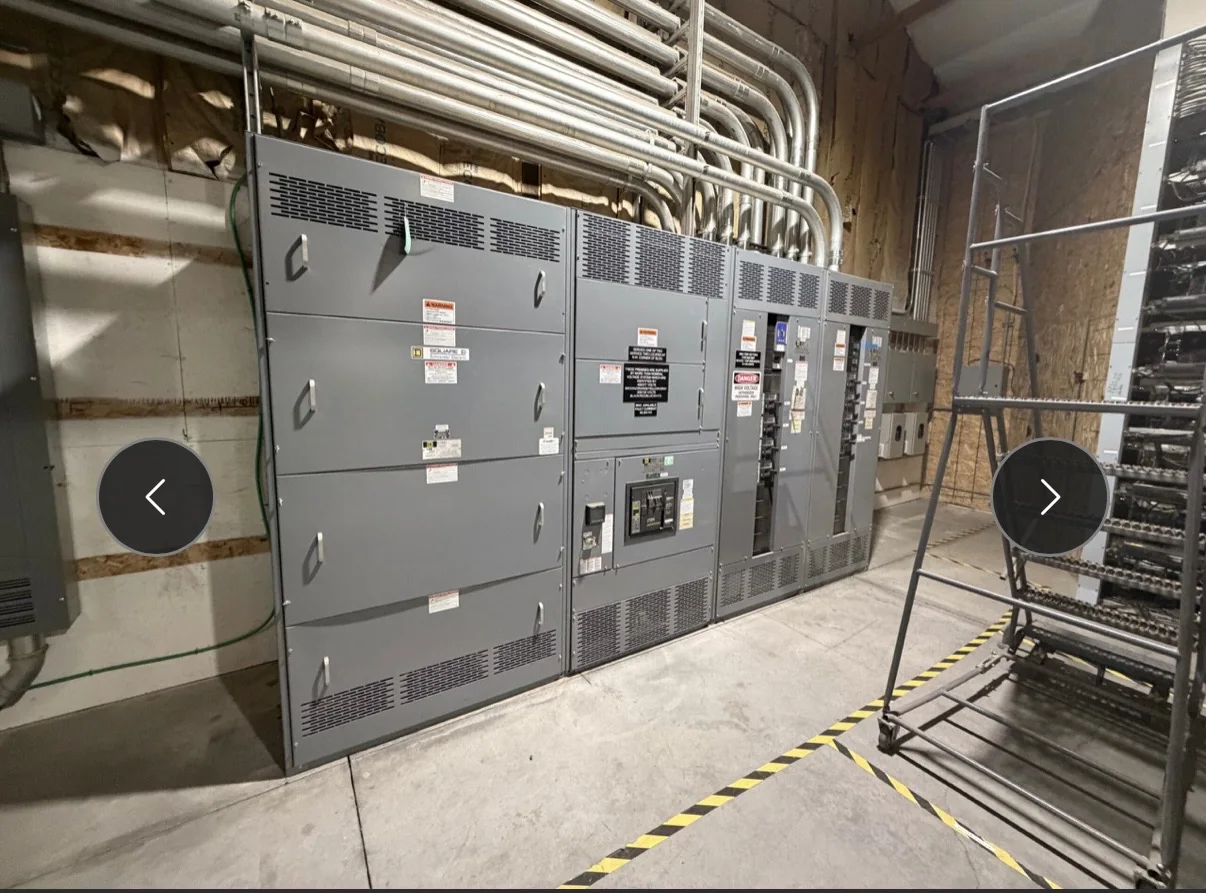
Coordinate MCC Scope With Utility Operating Needs
A utility motor control center (MCC) may serve water and wastewater pumping, treatment processes, auxiliary systems, or other facility loads, but those duties should not be treated as interchangeable. Start with the equipment list and operating sequence: identify each motor, its control method, expected starts, interlocks, alarms, and whether local, remote, or automatic operation is required. Clarify which functions belong in the MCC and which are handled by a plant control system or separate equipment. These decisions shape the lineup, control wiring, and interfaces that must be reviewed before release. For procurement teams, a marked-up one-line diagram and motor schedule help align the requested equipment with the actual application and reduce late scope changes.
Resolve Electrical and Control Requirements Before Quotation
Provide the available system voltage, frequency, phase, grounding arrangement, and fault-current information, along with the project’s required equipment ratings and applicable standards. Do not assume an existing lineup’s ratings or physical arrangement can be carried forward to a replacement. Motor horsepower and full-load current matter, but so do starting characteristics, protective-device coordination, control voltage, and the specified combination of starters, drives, or other components. For utility facilities, also identify required communications, remote status points, permissives, and control interfaces; an MCC that fits electrically but cannot connect as intended can delay commissioning. A U.S. manufacturer can review these inputs for a custom build, while final ratings, compatibility, standards, and any evaluation or labeling remain project-specific.


Plan the Lineup Around the Electrical Room
Room dimensions can constrain a utility MCC as much as the electrical design. Confirm the intended lineup length and depth against drawings, aisle clearances, working space, door swings, overhead obstructions, cable trenches, and the positions of incoming and outgoing conductors. Check access routes too: a lineup that fits its final location may still be difficult to move through a doorway, around a corridor, or onto a raised pad. Record the equipment orientation and the side from which installers can approach each section. If an existing lineup is being replaced, document its footprint, entry points, and nearby equipment rather than relying on a general description. These checks help identify layout conflicts before fabrication and support a more reliable installation plan.
Use Environmental and Service Conditions to Guide Details
Utility facilities may expose electrical equipment to moisture, condensation, dust, corrosive agents, temperature swings, or infrequent access. Describe the actual indoor or outdoor location and the conditions the equipment must withstand; do not select an enclosure or construction detail from a broad label such as “pump station” alone. Consider ventilation, space heaters where specified, enclosure access, drainage concerns, and the effect of the environment on controls and maintenance. Where operations are remote or the site is unattended, clear local indications and practical access for inspection can matter as much as the initial control scheme. The project documents should state relevant environmental requirements and any site restrictions. Final construction and suitability depend on the application review, specified ratings, and applicable evaluation.
Make Submittals Useful for Review and Installation
A complete procurement package gives engineering, operations, and construction teams a common basis for checking the proposed MCC. Include the latest one-line diagram, equipment layout, motor and load schedules, control schematics or functional descriptions, communications requirements, and project-specific specifications. Identify required submittal formats, review milestones, drawing approval responsibilities, and closeout documents before ordering. Review the proposed lineup against connected equipment and field wiring plans; unresolved terminal, cable-entry, or interface details can surface as installation rework. Ask for documentation appropriate to the scope, such as approved drawings, equipment identification information, and operation or maintenance materials, as specified in the contract. Approval status and document completeness should be tracked explicitly so fabrication decisions are not mistaken for final field requirements.
Discuss Production Timing and Delivery as Project Constraints
A short requested schedule does not by itself establish when an MCC can be delivered. Timing depends on the approved scope, component selection and availability, drawing review, required evaluations, and project changes. Share the needed-on-site date, interim milestones, receiving hours, unloading resources, and any limits on truck access when requesting a quote. For remote utility sites, coordinate the delivery route, equipment dimensions, lifting plan, storage conditions, and sequence with the site team before shipment. Nationwide shipping can support projects across the country, but the delivery plan must fit the destination and site readiness; confirm freight arrangements and responsibilities for the specific order. Agree on schedule assumptions in writing, then keep the manufacturer informed when approvals, loads, or site conditions change.