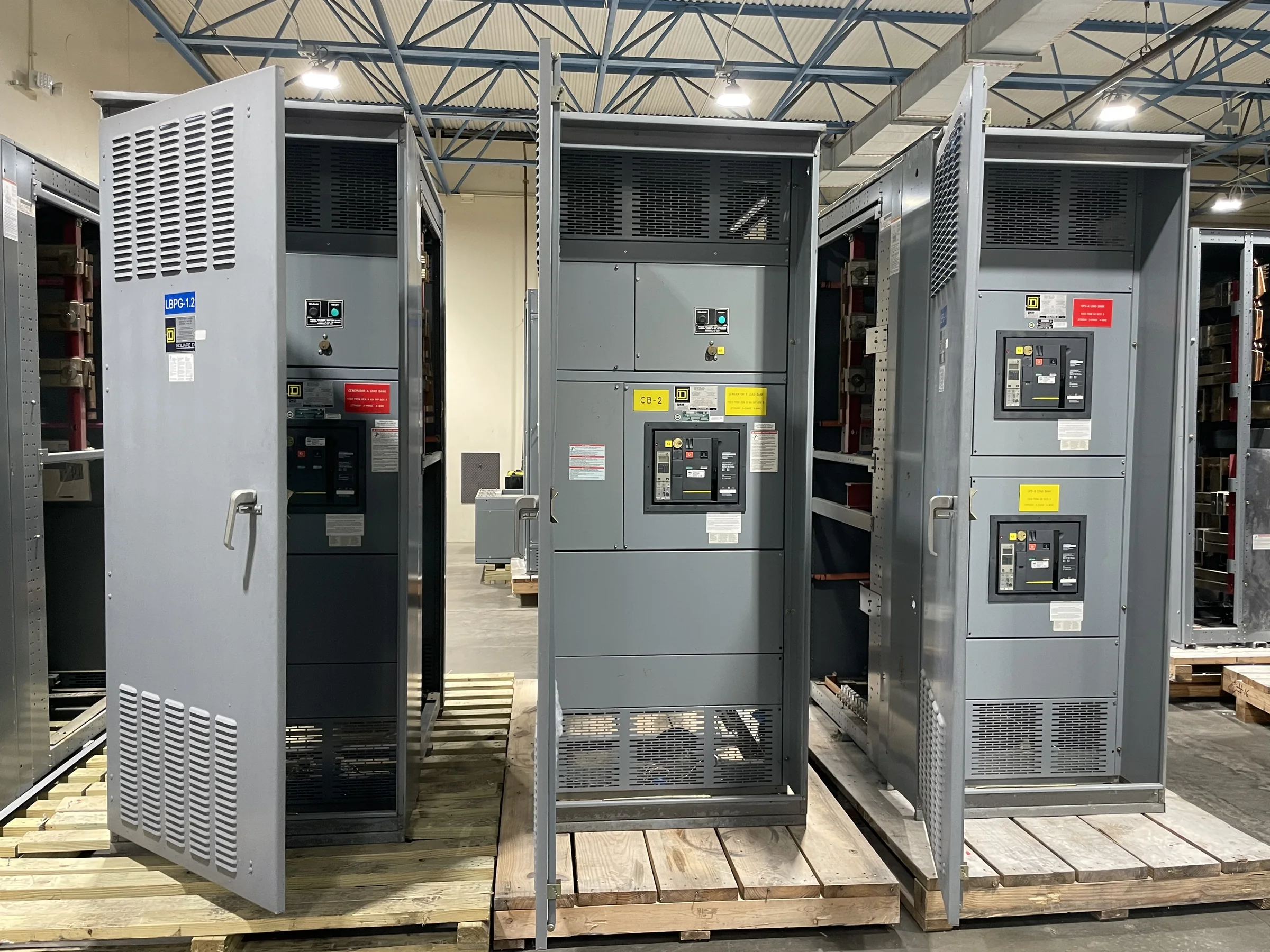
Start With the Breaker’s Role in the System
Power circuit breaker selection begins with the electrical system it must protect, not with a catalog description. Confirm the system voltage, frequency, available fault current, grounding arrangement, and intended continuous load, then identify whether the breaker serves an incoming source, tie, feeder, or other function. These details affect interrupting capability, frame and trip requirements, protection coordination, and compatibility with the switchgear assembly. A breaker that fits physically may still be unsuitable for the duty or operating scheme. Provide the one-line diagram and any available short-circuit and coordination studies when requesting a quote. If fault-current data or study assumptions are uncertain, flag them early; resolving that uncertainty before release can prevent a costly redesign or an assembly that does not meet the project’s documented requirements.
Specify Ratings and Protection as a Coordinated Package
The breaker’s nameplate values and protective functions need to be evaluated together with the switchgear bus and connected equipment. Define the required voltage and current ratings, interrupting duty, trip-unit functions, sensor or rating-plug needs where applicable, and any ground-fault requirements. Then coordinate those choices with upstream and downstream protective devices so a fault can be cleared appropriately without unnecessary loss of service. Do not assume that a breaker with a familiar model name or similar dimensions has equivalent ratings, trip characteristics, or accessories. Share the governing specifications, load information, protection settings, and applicable project standards for review. Final suitability depends on the actual system and assembly, so ratings, available options, and standards compliance should be confirmed for the specific equipment being quoted.


Resolve Existing Gear and Replacement Compatibility
For replacement or retrofit work, identify the installed switchgear before assuming a new breaker will interchange. Record the manufacturer, equipment type, catalog and serial information, breaker designation, and available nameplate data; photographs of the breaker, compartment, labels, and connections can help clarify what is present. Differences in mounting, primary contacts, secondary control connections, interlocks, or trip-unit configuration may prevent direct substitution even when the voltage and current ratings appear similar. Include existing drawings and describe the intended scope: a complete new assembly, a replacement breaker for compatible equipment, or a broader modernization. Compatibility and retrofit applicability must be evaluated project by project. This check matters because an unverified fit can disrupt engineering, procurement, installation planning, and the outage window.
Plan Documentation Before Releasing the Order
A complete request for quotation gives engineering and procurement a common basis for reviewing the breaker and its switchgear. Include the one-line diagram, equipment schedule, project specification, available fault-duty and coordination information, control-voltage requirements, preferred accessories, and any required drawing or submittal format. Identify governing codes and standards in the contract documents rather than relying on assumptions about a product category. For low-voltage switchboard assemblies, UL 891 may be relevant when the project requires an appropriately evaluated assembly; it should not be treated as a blanket certification for medium- or high-voltage equipment. Ask which documents, evaluations, and labels apply to the offered configuration. Clear records matter because they expose scope gaps early and help reviewers compare proposals on equivalent technical and commercial terms.
Coordinate Schedule, Site Access, and Delivery
A short equipment lead time is useful only when it aligns with design approval, site readiness, and the planned outage or construction sequence. Establish when approved drawings are needed, who will review them, what information must be settled before fabrication, and when the receiving area can accept the shipment. Confirm access limits, unloading arrangements, indoor storage conditions, handling responsibilities, and the route from the receiving point to the installation location. Nationwide shipping does not remove the need to check delivery access or coordinate site-specific restrictions. Do not treat a preliminary schedule as a guaranteed delivery date; timing and availability depend on the final configuration and project requirements. Raising these constraints during quotation helps identify coordination risks before they affect commissioning or facility operations.
Compare Proposals on Scope and Service Conditions
When comparing new power circuit breaker proposals, look beyond the base breaker description and price. Check that each offer addresses the same system duty, protective functions, accessories, switchgear configuration, documentation, and stated standards. Clarify what is included in the assembly, what information remains outstanding, and which assumptions could change the quoted scope. American components and custom builds may be available, but component selection and assembly details should be confirmed for the particular order rather than inferred from a general description. Ask how drawing review, changes, shipment coordination, and final documentation are handled. This discipline helps procurement distinguish a technically complete offer from one that omits important requirements. Before award, have the responsible engineering reviewer confirm that the proposed equipment matches the approved project basis.