Define the Distribution Scope Before Requesting a Quote
Start with the electrical function the equipment must perform, not simply a product name. A project may need a low-voltage switchboard, a medium-voltage assembly, or coordinated equipment across several voltage levels; each choice affects interfaces, protection, space, and procurement. Provide the one-line diagram, system voltage, available fault-current information, service entrance or feeder arrangement, and intended loads when available. Identify whether the work is for a new facility, capacity expansion, or replacement, and note which existing equipment must remain in service during construction. These details help the manufacturer assess the requested scope and identify missing decisions early. Ratings, construction, standards, and suitability depend on the complete application and must be confirmed through project-specific engineering review—not inferred from a general equipment category.
Match Ratings and Protection to the System
Equipment ratings should follow the documented electrical system and the conditions at its installation point. Relevant inputs can include nominal voltage, continuous current, short-circuit duty, grounding method, and the protective devices and upstream sources that shape fault conditions. For replacement work, verify the existing lineup’s dimensions and electrical interfaces, but do not assume a new assembly is interchangeable because its nameplate appears similar. Breaker type, bus arrangement, cable termination space, and coordination requirements can affect whether the proposed configuration fits the design. Provide available studies or identify which calculations remain pending so the engineering team can establish what needs confirmation. The final selection is project-specific; an equipment rating, protective scheme, or physical fit should not be treated as guaranteed before review.


Resolve Layout and Installation Constraints Early
A technically suitable assembly can still create problems if the room and installation path are overlooked. Confirm the available footprint, working and access clearances required by the design, ceiling height, doorway and corridor dimensions, floor loading considerations, and cable entry direction. Document obstructions such as structural members, piping, existing conduits, or nearby equipment that could interfere with placement or service access. For renovations, record field-verified dimensions and distinguish them from old drawings; an inaccurate room plan can trigger redesign, construction delays, or difficult handling on delivery day. Coordinate equipment orientation and shipping sections with the electrical contractor and site team before final approval. Actual dimensions, construction, and applicable clearances must be established for the selected equipment and installation, rather than assumed from a typical lineup.
Coordinate Schedule, Submittals, and Decisions
A useful schedule accounts for engineering decisions as well as manufacturing and transportation. Identify the required approval dates, construction milestones, outage windows, and dates when the site needs equipment available for installation. Submit current drawings and project requirements promptly, and flag unresolved items such as breaker selection, metering, control interfaces, or final load data. Late changes can affect drawings, materials, manufacturing sequence, and shipment planning, so document revisions and approval responsibility clearly. Discuss expected timing with the U.S. manufacturer during quotation and again when the scope is defined; short lead times may be offered, but no delivery period should be assumed until the specific configuration and availability are confirmed. A realistic procurement plan also allows time for review, site readiness, receiving, and coordination with other trades.
Plan Shipping and Receiving Around the Site
Nationwide shipping does not remove the need for a site-specific receiving plan. Before shipment, confirm the delivery address, access restrictions, receiving hours, unloading equipment, staging area, and who is authorized to inspect and accept the shipment. Consider whether a truck can reach the electrical room or whether equipment must be moved through a dock, elevator, corridor, or restricted gate. These constraints can affect shipment configuration and handling arrangements, so raise them before the lineup is prepared for delivery. Protect a suitable storage area from water, dust, impact, and construction traffic, and coordinate delivery with the contractor’s installation sequence. Shipping dates, packaging, unloading responsibilities, and handling requirements are project-specific; confirm them with the manufacturer and site logistics team rather than relying on assumptions.
Review Documentation and Confirm Application Fit
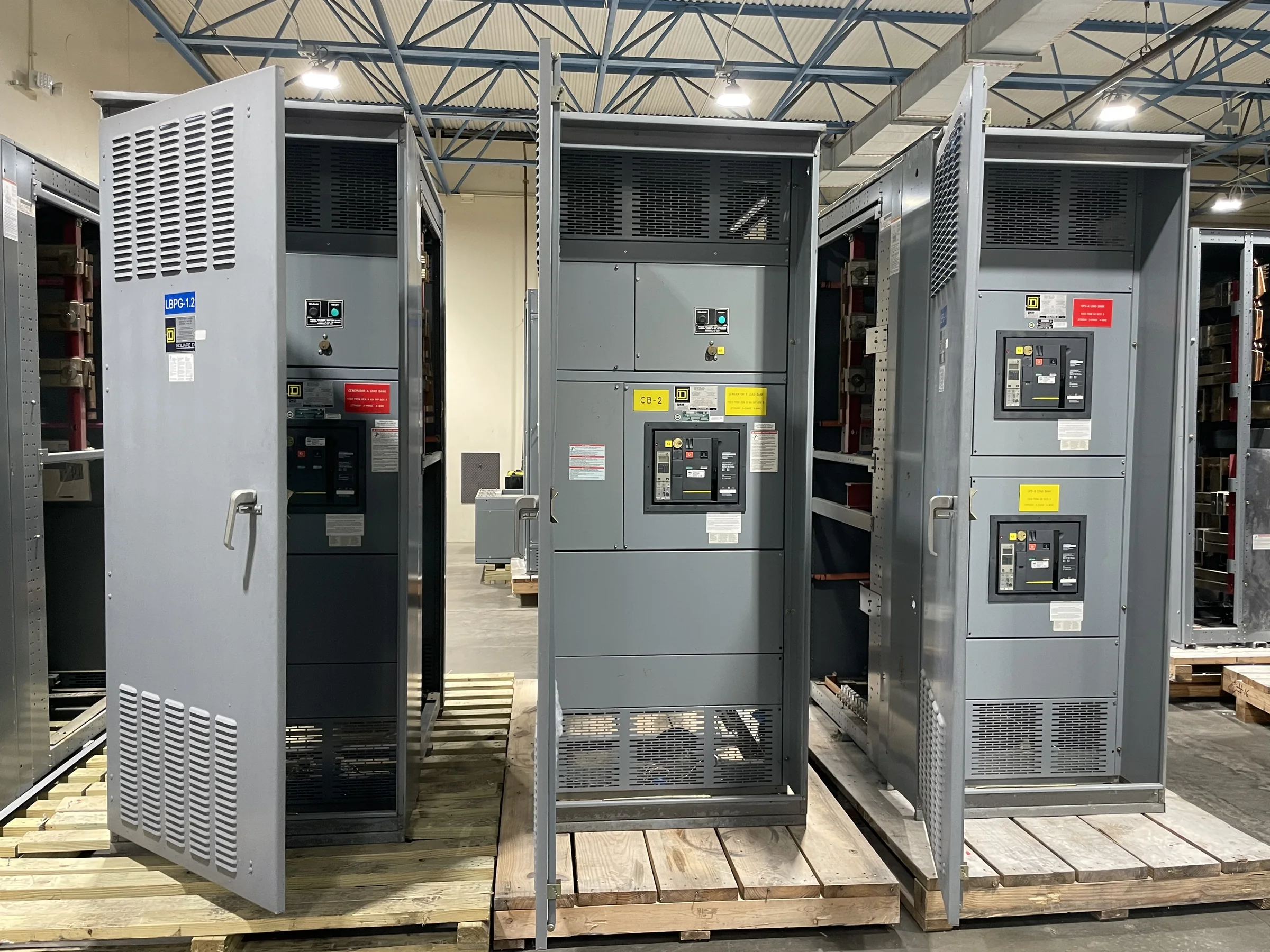
A complete equipment package gives engineers, contractors, and facility staff information they can use to review and install the assembly. Depending on the project, request the applicable submittal drawings, equipment schedules, connection and interface details, and documentation identifying the evaluated configuration and applicable standards. Check those materials against the one-line diagram, room layout, cable plan, controls, and project specifications, then record exceptions before approval. UL 891 applies to appropriately evaluated low-voltage switchboard assemblies; it is not a blanket certification for medium- or high-voltage equipment, and a product’s label or evaluation status must be confirmed for the specific assembly. Ask the manufacturer to clarify scope, component choices, and documentation available for the proposed build. Final suitability, compliance, and interface compatibility require project-specific confirmation.