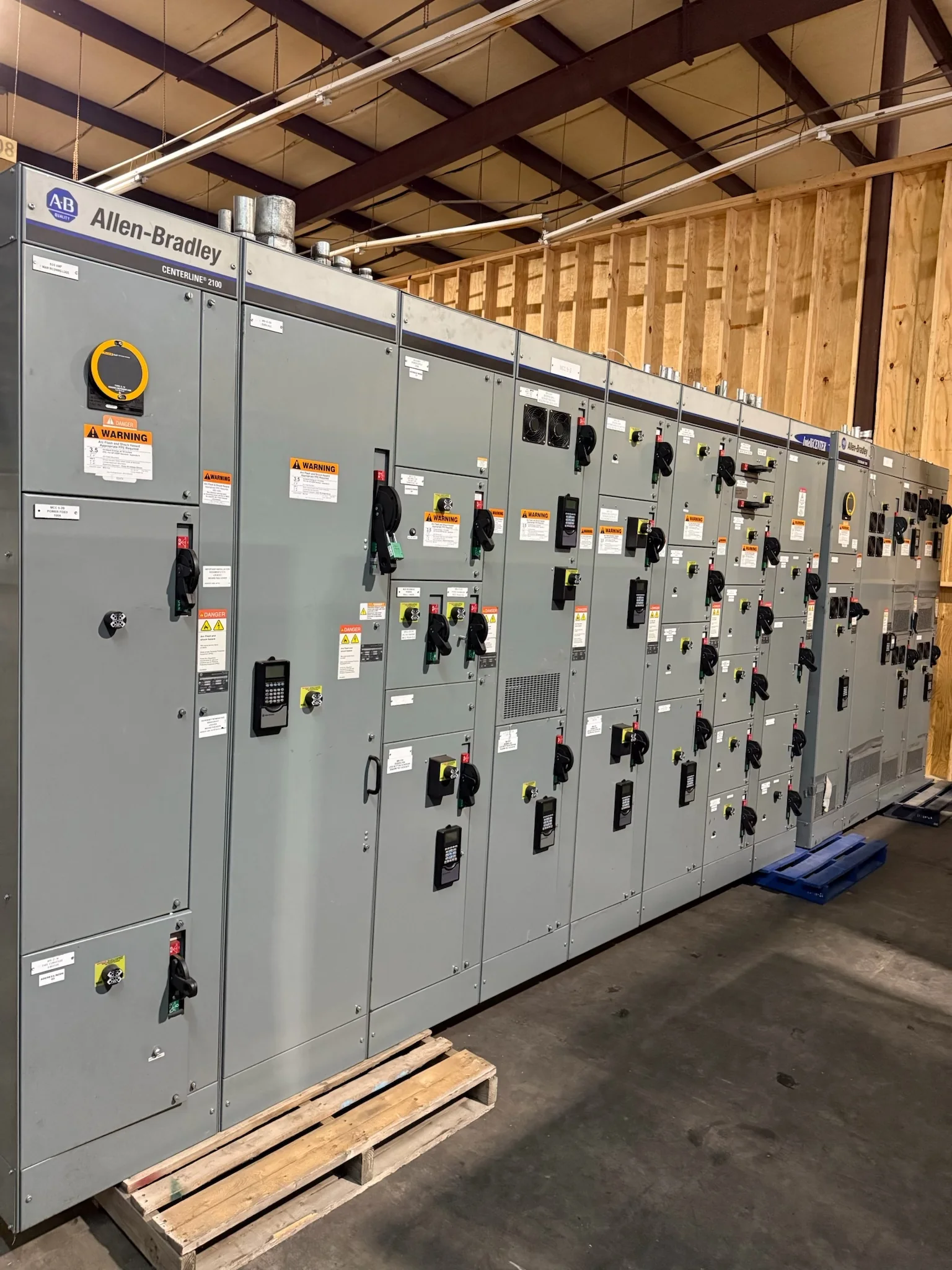
Define the Utility Service Boundary Before Selecting Equipment
A service-entrance switchboard is one part of a larger utility-to-facility arrangement, so begin by confirming where the utility’s responsibility ends and the customer’s equipment begins. Identify the service voltage, available phase and wire configuration, service conductors, grounding approach, and the point where metering and service disconnects are required. Utility construction standards and approval processes vary, and a utility may prescribe details that affect the switchboard’s layout or acceptable components. Confirm those requirements with the serving utility and the project engineer before a purchase specification is finalized. This early coordination matters because a mismatch at the service boundary can delay acceptance, force equipment revisions, or complicate installation after the gear reaches the site.
Coordinate Metering, Protection, and Utility Requirements
Metering arrangements can shape the switchboard’s compartment layout, access, and connection sequence. Establish whether the utility requires a particular meter location, instrument transformers, test provisions, sealing access, or a separate metering section; do not assume one utility’s arrangement will be accepted by another. The engineer should also document the service disconnect configuration, overcurrent protection, interrupting requirements, and coordination basis using project-specific system information. Available fault current, protective-device settings, and the utility’s contribution to the system are important inputs, not values to guess from a similar facility. Resolving these details before release helps align the equipment design with utility review, inspection, and commissioning needs, while reducing the chance that field changes affect clearances or conductor routing.


Specify Ratings and Construction From Verified Project Data
A useful request for quotation identifies operating conditions and required functions without treating a familiar rating as automatically suitable. Provide the nominal system voltage, continuous current needs, number and type of incoming sources, required feeder arrangement, and any provisions for future circuits. Include verified short-circuit data, the intended protective-device approach, and applicable project standards; the design team must confirm how these inputs translate into equipment ratings. Describe the environment as well: indoor or outdoor installation, ambient conditions, exposure to moisture or contaminants, and enclosure requirements can affect construction choices. Exact ratings, configuration, and standards applicability are project-specific. Clear, coordinated data lets the manufacturer assess a custom build accurately and helps procurement compare proposals on equivalent scope rather than headline ratings alone.
Plan the Site Layout and Utility-Side Access
Utility service equipment must fit both the electrical design and the physical route from delivery vehicle to its final position. Confirm the installation location, working clearances, door and panel access, conductor-entry direction, foundation or housekeeping-pad details, and any restrictions on moving sections through the building. For outdoor applications, account for exposure and the space needed for utility personnel to reach metering or service compartments. Check the site’s lifting capacity, equipment-handling path, overhead obstructions, and access for a truck or crane before approving the shipping configuration. These practical checks matter because a switchboard that meets electrical requirements can still be difficult or unsafe to place if its dimensions, section arrangement, or access needs were not coordinated with the site.
Prepare Submittals and Align the Purchase Schedule
A complete procurement package should connect the one-line diagram to the equipment schedule, utility requirements, site plan, and project specifications. Include the intended service arrangement, metering notes, feeder and load information, fault-current documentation, environmental conditions, and requested accessories or future provisions. Identify who reviews drawings for the owner, engineer, contractor, and utility, and establish when comments and approvals are needed. Ask the manufacturer to discuss current availability and the schedule implications of the specified configuration; custom construction and component selection can affect timing, and no delivery date should be treated as confirmed until scope and schedule are reviewed. Early, consolidated comments reduce avoidable redesign and help the project team coordinate procurement with construction milestones.
Coordinate Delivery, Installation, and Turnover
Before shipment, confirm the approved equipment configuration, shipping sections, receiving contact, unloading method, delivery access, and storage conditions. Nationwide shipping can support projects in different regions, but the site team still needs to verify route restrictions, staging space, weather exposure, and the sequence for moving equipment into position. At installation, qualified personnel should follow the approved drawings, equipment instructions, project safety procedures, and applicable requirements; work must be de-energized and controlled appropriately. Before energization, coordinate inspections, utility acceptance, testing responsibilities, protective-device settings, and turnover records. Keep final drawings, equipment documentation, approved settings, and test records together for operations staff. This handoff matters because clear records support safe maintenance and help future teams understand the service arrangement and installed configuration.