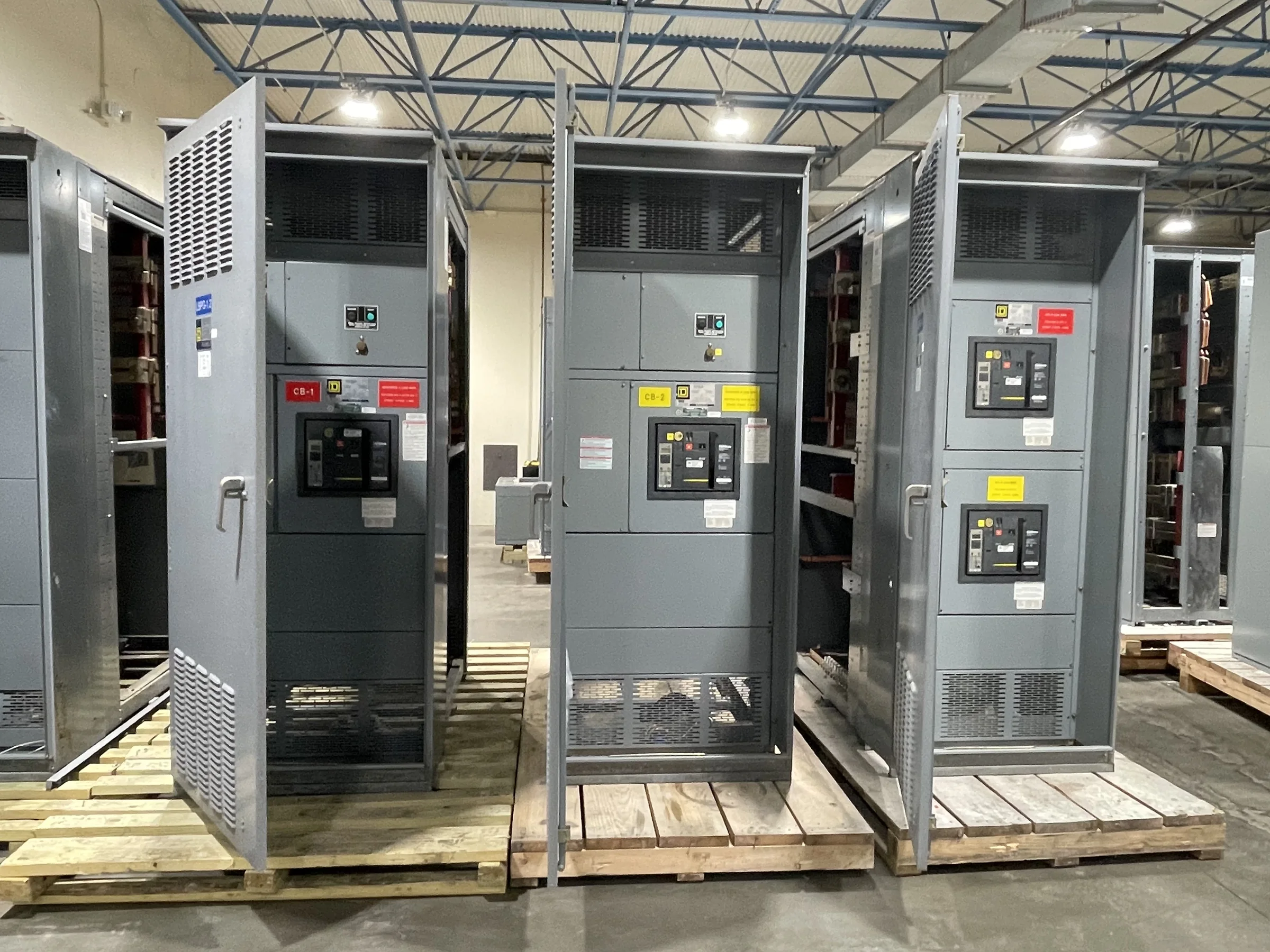
Define the Temperature at the Equipment, Not Just the Room
A room thermostat reading is not necessarily the temperature that matters at a switchgear enclosure. Document the expected ambient range where the equipment will be installed, including seasonal extremes, normal operating conditions, and short-duration events such as process heat or ventilation interruptions. For outdoor installations, account for direct solar exposure, wind, rain, and enclosure location; for indoor rooms, consider heat from adjacent equipment and whether cooling is continuous. These conditions influence equipment selection, ratings, enclosure choices, and any need for thermal management, but the applicable requirements depend on the specific assembly and project. Share the temperature basis with the manufacturer early, rather than relying on a general building-design value. That gives engineering and procurement teams a clearer basis for reviewing the proposed configuration.
Evaluate Heat Generated During Normal and Peak Loading
Switchgear produces heat as current flows through conductors, bus, connections, and installed devices. The operating temperature inside an enclosure can therefore differ from the surrounding air, especially when equipment is heavily loaded or installed in a confined space. Ask the project engineer to consider expected load profiles, future capacity plans, harmonic-producing loads, and periods of simultaneous operation; do not assume that the nameplate current alone resolves thermal suitability. A facility that regularly approaches peak demand may face a different temperature concern from one with the same equipment but intermittent loading. Provide realistic operating data when requesting a quote, and identify anticipated changes in connected loads. These details can help the manufacturer evaluate the requested arrangement and flag requirements that need confirmation against applicable product ratings and project criteria.


Check Temperature Limits Across the Complete Assembly
A switchgear lineup may include breakers, meters, relays, control power components, communication devices, and accessories from different sources. Each item can have its own environmental limits, and the assembly must be reviewed as a system rather than judged by a single component’s published range. In a hot electrical room, a device’s allowable ambient conditions may become important even when the main bus rating appears suitable. In cold environments, heaters, controls, displays, or battery-backed functions may also need review. Include equipment schedules and any owner-required environmental criteria with the inquiry, and ask which details need engineering confirmation. Do not infer that every configuration has the same temperature capability or listing. Ratings, evaluated construction, component compatibility, and any required markings are specific to the selected assembly and its intended application.
Plan Cooling and Ventilation Without Creating New Risks
Room cooling can help manage ambient conditions, but the electrical equipment should not be treated as a substitute for a properly designed HVAC plan. Coordinate heat-load assumptions with the facility engineer and account for maintenance outages, standby cooling, airflow paths, and the possibility that stored materials or later construction could obstruct ventilation. Dust, moisture, corrosive contaminants, and condensation can accompany temperature swings, so simply increasing airflow may introduce other concerns. Where enclosure heaters, fans, or other thermal accessories are being considered, verify suitability with the equipment design and site requirements before specifying them. Include cooling assumptions and alarm or monitoring expectations in the project documents. This coordination matters because an apparently minor room change can alter the environment used to select equipment and may require review before procurement or installation.
Make Temperature Assumptions Visible in Procurement Documents
A purchase specification should state the design ambient conditions and identify whether they are continuous, intermittent, or tied to a particular operating mode. Include indoor or outdoor placement, elevation when relevant to the design review, expected loading, enclosure requirements, and any owner or project standards that affect environmental suitability. Drawings, equipment schedules, and the request for quotation should use consistent assumptions; conflicting values can cause clarification cycles or an unsuitable selection. Ask the manufacturer to identify exceptions, requested deviations, and information still needed before approval. A U.S. manufacturer can discuss a custom configuration and American components, but the exact design, ratings, applicable standards, and availability remain project-specific. Clear documentation also gives purchasing, engineering, and operations teams a record to use when reviewing submittals and future equipment changes.
Coordinate Delivery and Installation Around Site Conditions
Temperature planning continues after the equipment is specified. Confirm that the receiving area, storage location, access route, and installation space can accommodate the equipment under the environmental conditions expected before energization. Outdoor staging, unheated buildings, construction dust, and rapid temperature changes can affect packaging, moisture exposure, and readiness for inspection; follow the manufacturer’s project-specific handling and storage guidance rather than assuming the shipping enclosure provides long-term environmental protection. Coordinate delivery timing with crane or rigging availability, electrical-room completion, and any required inspection or acceptance activities. Short lead times and nationwide shipping may support project planning, but timing and delivery arrangements depend on the build and destination and should be confirmed for the order. Keep environmental assumptions aligned across the submittal, site plan, and commissioning documents.