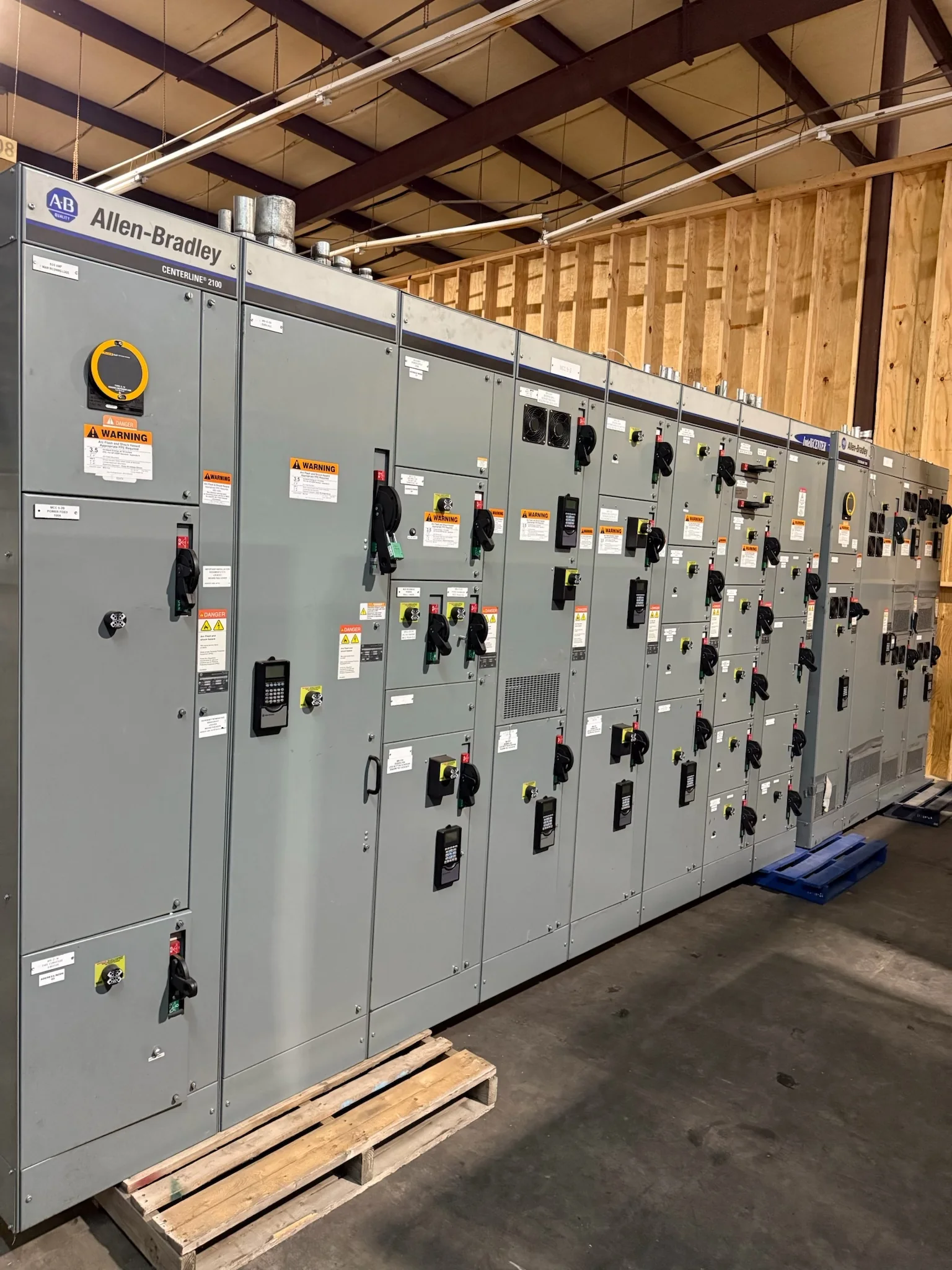
Define What “American Components” Means for the Project
“American components” can describe different things: where equipment is manufactured, where major assemblies are built, or where individual parts originate. Put the project’s intended meaning in the procurement documents before comparing proposals. Identify any domestic-content requirements, funding conditions, customer policies, or contract clauses that apply, and ask the manufacturer to explain how its proposed equipment addresses them. A U.S. manufacturer may offer American components, but that does not establish the origin of every device or material in a particular assembly. Request project-specific sourcing information for components that matter to approval, maintenance, or compliance. This distinction helps engineering and purchasing teams evaluate proposals on comparable terms, resolve documentation gaps early, and avoid treating a broad sourcing statement as a guaranteed component-by-component origin claim.
Turn the One-Line Diagram Into a Complete Equipment Basis
A one-line diagram is an essential starting point, not a complete switchgear specification. Provide the service voltage, system configuration, available fault-current information, grounding approach, connected loads, and intended protective-device functions so the manufacturer can review the proposed assembly against the application. Include the project’s applicable standards and any owner or utility criteria; applicability and acceptance must be confirmed for the specific equipment and installation. For low-voltage switchboard assemblies, UL 891 may be relevant when the design and evaluation fall within its scope, but it is not a blanket certification for all switchgear or voltage classes. Clarifying the design basis before quotation reduces assumptions that can affect device selection, physical arrangement, coordination studies, review cycles, and ultimately whether the equipment suits the distribution system.


Compare Component Choices by Function and Maintainability
Component selection is more useful when each choice is tied to a defined operating need. Identify which breakers, metering devices, control components, and accessory functions are essential, and distinguish them from preferred manufacturers or optional features. If a named component is requested, state whether an approved equivalent may be considered and what evidence engineering requires for acceptance. Confirm that proposed devices are compatible with the assembly, protection scheme, control power, communications requirements, and maintenance practices; brand similarity alone does not establish interchangeability. Ask how the selected components will be identified in the equipment documents and what product information will be supplied for review. This disciplined approach gives procurement room to evaluate sourcing options while helping engineers protect functional requirements, maintenance familiarity, and the facility’s planned operating procedures.
Plan Schedule Around Decisions, Reviews, and Dependencies
A requested delivery date is only meaningful when the project’s approval path and dependencies are visible. Ask for a project-specific schedule discussion that identifies the information needed to begin design, the customer review points, and any decisions that could affect component selection or fabrication planning. Short lead times may be an offering, but no duration should be assumed without confirmation for the actual configuration, sourcing, and order conditions. Late changes to fault-current data, metering, communications, enclosure arrangement, or approved components can trigger drawing revisions and affect the schedule. Coordinate the equipment milestone with construction sequencing, outage planning, and site readiness rather than treating shipment as the only deadline. Recording assumptions, approval responsibilities, and open items in meeting notes helps the team distinguish a planning target from a confirmed commitment.
Resolve Site Conditions Before Finalizing the Arrangement
The installation environment can change what a workable lineup looks like. Document indoor or outdoor placement, ambient and environmental conditions, access routes, room dimensions, working clearances, cable entry direction, and available pathways before the arrangement is finalized. Where dust, moisture, corrosive exposure, vibration, or temperature extremes may be present, describe the condition and ask the manufacturer and project engineer to confirm suitable design requirements; do not assume a standard enclosure or component selection will address every site. Check door swing, aisle access, structural support, lifting and rigging constraints, and the route from unloading point to electrical room. A lineup that fits the electrical design but cannot be moved through a doorway or safely positioned can cause costly field changes, installation delays, and avoidable handling risk.
Coordinate Submittals, Shipping, and Receiving as One Plan
Treat documentation and delivery coordination as part of the equipment purchase, not as closeout details. Establish which drawings and product data the engineer, owner, and installing contractor need, who reviews them, and which approved documents govern fabrication. Confirm project-specific requirements for nameplates, device schedules, wiring information, and any requested sourcing records rather than assuming every item is included. Before shipment, coordinate the delivery window, receiving contact, unloading equipment, staging space, weather protection, and any restrictions on truck access or site hours. Nationwide shipping is an available offering, but route, handling, packaging, and delivery arrangements should be confirmed for the destination and shipment. A clear receiving plan helps prevent equipment from arriving before the site can accept it and gives the installation team time to inspect and report transit concerns.