Define the Bid Package Before Comparing Prices
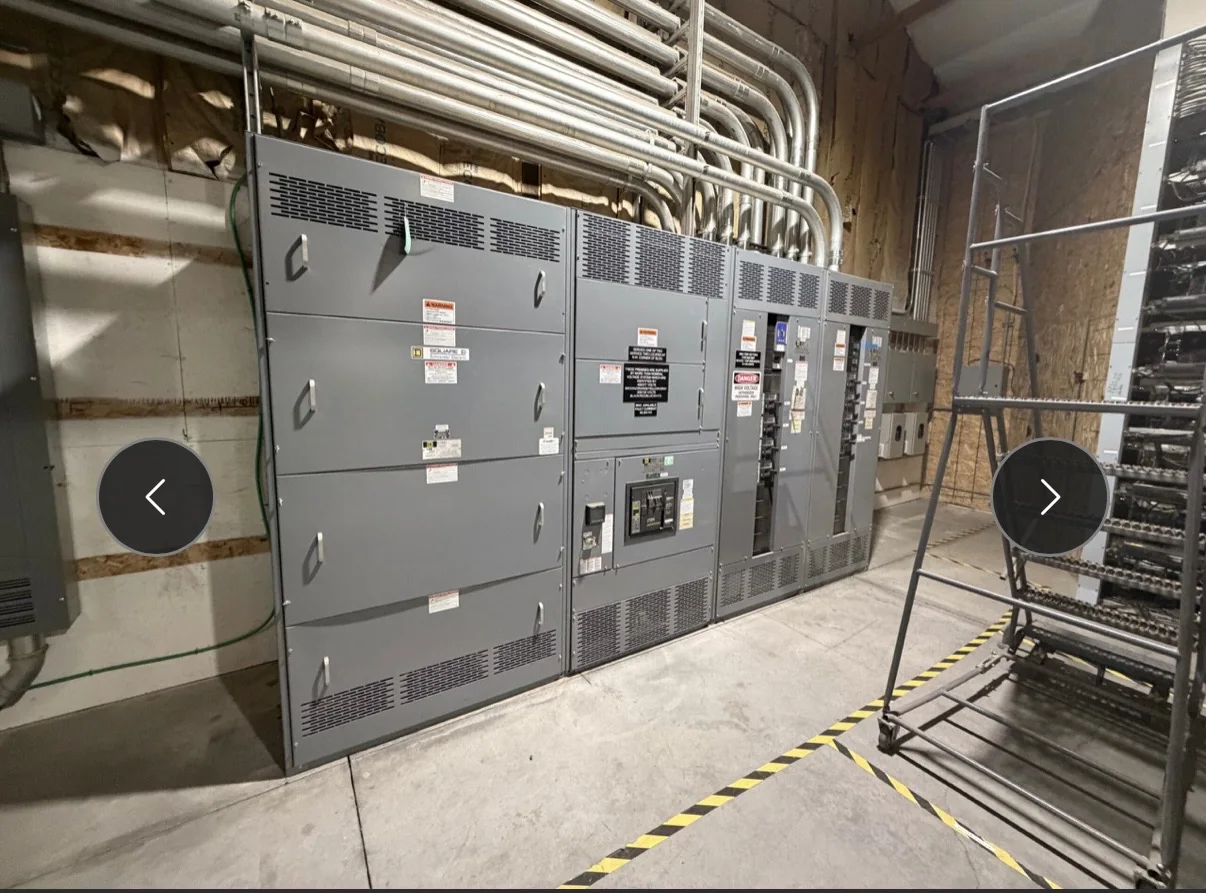
A useful switchgear bid scope starts with the one-line diagram, equipment schedule, and written specification—not a product name alone. Confirm the stated system voltage, frequency, phase, available fault current, main and feeder arrangements, and whether the request is for a switchboard, switchgear lineup, or another assembly. These terms describe different equipment and cannot be treated as interchangeable in a bid review. Identify the project’s required standards and any specified construction details, while separating mandatory requirements from preferred features. That distinction helps procurement compare proposals on an equivalent basis rather than overlooking an exception buried in a quotation. If drawings, schedules, and specifications disagree, record the conflict and request clarification before releasing an order; unresolved assumptions can affect design, price, and schedule.
Check Electrical Ratings and System Compatibility
Review each proposed rating against the project documents and the actual distribution system. Voltage class, continuous current, short-circuit withstand or interrupting requirements, bus configuration, grounding method, and protective-device details all influence whether equipment fits the application. The available fault current and upstream protection must be established by the project’s engineering basis; a bid should not assume a rating from an existing label or an unverified drawing. Confirm that proposed breakers, metering, control power, and communications interfaces align with the specified scheme and connected equipment. Where the request involves replacement or retrofit work, compare the new equipment’s interfaces and operating requirements with the existing system, but do not presume physical or electrical compatibility. Final ratings, coordination, and suitability require project-specific engineering review.


Resolve Exceptions, Options, and Documentation Gaps
A quotation is easier to evaluate when its deviations are visible and tied to specific specification sections or drawing references. Ask the manufacturer to identify included and excluded components, proposed substitutions, assumptions, and information still needed for engineering. Check whether the bid addresses accessory requirements such as metering, relaying, control wiring, space provisions, labels, and drawings, as applicable to the project. Clarify the anticipated submittal package and review process, including what information the engineer must approve before fabrication can proceed. This matters because an apparently low bid may omit required functions or leave responsibilities divided between suppliers. For low-voltage switchboard assemblies, UL 891 may be relevant when applicable to the evaluated assembly and project requirements; it is not a blanket certification for medium- or high-voltage equipment.
Build a Schedule Around Decisions and Dependencies
Equipment timing depends on more than the quoted manufacturing duration. Establish the project milestones for approved submittals, release to production, site readiness, shipment, installation, and energization, then identify which dates are firm requirements and which are planning targets. Track owner, engineer, contractor, utility, and manufacturer inputs that could affect progress, including final load information, protection settings, meter requirements, and drawing approvals. Ask how changes after approval are handled and whether they may affect price or schedule. A U.S. manufacturer may offer short lead times, but availability and delivery timing remain specific to the design, component requirements, and order conditions; do not treat a general statement as a guaranteed ship date. Document schedule assumptions in the bid comparison and purchase order.
Confirm Site, Access, and Delivery Constraints
A switchgear lineup can meet electrical requirements yet still present installation problems if the bid omits site conditions. Provide the manufacturer with room dimensions, access routes, door and elevator clearances, floor loading information, environmental conditions, and any restrictions on delivery hours or staging. Confirm shipping configuration, section dimensions, handling points, and whether the planned route accommodates the equipment; verify these details with the responsible site and rigging teams. Consider indoor or outdoor placement, temperature, moisture, dust, corrosive exposure, and available working space as the application requires. Nationwide shipping supports projects across the United States, but a destination alone does not establish that a truck can reach the final set-down location. Coordinate delivery windows with construction sequencing and secure storage plans before equipment ships.
Compare Commercial Terms and Close the Scope
Before selecting a proposal, compare the complete commercial and technical scope on the same basis. Review price inclusions, freight assumptions, taxes, packaging, payment terms, warranty language, submittal expectations, and the process for handling approved changes. Confirm who supplies field wiring, terminations, external control devices, commissioning support, and other interfaces where the contract documents assign those responsibilities. Ask whether the manufacturer’s proposed components are American-made or American-sourced where that distinction matters to the project, and obtain the documentation needed to evaluate any sourcing requirement. Record accepted clarifications and exceptions in the purchase documents so procurement, engineering, and the installation contractor share one scope. Before release, reconcile the approved drawings, final equipment schedule, and order description; exact configuration and availability are project-specific.