Start With the Breaker’s Actual Duty
A maintenance plan begins with the breaker’s role in the distribution system, not a calendar interval copied from another facility. Record the equipment manufacturer and model, voltage class, continuous-current rating, interrupting rating, trip unit, operating mechanism, and the load or feeder served. Then identify switching frequency, fault exposure, environmental conditions, and the consequences of an outage. A breaker that rarely operates in a clean electrical room may need a different inspection approach from one exposed to dust, moisture, vibration, or frequent switching. Confirm details against nameplates, drawings, settings records, and equipment documentation; gaps should be resolved before defining work. These facts also help determine whether a replacement breaker is appropriate or whether a broader switchgear modification requires engineering review.
Set Inspection and Maintenance Triggers
Use manufacturer instructions, applicable maintenance standards, site operating history, and a qualified engineer’s assessment to establish inspection tasks and intervals. Do not assume every breaker requires the same service frequency or that a visual check substitutes for inspection and testing called for by the equipment documentation. Define triggers such as repeated trips, abnormal operating behavior, contamination, corrosion, moisture intrusion, or a change in system fault conditions. Specify what observations and test results must be recorded, who reviews them, and how deficiencies are prioritized. This makes the plan useful between outages: staff can recognize conditions that warrant evaluation rather than waiting for a scheduled shutdown. Testing methods, acceptance criteria, and maintenance scope must suit the breaker type and be performed by qualified personnel under approved safety procedures.


Coordinate Work With a Safe Outage Window
Breaker maintenance planning must account for the electrical system’s operating needs and the time required to make equipment safe. Identify affected loads, alternate feeds, critical processes, backup power arrangements, switching approvals, and the people authorized to coordinate the outage. Work should proceed only under the facility’s established safety program, including required isolation, verification of absence of voltage, and control of stored energy; energized work must not be treated as a convenience. Include time for access, inspection, testing, corrective work, documentation, and return-to-service checks, while keeping the actual duration subject to site conditions and findings. If the breaker cannot be removed or serviced within the available window, evaluate an engineered replacement or project scope rather than compressing required safety and verification steps.
Resolve Replacement and Compatibility Questions Early
When maintenance findings point toward replacement, verify the breaker’s function and interfaces before purchasing. Compare the existing equipment identification, compartment arrangement, connection geometry, control wiring, trip-unit functions, ratings, and available fault-current data with the proposed equipment and the switchgear manufacturer’s requirements. Similar appearance or matching nominal voltage does not establish interchangeability. Determine whether the work is a like-for-like replacement, a retrofit, or a switchgear modification, and identify any engineering review, field measurements, protection coordination, or commissioning documentation needed. A U.S. manufacturer can discuss a new breaker or custom equipment built around project requirements, but final compatibility, design, ratings, and any applicable evaluation must be confirmed for the specific assembly. Capture open questions in the procurement package before approving a submittal.
Build a Procurement Package That Supports Review
A complete request for quotation helps engineering and procurement evaluate the same scope. Provide current one-line diagrams, equipment schedules, breaker nameplate information, photographs where useful, protective-device settings, known system changes, and a clear description of maintenance or replacement objectives. State required deliverables, review milestones, shipping destination, receiving restrictions, and whether installation, field verification, or commissioning is part of the requested scope; do not assume these services are included. Ask the manufacturer to identify the proposed equipment configuration, exceptions, required customer inputs, and documentation submitted for approval. UL 891 applies to appropriately evaluated low-voltage switchboard assemblies, not automatically to an individual breaker or medium- and high-voltage equipment. Applicable standards, labels, ratings, and project acceptance criteria should be confirmed for the actual equipment and contract.
Plan Delivery, Receiving, and Closeout Together
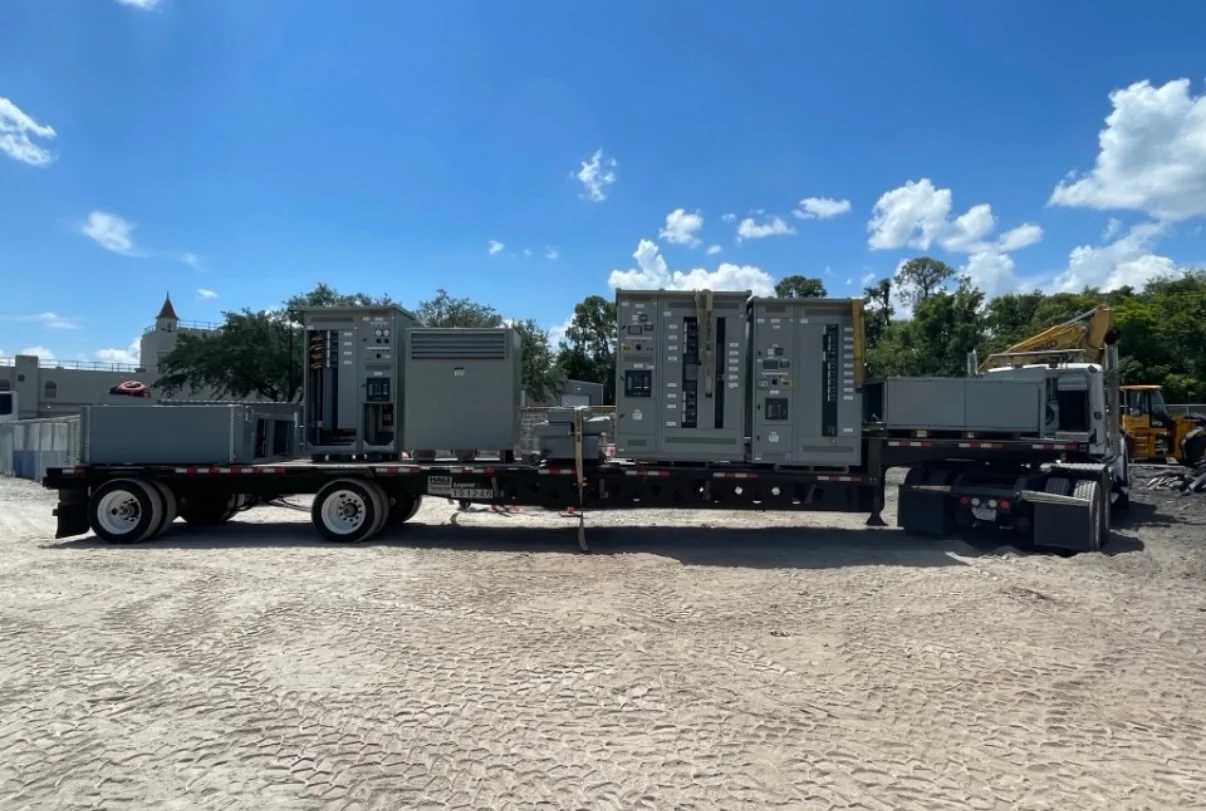
Delivery coordination affects whether replacement equipment can reach the site without disrupting the outage plan. Confirm the ship-to location, unloading equipment, dock or doorway dimensions, floor-loading limits, indoor storage conditions, delivery appointment process, and access route before release for shipment. Discuss packaging, shipment configuration, and any site restrictions with the manufacturer; delivery timing and availability remain project-specific and should be confirmed rather than assumed. At closeout, retain approved submittals, final drawings, breaker identification, test and inspection records, updated protection settings, and maintenance recommendations in the facility’s equipment history. Record discrepancies and unresolved work clearly so the next maintenance cycle starts with reliable information. This linkage between purchasing, receiving, safe installation, and records reduces avoidable delays and helps future teams make decisions based on the equipment actually installed.