Identify the Corrosion Exposure Before Selecting Protection
Corrosion protection starts with the equipment’s actual environment, not a general label such as “industrial.” Document whether the switchgear will be installed indoors or outdoors, exposed to salt air, chemical vapors, washdown, standing water, airborne dust, or condensation. Note nearby process equipment, ventilation patterns, doors, drains, and sources of fumes or spray; localized conditions can differ sharply within one facility. Record seasonal temperature and humidity changes, too, because temperature swings can create condensation even when direct water is absent. These details help the manufacturer evaluate enclosure construction, finish, hardware, and other project-specific options. Inadequate exposure information can lead to a finish that deteriorates prematurely or to an unnecessarily restrictive specification. Confirm conditions with facility and process teams before requesting a quote.
Specify the Enclosure Finish and Materials Precisely
A paint system, plating, stainless steel, and other corrosion-resistant materials are not interchangeable guarantees of service life. Selection depends on the corrosive agent, its concentration, exposure duration, cleaning practices, mechanical damage risk, and maintenance plan. Describe those factors in the specification and ask the manufacturer to identify proposed enclosure materials, surface preparation, coating system, and treatment of edges, seams, fasteners, and cutouts. Those details matter because corrosion often starts at damaged or poorly protected transitions rather than across an intact panel face. If a project requires a particular coating standard, color, or material, state it explicitly and confirm feasibility before design release. Do not assume a corrosion-resistant exterior finish also protects internal components, cable terminations, or field modifications.


Control Moisture, Condensation, and Contaminant Entry
Water management is part of corrosion control, but an enclosure’s protection depends on its evaluated design and installation—not on appearance or a broad claim of being “weatherproof.” Identify expected rain, spray, washdown, dust, and condensation, then confirm the required enclosure construction and any applicable evaluation for the complete assembly. Site details matter: roof leaks, pipe routes, nearby drains, cable-entry orientation, and conduit seals can expose equipment to moisture even when the enclosure is appropriately selected. Where condensation is a concern, discuss suitable project options with the manufacturer and engineer rather than assuming heaters, vents, or drains are automatically appropriate. Their effect on enclosure integrity and operating conditions must be evaluated. Keep chemical residues and standing water away during installation, and document any site-specific cleaning restrictions.
Protect Grounding, Connections, and Service Interfaces
Corrosion can affect more than cabinet surfaces. Oxidation or contamination at grounding points, bus connections, terminals, hinges, and door hardware may complicate inspection, impair electrical continuity, or make future service difficult. Ask the design team to identify interfaces that need particular material compatibility or protection, and ensure connection methods remain consistent with the equipment’s evaluated design and manufacturer instructions. Avoid specifying a coating or compound on electrical contact surfaces without approval; an apparently protective material can interfere with the intended connection. Include corrosion exposure in maintenance planning, with inspection intervals and acceptance criteria established by qualified personnel. If field drilling, cutting, or replacement of hardware is anticipated, obtain approved methods for restoring protection. Unreviewed alterations can create both corrosion paths and compliance concerns.
Build Exposure and Documentation into Procurement
A clear purchase specification reduces ambiguity between the facility, engineer, and manufacturer. Provide the one-line diagram, equipment ratings, installation location, environmental description, applicable project standards, interface requirements, and requested documentation with the inquiry. Call out any owner-specific coating, material, inspection, or submittal requirements instead of relying on a general phrase such as “corrosion protected.” Ask the manufacturer to identify assumptions, exclusions, proposed construction, and any unresolved compatibility questions for review before approval. This is especially important when equipment must coordinate with existing gear, cable systems, or process-area restrictions. Final ratings, construction, standards, and available options are project-specific. Review drawings and submittals against the site exposure and contract documents; a late specification change may affect design coordination, pricing, and the project schedule.
Coordinate Delivery, Storage, and Installation Conditions
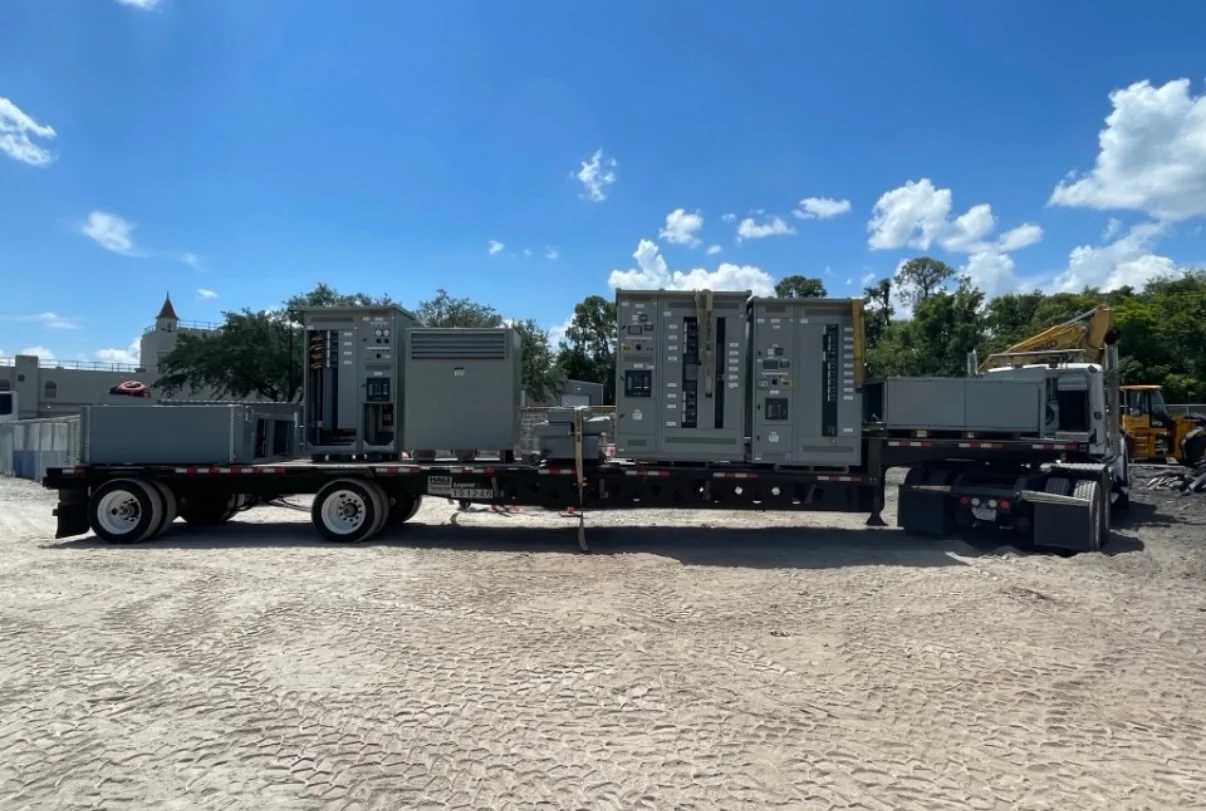
Corrosion protection can be compromised before switchgear reaches service. During procurement, coordinate shipping access, receiving responsibility, unloading equipment, indoor staging space, and the route from the delivery point to the electrical room. Confirm packaging, handling, storage, and inspection instructions for the specific assembly with the manufacturer; do not assume that temporary packaging is suitable for prolonged outdoor storage or a damp construction environment. Schedule delivery when the room is weather-tight, the equipment can be moved safely, and the installation team can inspect for transit damage. Record visible damage or moisture promptly and follow manufacturer guidance before installation. Nationwide shipping and short lead times may support planning, but dates and availability must be confirmed for the order. Keep required equipment de-energized during installation and service.