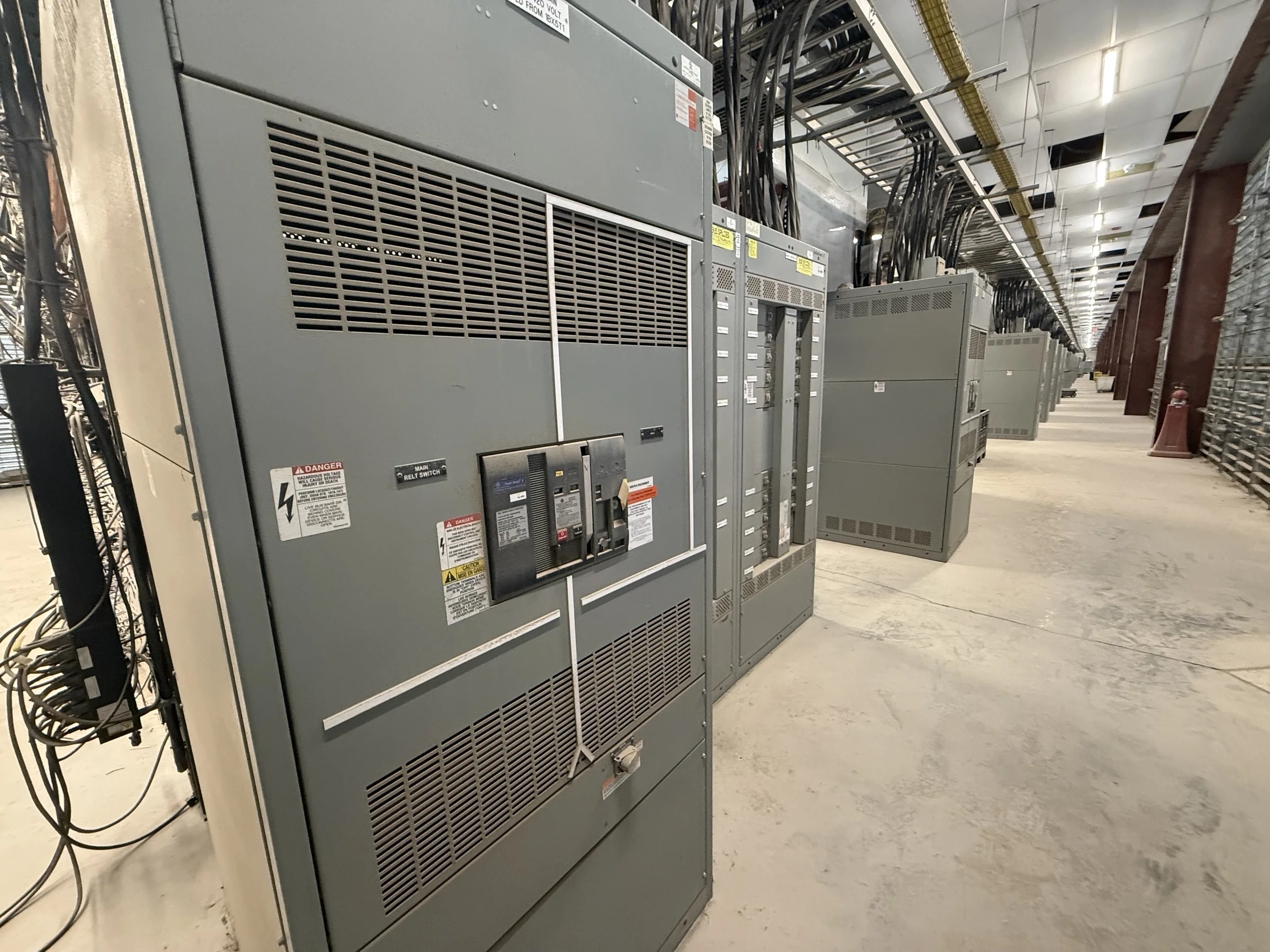
Define the Closeout Package Before Soliciting Quotes
A useful closeout starts with clear submittal expectations in the procurement documents, not a last-minute request after equipment ships. Identify which records the project needs, who reviews them, and when approved information must be available for coordination, installation, testing, and turnover. Typical items may include approved drawings, equipment schedules, wiring diagrams, bills of material, operating and maintenance information, and applicable test or conformity records. The exact package depends on the equipment, contract documents, and project requirements. For a new switchgear order, state whether the owner needs electronic files, printed copies, or both, and specify naming, revision, and file-format conventions. This helps the manufacturer prepare usable records and reduces gaps between the approved design and the documents handed to facility staff.
Align Drawings, Specifications, and the Equipment Scope
Closeout records are only useful when they describe the equipment actually furnished. During design review, reconcile the one-line diagram, equipment schedules, written specifications, and manufacturer drawings for system arrangement, ratings, protective devices, metering, control power, and incoming and outgoing connections. A mismatch—such as a feeder designation that differs between the drawing and schedule—can complicate installation checks and future troubleshooting. Record approved deviations and design changes through the project’s formal review process, then confirm the final document set reflects accepted revisions. Procurement teams should also clarify scope boundaries, including separately supplied breakers, controls, cables, or accessories, so turnover records do not imply they were included in the switchgear package. Ratings, compatibility, and applicable standards must be confirmed for the specific application.


Control Revisions and Approval Timing
Submittal timing affects more than the drawing-review calendar: decisions about room layout, cable entry, control interfaces, and utility coordination may depend on approved equipment information. Establish review milestones that leave time to resolve comments before the manufacturer releases the design for production. Keep a revision log identifying each submission, its status, and the disposition of comments; circulating an obsolete drawing can lead to misplaced conduit or conflicting field instructions. If the project changes after approval, document the change and ask the responsible parties to assess effects on equipment, cost, schedule, and closeout records. Short lead times may be available for some custom builds, but timing depends on project scope, component availability, approvals, and production conditions. Confirm the current schedule with the manufacturer rather than treating a preliminary estimate as a guarantee.
Plan Delivery Around Site Access and Readiness
A shipping date is not the same as a successful delivery. Before equipment is released, verify the receiving address, site contact, unloading responsibility, access route, delivery-hour restrictions, and any requirements for advance notice or appointment. Check doorway and corridor clearances, turning space, floor capacity, and staging location against the approved equipment arrangement and handling information. If switchgear arrives before the electrical room is ready, prolonged storage or repeated handling can create damage, security, and coordination risks; agree on a suitable receiving and storage plan instead. Nationwide shipping can support projects across the United States, but carrier arrangements, transit timing, and site conditions vary. Confirm the shipment plan for the actual destination, including how shortages or visible shipping damage should be documented and reported under project procedures.
Verify Installation, Testing, and Turnover Records
The closeout package should support safe commissioning and informed operation without substituting for qualified field work. Define which installation checks, inspections, and tests are required by the contract, applicable codes, manufacturer instructions, and responsible authorities, and identify who performs and records them. Keep field results distinct from factory documentation, and do not assume a test report exists unless the project scope calls for it and the responsible party provides it. Record approved field changes, final circuit and device identification, and unresolved exceptions so operations staff can distinguish the installed configuration from earlier design documents. All work on electrical equipment must follow applicable safety procedures, including establishing an electrically safe work condition when required; documentation does not authorize energized work. Confirm project-specific test and acceptance requirements before procurement.
Make Final Records Usable for Facility Operations
A complete handover is a practical operations tool, not simply a folder of files. Organize final approved drawings, equipment identification, operating and maintenance information, and applicable test records so facility personnel can locate the right document by lineup, section, or project tag. Confirm that labels and identifiers in the records match those installed in the field; inconsistent naming slows fault investigation and maintenance planning. Where the project includes low-voltage switchboard assemblies, clarify whether UL 891 applies to the specified assembly and what evidence the contract requires. It does not serve as a blanket certification for medium- or high-voltage equipment, and applicability must be confirmed for the actual product. Before acceptance, assign responsibility for collecting, reviewing, and delivering the final package in the required format.