Assess the Equipment Before Defining the Replacement
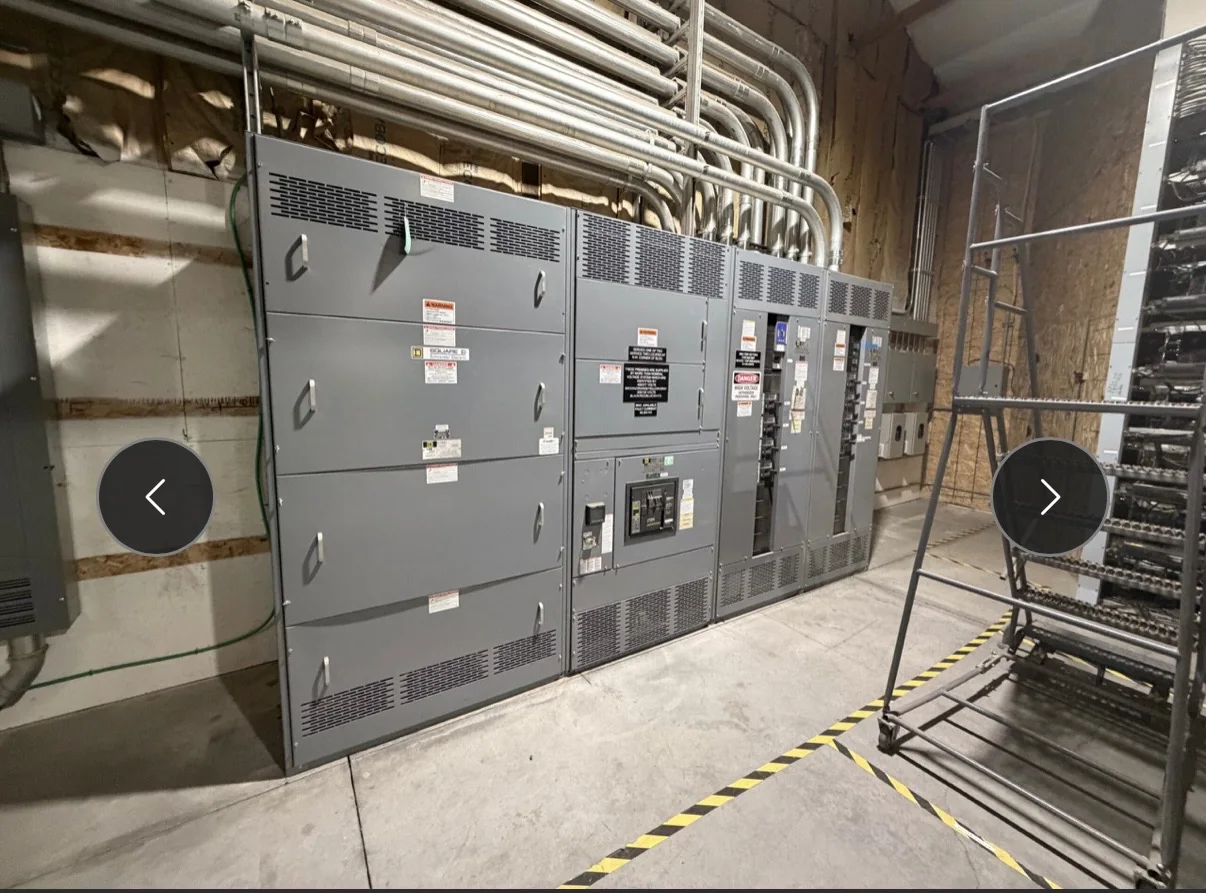
A condition assessment starts with the installed equipment, the service it performs, and the consequences of failure—not with a catalog selection. Record manufacturer and model information, nameplate ratings, construction type, installed options, and any available drawings or maintenance history. Note corrosion, heat discoloration, damaged insulation, water intrusion, contamination, unusual noise, and evidence of prior modifications. These observations help distinguish a repairable concern from a limitation that affects replacement planning, but a visual review alone cannot establish internal condition or safe operating capability. Have qualified personnel determine the inspection scope and required outage controls. For a new-equipment quotation, provide clear photographs and verified nameplate data where available; identify unreadable or missing information rather than guessing. That evidence gives engineers a sound basis for identifying questions and project-specific requirements.
Connect Condition Findings to System Requirements
An aging assembly may appear serviceable while no longer matching the electrical system or the facility’s operating needs. Compare its documented voltage, continuous current, short-circuit rating, frequency, phase, grounding arrangement, and configuration with current system information; confirm each value through reliable records and engineering review. Establish whether the equipment is a low-voltage switchboard, switchgear, or another assembly, because terminology and applicable standards are not interchangeable. Determine which loads, sources, tie breakers, metering, protective devices, and control interfaces must remain compatible. Changes in transformers, generators, utility service, or downstream loads can alter the design basis. A condition report should identify verified data, assumptions, and unresolved items separately. This prevents a replacement request from carrying forward an outdated rating or omitting an interface essential to safe coordination.


Evaluate Reliability, Access, and Operating Risk
Condition concerns matter in context: a defect on a rarely used, isolated section can create a different operational risk from deterioration affecting a critical feeder or common bus. Document which loads depend on each section, available redundancy, maintenance access, observed trips, and the practical effect of an outage. Record whether the lineup is exposed to dust, moisture, corrosive agents, vibration, temperature extremes, or restricted ventilation; environmental conditions can influence enclosure and component choices. Do not treat a clean exterior or a history of uninterrupted service as proof that internal parts are sound. Inspection methods, testing, and any decision to continue operation belong to qualified electrical professionals under applicable procedures. Clear risk documentation helps facility teams prioritize work, plan contingencies, and explain why replacement timing may be driven by operational exposure as well as visible deterioration.
Translate Findings into a Procurement Package
A useful request for quotation turns assessment findings into a reviewable scope without disguising unknowns as confirmed requirements. Include available one-line diagrams, equipment schedules, photographs, enclosure dimensions, cable entry and termination details, bus connections, control schematics, and protective-device information. Identify which documents reflect existing conditions and which show the intended design. State known site constraints, required interfaces, preferred American components if specified, and any project standards or submittal expectations. Ask the manufacturer to identify information needed to confirm fit, ratings, construction, and applicable evaluation. UL 891 applies to appropriately evaluated low-voltage switchboard assemblies; it is not a blanket certification for medium- or high-voltage equipment, and a project should not assume every assembly carries a UL label. Separating mandatory criteria from preferences makes technical review more efficient and exposes scope gaps before release.
Coordinate Replacement Timing Around Site Constraints
A replacement schedule depends on more than factory production. Before selecting a target date, map outage approvals, temporary power needs, demolition and installation windows, commissioning activities, and access restrictions. Measure the route from receiving point to electrical room, including door openings, turns, floor loading, overhead obstructions, and available staging space. Confirm who will unload and move the equipment, what lifting access is permitted, and whether building rules limit delivery hours or vehicle size. Provide these conditions early because a lineup that meets electrical requirements may still need a different shipping arrangement or installation sequence. Discuss current manufacturing timing directly with the U.S. manufacturer; custom configuration, component selection, design review, and document approval can affect the project schedule. Treat timing and availability as project-specific until confirmed in writing, not as a guaranteed lead time.
Plan Delivery, Verification, and Closeout
Delivery coordination should connect the approved submittal to the actual installation and turnover plan. Confirm shipment destination, receiving contact, site access, unloading responsibility, packaging inspection, and procedures for documenting visible transit damage. Compare delivered sections and identification against approved drawings before installation; resolve discrepancies through the project team rather than improvising field changes. Establish who will verify dimensions, anchorage, interconnections, control wiring, grounding, and protective-device settings, and who will authorize energization after required inspections and tests. Keep final drawings, equipment data, applicable test documentation, operating instructions, and maintenance information with facility records. For custom-built equipment shipped nationwide, distance makes clear ownership of delivery milestones and document revisions especially important. A condition assessment is most useful when its findings carry through procurement, field coordination, and verified closeout—not when the report ends at the quote.