Start With the Load Forecast, Not the Empty Space
An expansion can outgrow its electrical plan before construction begins. Document existing demand, expected new loads, operating schedules, motor-starting characteristics, and any planned electrification or process changes. Separate firm loads from future allowances so engineers can evaluate whether the project needs added distribution capacity, a new section, or a different lineup arrangement. The available floor area alone does not establish that equipment can be safely integrated. Confirm the system voltage, phase, frequency, available fault current, grounding method, and intended service conditions with the project engineer and utility where applicable. These inputs shape equipment ratings and coordination studies; assumptions made too early can force redesign, delay procurement, or leave the facility without the capacity the expansion was intended to provide.
Define the Interface With Existing Distribution
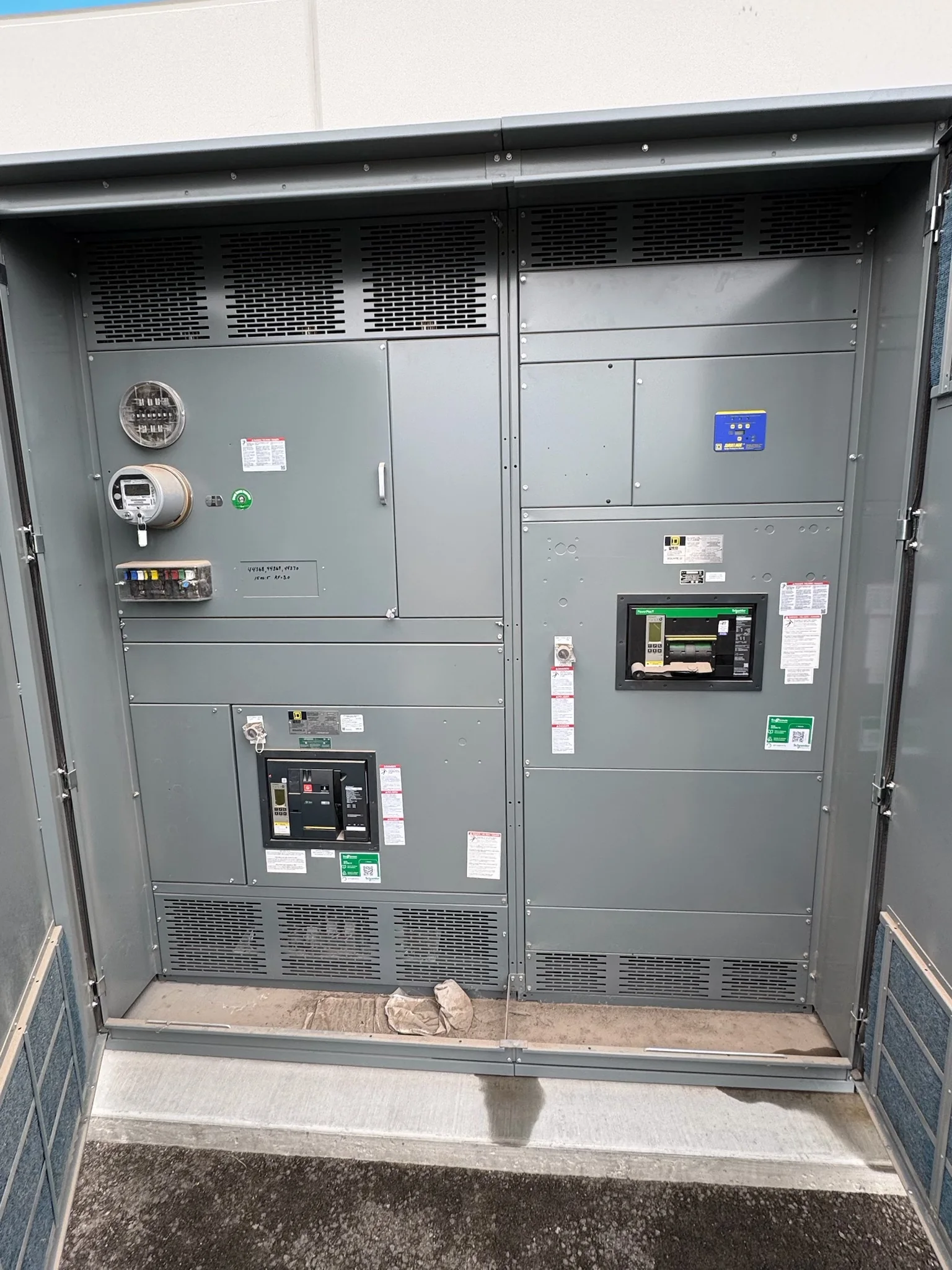
A new assembly must fit electrically and physically into the facility’s distribution scheme. Identify the source equipment, downstream feeders, protective devices, bus configuration, and metering or control interfaces that affect the proposed connection. Where an expansion adjoins existing switchgear, verify manufacturer, model, dimensions, bus details, elevations, and available connection points from reliable records and field review. Similar-looking equipment is not evidence of mechanical or electrical compatibility. Document whether the work is a standalone installation, an extension, or a replacement, and have qualified engineering personnel assess the interface. This distinction matters because a connection that cannot be validated may require a different arrangement, additional outage planning, or broader replacement scope. Treat every compatibility decision as project-specific, not assumed.


Set Ratings and Protection Requirements Early
Specify the operating conditions and performance requirements that govern equipment selection before requesting a firm proposal. The design team should establish system voltage, continuous current needs, short-circuit withstand or interrupting requirements as applicable, enclosure conditions, and protection and metering functions. A coordination and short-circuit study may identify constraints that are not apparent from nameplate capacity alone, including the effect of new sources, transformers, generators, or parallel operating modes. Provide the study basis and identify any pending inputs so proposals can state their assumptions. For low-voltage switchboard assemblies, UL 891 may be relevant when the assembly is appropriately evaluated for that standard; it is not a blanket certification for medium- or high-voltage equipment. Confirm exact ratings, standards, and labeling for the specified assembly.
Coordinate Drawings, Approvals, and Procurement
A complete bid package helps the manufacturer price the intended scope instead of guessing at unresolved details. Include one-line diagrams, equipment schedules, site plans, room layouts, applicable specifications, load information, and the required submittal and approval process. Identify owner-furnished items, control or communication interfaces, cable entry preferences, and any project standards that affect construction. Ask bidders to list exceptions, assumptions, required customer information, and documents needed before production release. Review arrangement and connection drawings against field conditions and adjacent equipment before approving them; late changes can affect both fit and procurement sequence. A U.S. manufacturer can discuss custom builds and American components, but component selection and availability depend on the project. Obtain confirmation for the actual bill of material and approved design.
Build the Schedule Around Real Project Milestones
Switchgear timing depends on the approved design, component availability, engineering inputs, and the project’s review cycle; a short quoted lead time is not useful unless its starting point and assumptions are clear. Work backward from the required installation and energization dates, allowing time for submittal review, drawing revisions, site preparation, shipping, receiving, and commissioning activities. Ask the manufacturer to identify schedule dependencies and communicate changes rather than treating an estimate as a guarantee. Align procurement release with the construction schedule, but avoid freezing design details before load studies and interfaces are settled. If the facility has a limited outage window, identify it early and coordinate sequencing with operations. A missed outage can postpone the expansion even when the equipment has arrived.
Prepare the Site and Coordinate Delivery
Before release, confirm the equipment room and delivery path can accommodate the final approved arrangement. Check doorway and corridor clearances, overhead obstructions, floor loading, housekeeping pads, access for rigging, working clearances, and the intended cable routes with the project team. Resolve ventilation, environmental exposure, and room access needs against the equipment design and applicable project requirements. Coordinate nationwide shipping with the receiving site: establish delivery hours, unloading responsibility, staging limits, storage conditions, and a contact authorized to inspect the shipment. Compare received sections and documents with the approved submittals, and report visible shipping damage promptly through the agreed process. Installation, inspection, testing, and energization require qualified personnel and approved procedures; all work on electrical equipment must be performed in the required de-energized condition.