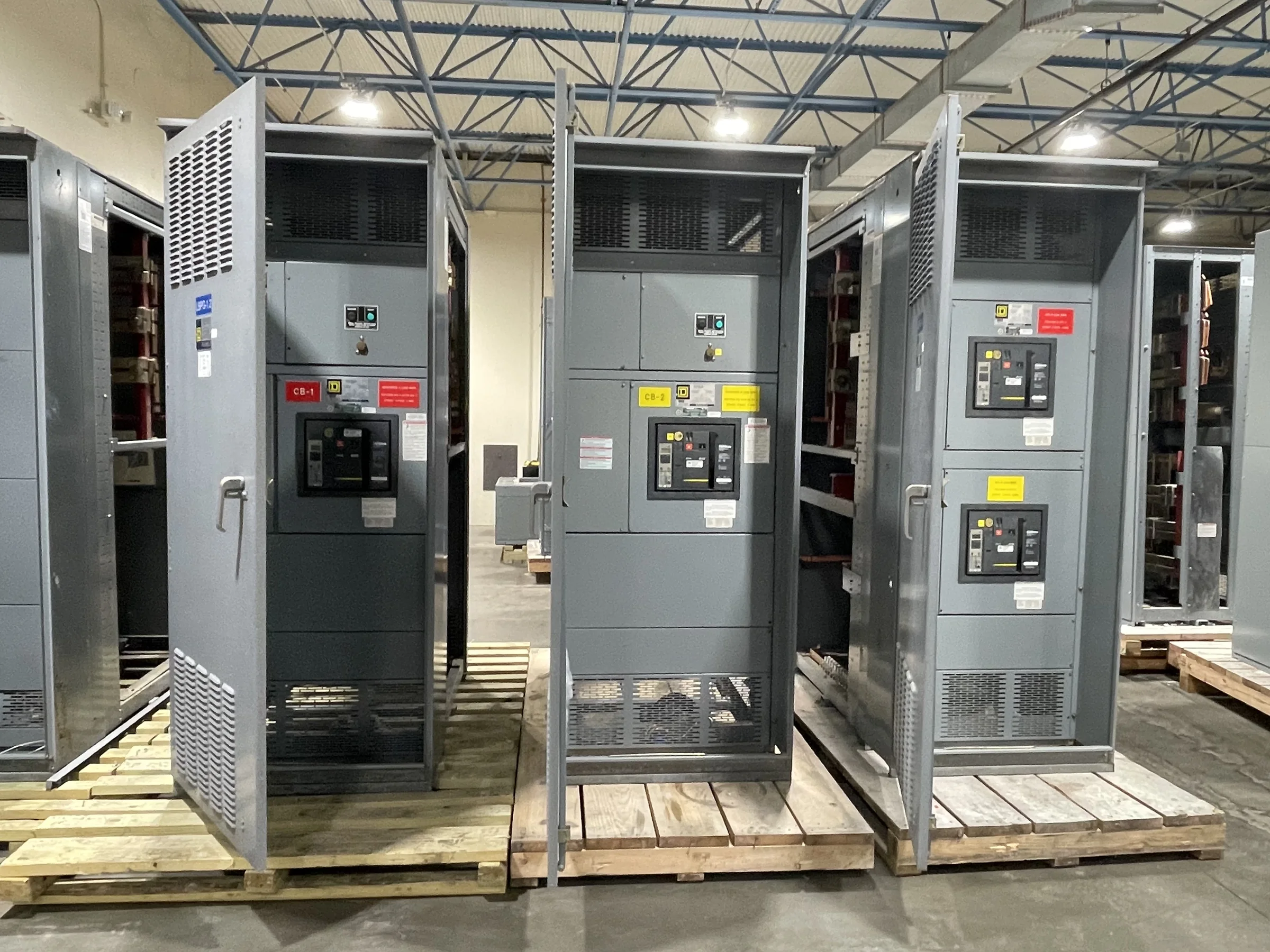
Define the Factory Test Package Before the Purchase Order
Factory test documentation is most useful when its deliverables are agreed before equipment enters production. In the inquiry or specification, identify the records your team needs for review, shipment release, turnover, and maintenance files. A package may include the approved equipment submittal, inspection and test records, applicable routine test results, nameplate or device schedules, and a record of documented exceptions. The exact contents depend on the equipment type, project specification, and manufacturer’s evaluation scope; do not assume that every test or third-party certification applies to every assembly. Naming required formats, review contacts, and submission milestones in the purchase documents helps prevent late requests that can delay approval or complicate site acceptance. Confirm which documents are included with the quotation and which require separate coordination.
Match Test Evidence to the Equipment and Specification
A switchboard, metal-enclosed medium-voltage lineup, and other distribution assemblies do not share one universal factory test checklist. Ask the manufacturer to identify which inspections and tests apply to the equipment being quoted, which standard or project requirement governs them, and how results will be recorded. For low-voltage switchboard assemblies, UL 891 may be relevant when the assembly is appropriately evaluated; it is not a blanket certification for medium- or high-voltage equipment. The project engineer should resolve conflicts among drawings, specifications, and owner requirements before approval, rather than relying on a generic statement that equipment is “tested.” Clear traceability between the approved design, equipment identification, and recorded results gives reviewers a stronger basis for evaluating exceptions and confirming what was actually supplied.

Resolve Design Changes Before Tests Are Recorded
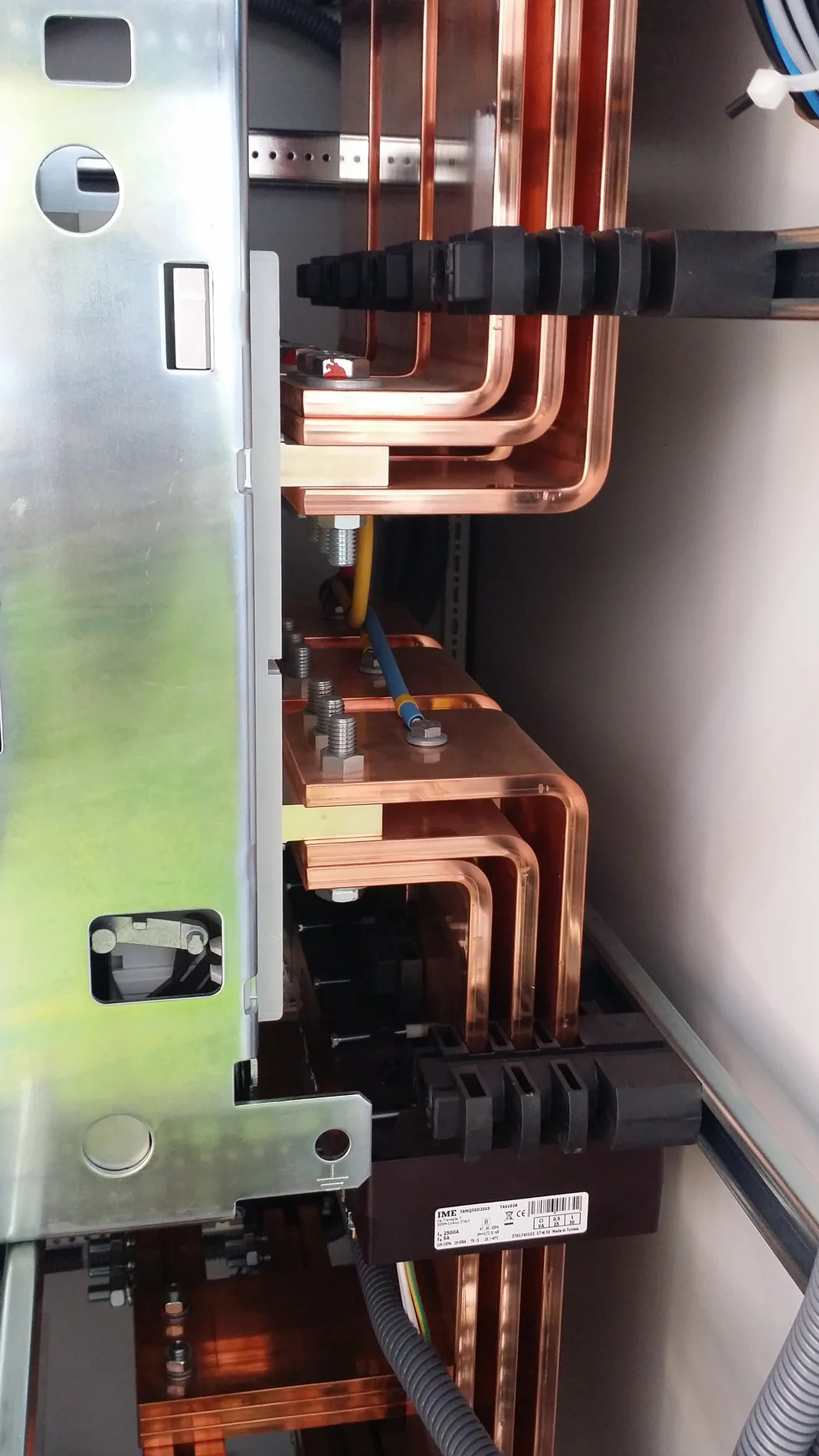
Factory records describe a particular configuration, so late design changes can make an otherwise complete package difficult to interpret. Confirm the approved one-line diagram, elevations, circuit and device schedules, control-power requirements, metering, communications, and accessory selections before the test plan is finalized. When a revision changes a tested component or assembly arrangement, ask the manufacturer and project engineer to determine whether documentation or additional evaluation must be updated. Do not treat a redline, substitution, or field modification as automatically covered by earlier records. A revision log that identifies the drawing version used for production and testing can prevent discrepancies during commissioning. This matters especially when procurement, engineering, and the site team use separate document systems: each needs the same controlled revision and a clear disposition of open comments.
Plan Witnessing Around Review and Production Milestones
If the contract calls for a witnessed factory test, define the witness scope, attendees, notice process, and acceptance criteria while the schedule is being established. Confirm whether the event is an inspection, a review of test results, or a specified test activity; the terms are not interchangeable. Align drawing approval, any required customer comments, and witness availability with the manufacturer’s production plan, since unresolved documents or missed coordination can affect shipment readiness. Ask how test records and any punch-list items will be issued, reviewed, and closed, and whether the equipment remains on hold pending acceptance. Avoid assuming a witness event replaces required site checks or commissioning. For projects with tight outage windows, early agreement on review dates gives the facility team more time to coordinate receiving, installation, and downstream work.
Make Documentation Usable for Receiving and Commissioning
A complete factory record should be easy to connect to the equipment arriving at the site. Before shipment, confirm that the package identifies the assembly, relevant sections or devices, document revisions, test date or record identifiers where applicable, and any exceptions that remain open. Provide the approved documents to the commissioning agent and facility staff in time for planning, while distinguishing factory results from field inspection and startup records. Factory testing cannot establish that shipping, storage, installation, wiring, grounding, or site conditions have left equipment ready for service. The commissioning plan should address those separate checks under the project’s safety procedures and applicable requirements. This distinction matters because a missing handoff can lead to repeated reviews, unresolved deficiencies, or misplaced confidence that factory documentation alone proves installation readiness.
Coordinate Delivery, Storage, and the Final Document Set
Delivery planning affects whether factory records remain useful through installation and turnover. Confirm the receiving location, access restrictions, unloading responsibility, storage conditions, shipment sequence, and document recipients before equipment is released; project-specific dimensions, weights, and handling instructions should be verified from approved submittals rather than assumed. For a U.S.-manufactured custom build, discuss production milestones and nationwide shipping arrangements with the manufacturer, but treat timing and availability as project-specific, not guaranteed. Ask whether the final document set will reflect approved changes and how revised files will be identified. Facility teams should preserve records with asset data, maintenance instructions, and later commissioning documents in the site’s controlled system. A reliable handoff reduces search time during troubleshooting and helps future staff distinguish original factory evidence from later field changes.