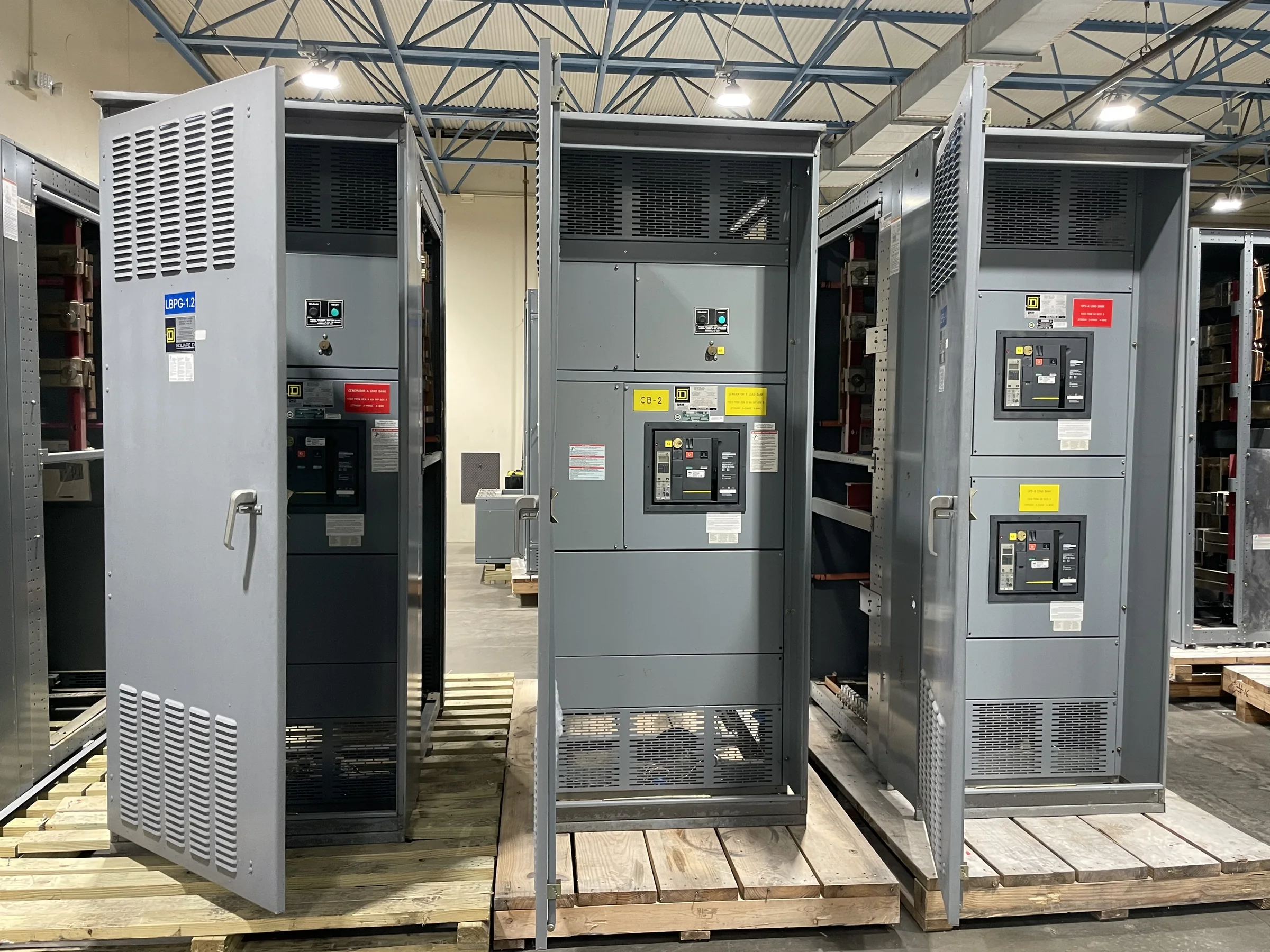
Inspect the Shipment Before Unloading
Freight damage inspection starts before the equipment leaves the truck. Compare the shipment with the bill of lading, packing list, and purchase-order description, confirming the number of sections, crates, loose accessories, and visible identification labels. Photograph each load from several angles while it is still secured; once sections are moved or packaging is removed, it can be harder to establish where damage occurred. Look for crushed corners, punctures, broken bands, shifted skids, water staining, and evidence that a crate tipped or was struck. Note concerns on the carrier’s delivery receipt before signing, using clear descriptions rather than a general remark such as “subject to inspection.” Follow the carrier’s and supplier’s instructions for reporting exceptions, since documentation and notice requirements can affect a freight claim.
Use a Safe, Planned Unloading Area
A damage check is useful only if the shipment can be handled safely. Before the truck arrives, confirm that the receiving area has suitable access, adequate overhead and turning clearance, a stable surface, and a planned route to the equipment’s staging location. Coordinate unloading equipment and qualified personnel with the shipment’s actual dimensions, weight, and handling points; do not assume adjacent sections can be lifted or moved as one assembly. Keep the load restrained until the person directing the lift determines it is safe to release. If a crate is visibly unstable, a skid is broken, or the available equipment cannot control the load, pause unloading and contact the carrier and supplier for direction. Protect people, equipment, and the claim record before prioritizing schedule.


Check Packaging and Environmental Exposure
After unloading, inspect the packaging before opening it and record its condition, including damaged seals, torn weather barriers, pooled water, and any signs of condensation. Packaging can reveal exposure that is not obvious on the exterior of an enclosure, especially after a long route, a transfer between carriers, or a delay in an uncovered staging area. If the equipment appears wet or has been exposed to moisture, do not energize it or assume that drying the outside resolves the concern. Keep the sections protected from additional weather and ask the manufacturer for project-specific inspection and handling guidance. Document when the condition was discovered and whether the shipment remained covered. This information helps distinguish freight-related exposure from later storage conditions and informs decisions about inspection, repair, or replacement.
Examine the Assembly Without Altering It
Once the manufacturer’s instructions permit packaging removal, compare each section’s nameplate and shipping identification with the approved equipment schedule and project documents. Inspect accessible enclosure surfaces, doors, hinges, handles, barriers, and visible components for impact, deformation, loose parts, or displacement. Look for openings or distortion that could affect alignment, enclosure integrity, or planned connections. Do not force a door, straighten bent metal, tighten internal connections, or remove protective materials simply to make the equipment appear ready for installation; an unrecorded change can obscure evidence and may affect later evaluation. Photograph the condition before moving loose items, and keep accessories with their identified section. Internal examination, testing, and any determination of suitability should follow manufacturer direction and be performed by qualified personnel under the applicable project requirements.
Connect Findings to Project and Claim Records
A useful inspection file links each observation to a specific shipment item. Record the delivery date, carrier, bill-of-lading number, purchase-order reference, section identification, packaging condition, and location of each observed mark or suspected defect. Take close-up images as well as wider views that establish which section is shown, and retain the original files with the receiving report. Preserve damaged packaging and displaced components when practical, since the carrier, manufacturer, or insurer may request evidence before authorizing disposition. Notify the appropriate parties promptly and follow their written instructions for claim deadlines, inspection access, and repair approval. Avoid discarding, modifying, or returning affected material without authorization. Clear records help procurement, engineering, the carrier, and the supplier decide whether the issue is cosmetic, affects installation, or warrants further technical review.
Coordinate Resolution Before Installation
Do not release a damaged or questionable section for installation merely because the delivery schedule is tight. Share the inspection record with the manufacturer and project engineer so they can assess the reported condition against the approved drawings, equipment configuration, connection plan, and applicable requirements. A decision may involve additional inspection, an authorized repair, replacement planning, or confirmation that a documented condition does not affect intended use; the proper response depends on the assembly and the observed damage. Meanwhile, protect the equipment in storage, maintain its required environmental conditions, and keep it segregated if its status is unresolved. Confirm in writing who may approve corrective work and whether field changes could affect fit, coordination, or project documentation. Delivery timing and replacement availability are project-specific, so communicate schedule impacts early rather than relying on an assumed recovery date.