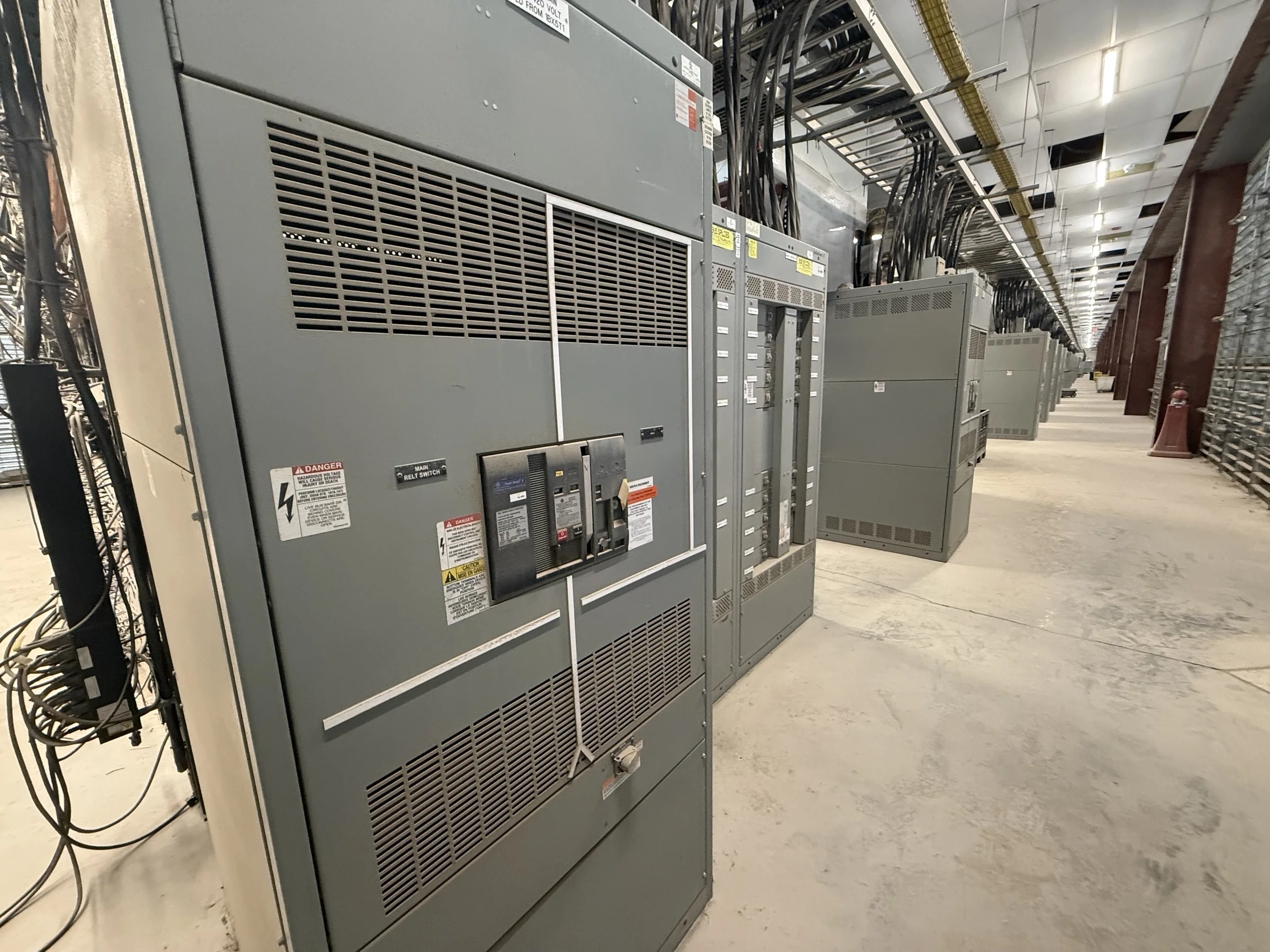
Define the Inspection Scope Before Specifying Equipment
Infrared inspection planning begins with the equipment boundary, not a camera appointment. Identify the switchboards, switchgear lineups, transformers, bus connections, feeder sections, and other components the inspection is intended to assess. Record equipment tags, locations, voltage class, configuration, and the operating areas each section serves; these details help the inspection team relate thermal findings to the correct assets. Decide whether the work is a recurring maintenance survey, a post-installation baseline, or part of an investigation, because each purpose can call for different records and comparisons. When planning a replacement or new installation, discuss inspection access and documentation with the manufacturer while the design is still being developed. The final scope and applicable inspection criteria should be confirmed by qualified project personnel.
Coordinate Design Details With Safe Inspection Access
A design that is easy to inspect can reduce future maintenance disruption, but access must be resolved without compromising electrical safety or equipment requirements. Review proposed enclosure arrangements, working clearances, barriers, doors, and any provisions for inspection with the responsible engineer and qualified electrical contractor. Infrared surveys are commonly planned for equipment in operation, so do not treat opening a door, removing a cover, or approaching exposed parts as routine or automatically acceptable. Whether a survey can be performed through an appropriate viewing provision, or requires another method, depends on the equipment design, site procedures, and qualified assessment. Specify inspection access needs early, then verify the final arrangement against project documents and applicable safety practices. Never plan to bypass guarding or perform energized work without required controls and authorization.


Choose Timing Around Load, Outages, and Operations
An inspection is most useful when its timing supports the purpose of the survey and the facility’s operating conditions. For a thermal comparison, the inspection team may need equipment under a representative load; a lightly loaded lineup can conceal heating that would appear during normal demand. Coordinate planned operating conditions with facility operations, while recognizing that acceptable loading and survey procedures must be determined by qualified personnel. If a new lineup is being installed, distinguish commissioning and acceptance activities from later condition-monitoring inspections, and do not assume one replaces the other. Align the schedule with outage windows, production cycles, access permits, and any required shutdown work. Where conditions are unsuitable, document the limitation and plan a follow-up rather than treating an incomplete survey as a conclusive baseline.
Prepare Records That Make Findings Actionable
Inspection results are easier to evaluate when the survey can be matched to reliable equipment and circuit information. Assemble current one-line diagrams, panel schedules, equipment identifiers, nameplate data, feeder descriptions, and available maintenance or load records before the visit. Confirm that field labels agree with drawings; mismatches can delay interpretation or send corrective work toward the wrong circuit. For new equipment procurement, request project documentation appropriate to the agreed scope, and establish how final tags and drawing revisions will be coordinated with installation. The inspection report should identify the observed equipment and conditions, note relevant limitations, and distinguish measured findings from recommended follow-up. Agree in advance who receives the report, who evaluates findings, and how urgent concerns are escalated under the facility’s procedures.
Account for Site Conditions and Delivery Coordination
The inspection plan should reflect the actual facility, not just the equipment schedule. Dust, moisture, corrosive atmospheres, vibration, restricted access, temperature, and nearby process hazards may affect enclosure selection, maintenance planning, or the conditions under which a survey can be conducted. Identify these exposures during specification review so the manufacturer and project engineer can assess suitable construction without assuming a particular enclosure or rating is appropriate. For a replacement lineup, verify room access, door and aisle clearances, removal route, receiving space, rigging path, and connection constraints before delivery is scheduled. Provide these details early when requesting a quote; they can influence equipment arrangement and shipping coordination. Nationwide shipment does not resolve site handling, installation, or access requirements, which remain project-specific.
Turn Inspection Needs Into Procurement Requirements
A useful request for quotation connects the inspection objective to the equipment being purchased. Provide the intended application, system information, operating environment, required lineup arrangement, connection details, project schedule, shipping destination, and known inspection-access constraints. Ask the manufacturer to identify assumptions and items requiring engineering review rather than treating preliminary selections as guaranteed design values. New switchgear can be built around project requirements, with American components and custom configurations offered subject to the application, availability, and final specifications. If the scope involves low-voltage switchboard assemblies, UL 891 may be relevant where the assembly is appropriately evaluated; it is not a blanket certification for medium- or high-voltage equipment. Confirm ratings, compatibility, standards, evaluation, and delivery timing for the specific project before release.