Choose the Metering Arrangement Before Finalizing the One-Line
Start by identifying what the meter must measure and who will use the readings. A utility revenue meter, a facility-wide energy meter, and branch-level monitoring serve different purposes, so the required locations and functions should appear on the one-line diagram before the switchgear layout is settled. Confirm whether readings are needed for billing, demand tracking, tenant allocation, operating decisions, or several of these uses. Those objectives influence the number of metering points, the measurements required, and how the equipment must interface with the utility or facility systems. Include the serving utility’s metering requirements in the project criteria; utility rules are not interchangeable. Resolving these choices early helps avoid a late layout change that can affect compartments, wiring, review, and procurement.
Coordinate Instrument Transformers, Meter Inputs, and Ratings
Metering depends on more than selecting a meter model. Voltage transformers and current transformers, where required, must be suitable for the application and coordinated with the switchgear’s electrical ratings, metering purpose, and connected instruments. The engineer should define the system voltage, current range, measurement accuracy requirements, and whether metering is for revenue or operational use. Confirm transformer ratios and secondary connections with the meter manufacturer and applicable utility requirements rather than carrying assumptions from an older installation. The switchgear supplier needs these decisions to develop the arrangement and wiring documentation. Incorrect or incomplete transformer data can produce unsuitable readings, require redesign, or complicate approval. Final ratings, configurations, and compatibility remain project-specific and should be reviewed by the responsible electrical engineer and utility.


Decide Where Readings Must Be Viewed and Communicated
A metering package may serve an operator standing at the switchgear, a building automation system, an energy platform, or more than one destination. Specify which readings are required, where they must be available, and whether local display, remote communication, or both are needed. If the meter is expected to connect to a facility network, identify the required communications protocol and coordinate network responsibilities with the controls team; do not assume that a meter’s port guarantees integration with existing software. Establish who supplies and configures gateways, cabling, and monitoring systems, and clarify any points list or data format required for acceptance. Addressing these details during procurement reduces commissioning disputes and helps ensure the purchased metering arrangement supports the facility’s intended operating workflow.
Allow for Access, Visibility, and the Physical Switchgear Layout
Metering choices affect the arrangement of the equipment, not just the instrument list. Review the proposed location of meters and associated devices against normal operating access, visibility, door swing, cable routing, and the available electrical-room footprint. A display that is difficult to read or reach can undermine routine monitoring, while a late request for additional metering can require changes to compartment space or internal wiring. Provide room dimensions, equipment orientation, cable-entry preferences, and any architectural or egress constraints with the request for quotation. Also identify environmental conditions such as dust, moisture, temperature, or vibration that may affect the selected equipment or installation. The manufacturer can develop a project-specific layout from confirmed requirements, but final suitability must be checked against site conditions and applicable codes.
Build the Metering Package into the Quote and Submittal Review
A useful request for quotation includes the latest one-line diagram, equipment ratings, metering schedule, utility criteria, and the intended monitoring interfaces. Mark requirements that are mandatory and distinguish them from preferred options so the proposed scope can be reviewed accurately. Ask the manufacturer to identify included meters, instrument transformers, wiring, communication provisions, and items expected from others; scope gaps are easier to resolve before an order than during installation. During submittal review, verify that the proposed arrangement matches the approved diagrams and that meter functions, ratios, and interfaces align with the project documents. Any substitution or changed requirement should be reviewed by the engineer and utility where applicable. UL 891 applies to appropriately evaluated low-voltage switchboard assemblies, not as a blanket certification for all switchgear or metering components.
Plan Review, Production Timing, and Delivery Around Site Readiness
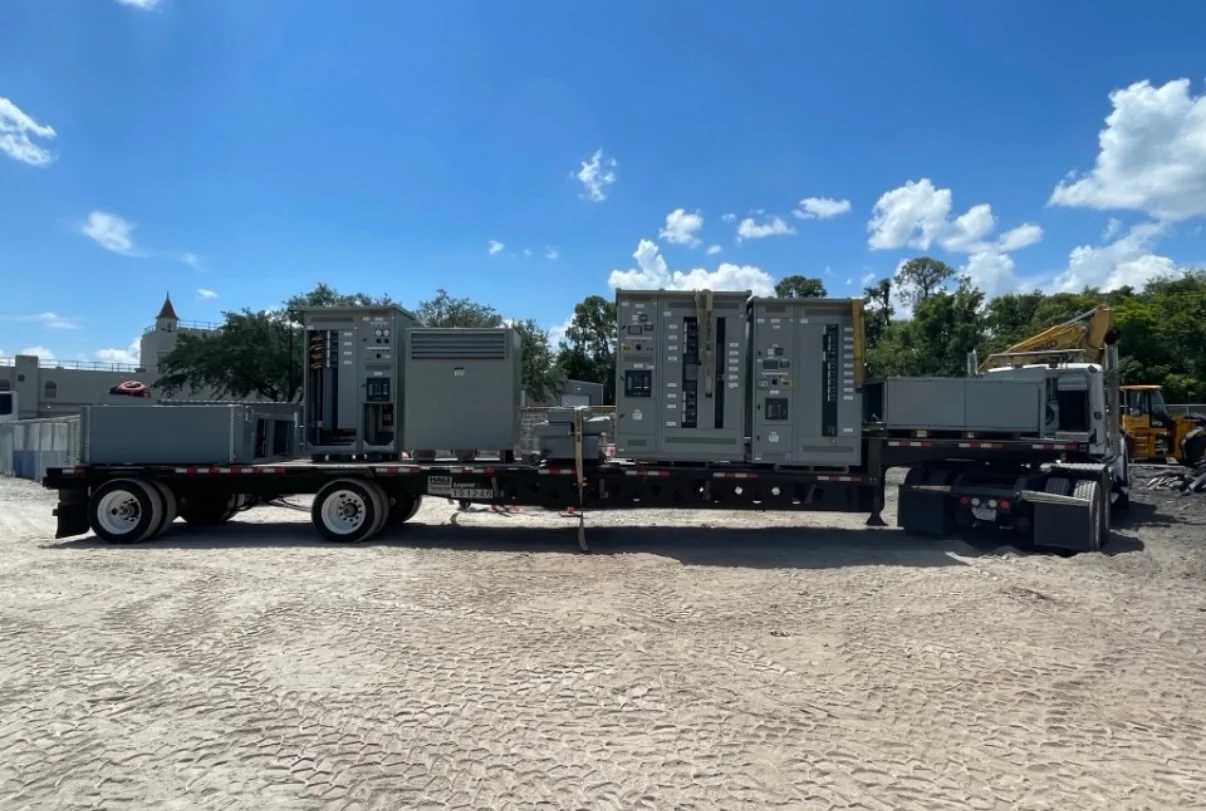
Metering decisions can influence drawing review, component coordination, and the release of equipment for production, so provide complete requirements when discussing schedule. Custom configurations and component availability vary by project; request a current schedule assessment rather than relying on a general lead-time assumption. Confirm who will review utility metering drawings, who can approve submittals, and how quickly comments or revisions can be returned. For delivery, coordinate the shipping route, receiving hours, unloading equipment, staging space, and sequence with the site team before the equipment is ready to ship. Check that the electrical room and access path can accommodate the specified sections. A U.S. manufacturer can discuss project-specific build and nationwide shipping arrangements, but timing, configuration, and delivery details should be confirmed for each order.