Start With the Building’s Actual Distribution Needs
A modernization project should begin with how the building is used, not with a presumed like-for-like replacement. Review one-lines, equipment schedules, load data, available fault-current information, and records of later additions to identify what the existing lineup serves and where capacity or coordination concerns arise. Commercial buildings may combine tenant panels, elevators, HVAC, fire and life-safety systems, and standby sources; changes to one feeder can affect several operating areas. Confirm which loads must remain available, which can be transferred, and what future tenant or equipment changes are reasonably expected. This review gives the manufacturer a sound basis for developing a new equipment package and helps the owner compare options against documented requirements rather than relying on nameplate assumptions.
Turn Field Conditions Into a Buildable Specification
The drawings rarely capture every constraint inside an older electrical room. Record enclosure dimensions, access and working clearances, cable entry and exit directions, conductor routing, grounding arrangements, and the condition of connected gear that will remain. Check doorways, corridors, elevators, loading areas, and any turns on the route from receiving to the final location; a lineup that fits on paper may not be movable through the building. Include site photographs and measured dimensions with the bid package, while marking dimensions that still require field verification. Document environmental conditions such as indoor location, ventilation, moisture exposure, and contamination where relevant. These details affect equipment configuration and installation planning, but final dimensions, ratings, and compatibility must be confirmed for the specific project.


Define Electrical Ratings and System Interfaces Early
Specify the system voltage, frequency, phase and wire configuration, bus requirements, protective-device functions, and the short-circuit and coordination criteria that apply to the installation. Provide available fault-current data and the source-transformer or utility assumptions behind it; protective-device selection and assembly evaluation depend on the actual system context. Identify normal and emergency sources, generator or transfer-switch interfaces, metering needs, control power, and any building-management connections. Do not assume an existing rating transfers automatically to new equipment or that a product standard applies to every voltage class. UL 891 relates to appropriately evaluated low-voltage switchboard assemblies, not a blanket certification for medium- or high-voltage gear. The project team should verify applicable codes, standards, labels, and acceptance requirements against the final design and jurisdiction.
Coordinate Replacement Work Around Occupied Operations
In an occupied commercial building, outage planning can be as consequential as equipment selection. Establish which tenants and critical systems depend on each section, who has authority to approve interruptions, and whether temporary arrangements are needed while the new assembly is installed. Map dependencies involving elevators, ventilation, access control, communications, refrigeration, and life-safety functions before setting a shutdown sequence. The electrical contractor and facility team should determine the work plan, required permits, testing, and safe isolation; de-energized work is essential, and any proposed temporary supply requires qualified engineering and review. Agree on review milestones for drawings, submittals, and site measurements so manufacturing decisions do not collide with access or outage windows. No schedule should be treated as firm until scope, approvals, and site readiness are aligned.
Prepare Submittals and Procurement Information That Resolve Risk
A useful request for quotation includes the one-line diagram, equipment schedules, project specifications, fault-current and coordination information, preferred options, delivery destination, and required review or shipment dates. State clearly what is fixed and what may be proposed as an alternate; vague language can produce bids that appear comparable but omit different functions. Ask for drawings showing outline dimensions, bus arrangement, device layout, connection locations, and interfaces with retained equipment, then route them to the engineer of record and relevant contractors for review. Identify required documentation, such as installation, operation, and maintenance information, test or inspection records, and identification schedules, according to the contract and applicable requirements. A U.S. manufacturer can discuss American components and custom-build possibilities, but component origin, configuration, evaluation, and availability should be confirmed in the project quote.
Plan Receiving, Installation, and Future Maintenance
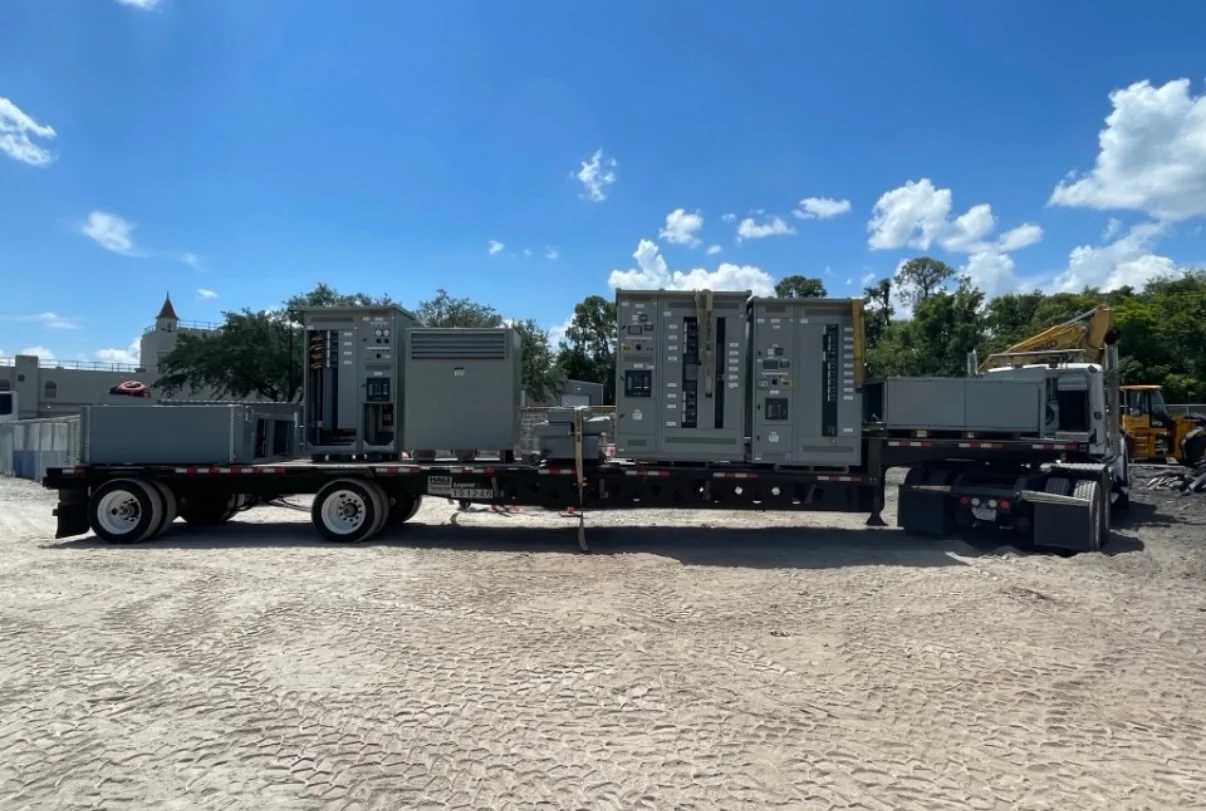
Treat delivery as part of the equipment package rather than a final freight detail. Confirm the receiving contact, site access hours, unloading capability, laydown space, weather protection, and route to the electrical room before release; limited docks or occupied loading zones can delay a carefully scheduled installation. Coordinate shipping milestones with approved drawings and the contractor’s readiness, while recognizing that lead time and nationwide delivery arrangements depend on the project scope and current availability. Before installation, reconcile the delivered equipment against approved submittals and verify that the room, grounding provisions, conduit or cable pathways, and connection plan are ready. After commissioning by qualified personnel, retain final drawings, settings, labels, and maintenance information with facility records. Clear documentation helps future teams troubleshoot changes without relying on undocumented assumptions.