Plan Modernization Around Critical Load Risk
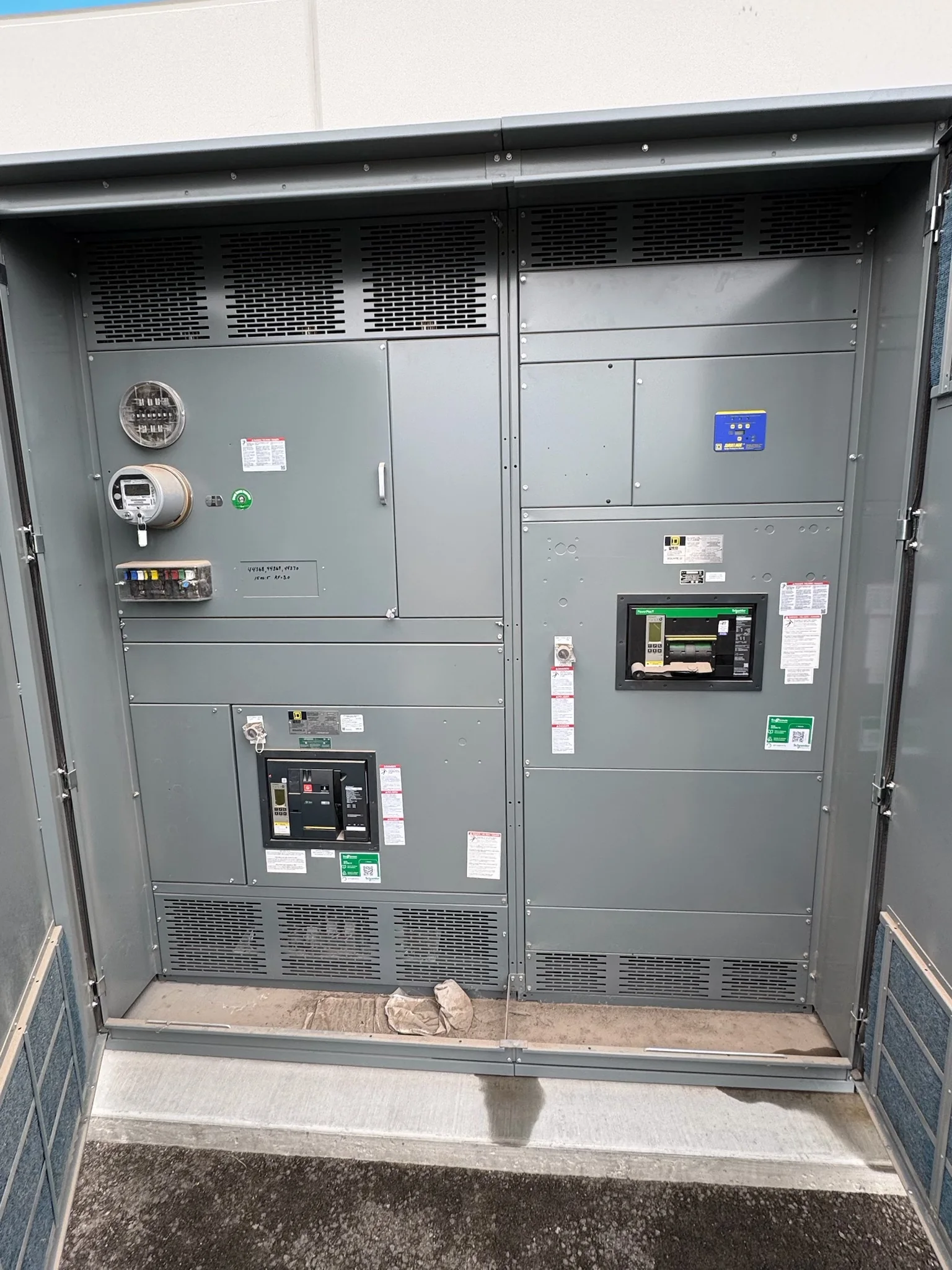
Data center switchgear modernization begins with a clear picture of which loads cannot tolerate interruption, how redundancy is arranged, and where existing distribution limits growth. Map utility service, generators, UPS systems, transfer equipment, and downstream switchboards so the proposed equipment fits the actual one-line—not an assumed topology. Identify maintenance bypass paths, normally open ties, and any shared sections that could create a common failure point. These details affect section layout, bus configuration, protective-device coordination, and the sequence for replacing equipment. A U.S. manufacturer can build new distribution equipment to project requirements, but final compatibility depends on documented system conditions and engineering review. Resolve operating philosophy and scope boundaries before requesting a firm equipment configuration.
Translate Electrical Studies Into Equipment Requirements
Protection and arc-flash studies help turn a modernization goal into actionable switchgear requirements. Provide available fault current, grounding method, protective-device settings, coordination objectives, and the latest one-line diagram; changes in utility contribution, generator operation, or transformer impedance can alter interrupting and withstand requirements. Confirm whether the project calls for service entrance equipment, distribution switchboards, or medium-voltage gear, since standards and construction details differ by equipment class. UL 891 applies to appropriately evaluated low-voltage switchboard assemblies, not automatically to every lineup or to medium- and high-voltage equipment. Request submittals that identify the proposed construction and applicable evaluation basis. Ratings, standards, and listing applicability must be confirmed for the specific design and installation.


Coordinate New Equipment With Existing Infrastructure
A replacement lineup must connect to the facility’s real-world conditions, including cable approach, bus duct interfaces, grounding, control wiring, and available floor space. Older equipment drawings may not reflect field changes, so verify dimensions, conductor entry, room access, and equipment orientation before releasing a build. For data centers, front and rear working clearances, overhead services, cooling airflow, and egress can constrain section depth or lineup placement. Document existing breaker types and functions without assuming they can be reused or directly replaced; interface and protection compatibility require engineering confirmation. Early dimensional review reduces redesign risk and helps the facility determine whether equipment can be moved into the electrical room, staged nearby, and installed within the planned outage window.
Build an Outage and Phased-Work Plan
The equipment purchase is only one part of a modernization schedule: survey, approved drawings, manufacturing, shipping, installation, testing, and return-to-service activities all affect the critical path. Identify outage windows and load-transfer constraints early, then define which party owns temporary power, switching procedures, field terminations, commissioning, and acceptance records. Where the data center has multiple electrical paths, a phased approach may reduce the amount of capacity affected at once, but it must preserve the intended redundancy during each phase. Do not treat a redundant path as available without confirming its capacity, operating state, and protection. Short lead times may be available depending on scope and component availability; confirm schedule assumptions, drawing approvals, and delivery milestones against the actual project.
Prepare Submittals for Procurement and Review
A complete request for quotation should include the one-line diagram, equipment schedule, specified ratings, control requirements, site dimensions, cable details, and applicable project standards. Add the desired lineup arrangement, metering and communication interfaces, spare provisions, paint or enclosure requirements, and any owner-specific documentation needs. Procurement teams should distinguish mandatory requirements from preferences and identify approved substitutions or domestic-component expectations for evaluation. Engineers need drawings and data sufficient to check interfaces, protective-device selections, and installation constraints before manufacturing proceeds. Ask the manufacturer to state exclusions, assumptions, and items requiring customer confirmation; unresolved scope can surface as schedule or change-order risk. Final design, component selection, availability, and conformance remain project-specific and should be documented in approved submittals.
Coordinate Delivery With Data Center Site Logistics
Nationwide shipping does not remove the need to plan the final route from truck to electrical room. Confirm delivery access, dock or crane arrangements, turning clearances, floor loading, elevator limits, unloading responsibility, and whether the lineup must be split for movement. Data centers may restrict delivery hours, require advance security coordination, or limit staging space because adjacent construction and live operations continue at the same time. Establish packaging, storage, inspection, and damage-reporting expectations before shipment, especially if equipment cannot be installed immediately. Align delivery milestones with approved drawings and the site’s receiving plan rather than relying on a general lead-time estimate. A U.S. manufacturer can discuss build and shipping coordination, while exact dates and transport arrangements depend on the order and destination.