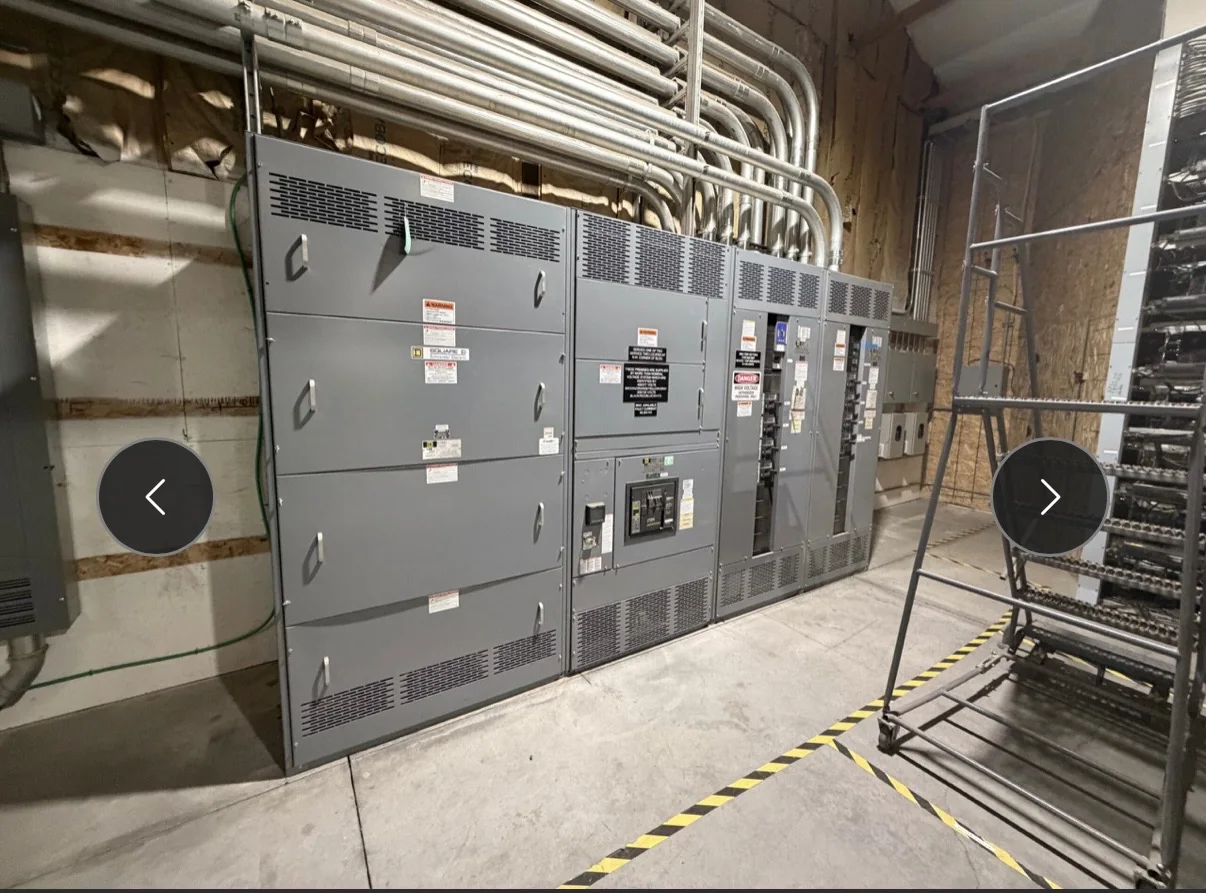
Modernize Around the Facility’s Actual Load Profile
Industrial modernization is an opportunity to match new distribution equipment to how the plant operates today—not simply reproduce an old lineup. Start with current one-line diagrams, utility service information, transformer data, feeder schedules, and available fault-current studies. Compare those records with field conditions and recent load changes, such as added process lines, variable-frequency drives, or larger motor loads. The distinction matters because equipment selection depends on system voltage, continuous and peak demand, protection coordination, and the available fault current at the installation point. Identify critical processes and loads that cannot share the same interruption window. A U.S. manufacturer can review project requirements for a custom-built assembly, but ratings, configuration, component selection, and applicable evaluations must be confirmed for the specific design.
Define the Replacement Boundary Before Requesting a Quote
A clear scope prevents a quote from overlooking equipment that affects fit or operation. Document whether the project replaces a complete switchboard or switchgear lineup, only selected sections, or associated distribution components, and identify what existing gear must remain. Include enclosure dimensions, bus orientation, cable-entry direction, conduit locations, room clearances, and the condition and location of incoming and outgoing conductors. For retrofit work, confirm interfaces rather than assuming that new equipment will match legacy buswork, controls, or protection devices. These details matter because even electrically suitable equipment may be impractical to install if the footprint, access path, or termination arrangement conflicts with the facility. Share drawings and photographs as reference material, then have the final interface and scope reviewed by the project’s qualified electrical professionals.


Coordinate the Outage and Construction Sequence Early
In an operating plant, the outage plan can govern the modernization more than the equipment layout. Work with operations and maintenance teams to identify shutdown windows, process dependencies, temporary power requirements, and the sequence for disconnecting, removing, setting, and reconnecting equipment. Determine whether demolition and installation can be separated from final electrical connections, and whether a staged changeover is feasible for the specific system. That decision affects labor planning, access, temporary arrangements, and the information needed before equipment is released for manufacture. Never treat energized work as an assumed shortcut: switching, isolation, verification, and installation practices must follow the facility’s safety procedures and applicable requirements. Discuss the target schedule with the manufacturer early; custom-build timing and delivery depend on the approved scope, design, components, and project conditions.
Check Industrial Conditions and Equipment Access
Industrial electrical rooms often impose constraints that are easy to miss on a one-line diagram. Record room dimensions, ceiling height, door openings, floor elevations, housekeeping pads, overhead obstructions, and the route from the receiving area to the final location. Note environmental conditions such as dust, moisture, corrosive exposure, temperature, vibration, and nearby process activity so the design team can evaluate the appropriate enclosure and installation requirements. Each issue can affect equipment construction, placement, maintenance access, or long-term reliability. Verify weights and handling clearances against the building structure and available lifting equipment before finalizing the layout. For nationwide shipments, coordinate receiving hours, unloading responsibilities, site access, and storage protection with the carrier and facility team. Delivery arrangements and equipment configuration are project-specific, so confirm them before shipment.
Prepare Submittals for Review, Coordination, and Future Maintenance
A useful submittal package gives engineering, operations, and procurement teams a common basis for approval. Request drawings and equipment data that address the specified ratings, arrangement, dimensions, connections, protective devices, metering, control interfaces, and identified standards. Review the proposed assembly against the current one-line diagram and project specifications, and resolve exceptions before approval for manufacture. For low-voltage switchboard applications, UL 891 may be relevant where the assembly is appropriately evaluated; it should not be treated as a blanket certification for medium- or high-voltage equipment. Confirm the applicable evaluation and documentation for the exact product and scope. Also plan for maintainability: accessible service areas, clear equipment identification, and complete record drawings help technicians understand the installed system and support later troubleshooting, maintenance, and expansion.
Align Procurement, Delivery, and Site Readiness
A purchase schedule is dependable only when it reflects the decisions and dependencies that precede manufacture. Establish who owns specification questions, drawing review, approval, payment milestones, freight coordination, and site preparation, then track open items against the facility’s outage plan. Ask for current timing and shipping details for the approved design rather than relying on a general estimate; component availability, design changes, and approval dates can affect the project schedule. Before dispatch, confirm the receiving contact, unloading method, delivery access, storage location, and any restrictions on truck or lift equipment. Protect the equipment from site conditions that could compromise it before installation, and keep shipping and equipment records with the project file. A U.S. manufacturer can discuss custom builds, American components, and nationwide delivery, with scope and availability confirmed for each project.