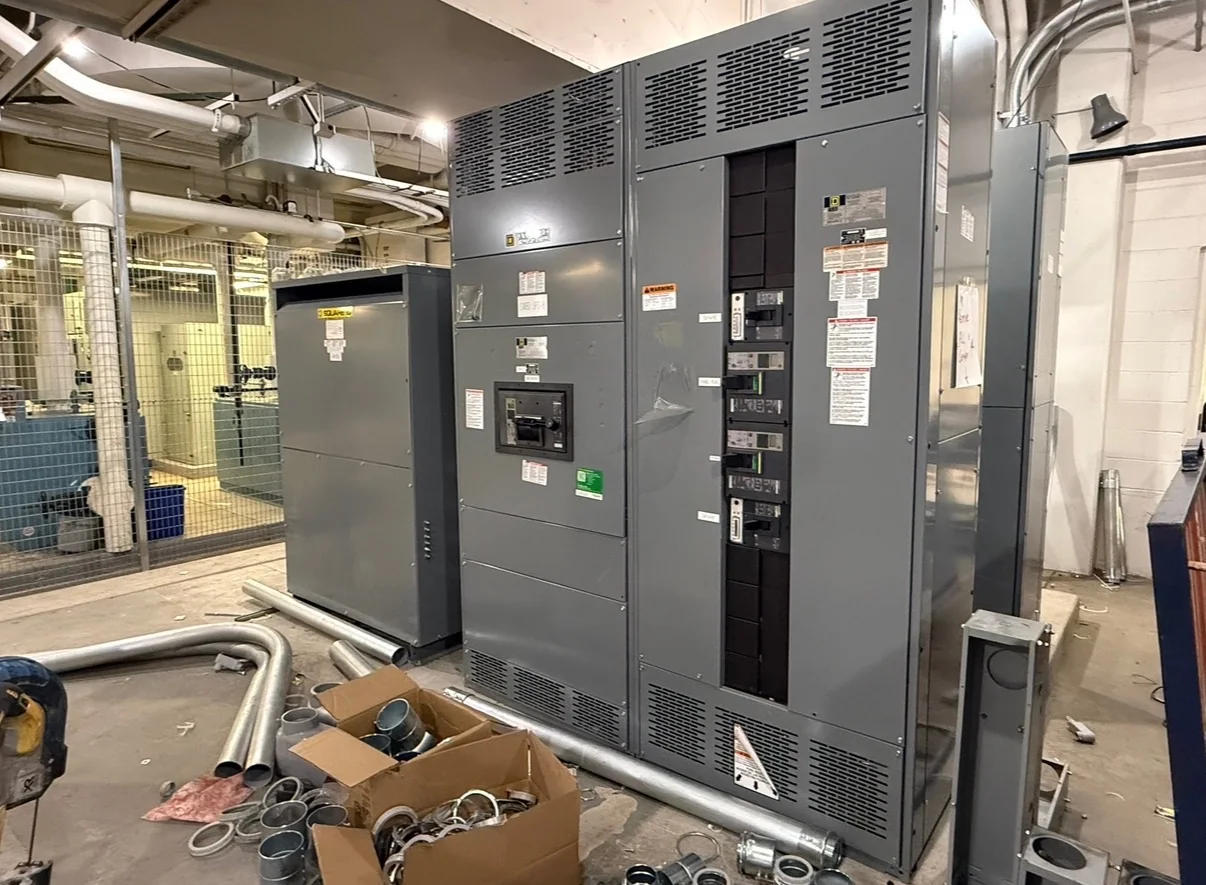
Start With the Manufacturing Load Profile
Modernization planning starts with how the plant actually uses power, not simply with the nameplate on the existing switchgear. Gather one-line diagrams, equipment schedules, available load data and records of planned production changes. Identify large motors, variable-frequency drives, welders, furnaces, process heaters and other loads that can affect demand or starting conditions. Note which processes cannot tolerate an interruption and whether loads are expected to grow or move. These details help the project team evaluate feeder count, bus arrangement, protective-device requirements and space for future circuits. A mismatch between the documented design and operating reality can leave a replacement unable to support production needs. Have qualified electrical professionals verify existing conditions and develop project-specific requirements before equipment is specified.
Define Equipment and Protection Requirements
A useful request for quotation separates verified requirements from assumptions that still need engineering review. Provide system voltage, phase and frequency, available fault-current information, grounding arrangement, main and feeder configuration, metering needs, control interfaces and the intended installation environment where known. Identify applicable project standards and whether a low-voltage switchboard assembly is being specified under UL 891 evaluation; that standard does not serve as a blanket certification for medium- or high-voltage gear. Protective-device selection and coordination should account for upstream and downstream equipment, conductor limits and the plant’s operating priorities. Where existing drawings are incomplete, flag uncertainties instead of carrying forward unverified values. Final ratings, compatibility, standards and labeling depend on the specific design and evaluation.


Plan the Cutover Around Production
For a manufacturing plant, the replacement schedule is also a production decision. Map each source, tie and feeder to the processes it serves, then identify which loads can be shut down together and which require a staged outage or temporary operating plan. Coordinate the proposed sequence with plant operations, maintenance, safety personnel, the electrical contractor and the utility where applicable. Confirm how long each planned interruption may last, what restoration checks are required and who has authority to release equipment back to service. A short manufacturing shutdown does not automatically mean a short electrical cutover: removal, access, terminations, inspections and testing all affect the work window. Build the schedule from site conditions and approved procedures, not an assumed delivery date or installation duration.
Check the Room, Route and Receiving Plan
Existing electrical rooms often impose constraints that are not obvious from a single-line diagram. Survey doorway and corridor clearances, floor openings, overhead obstructions, working space, anchorage and the route from the receiving point to the final position. Record dimensions and identify equipment that must be removed or relocated before the new assembly can enter. Review heat, dust, moisture, corrosive exposure, vibration and available ventilation because operating conditions can influence enclosure and equipment choices. For a U.S.-manufactured, custom-built order, resolve shipping access, unloading responsibility, storage conditions and delivery sequencing with the supplier and site team early. Nationwide shipping does not establish that a particular route, carrier, unloading method or delivery date is suitable; confirm those details for the project.
Make Documentation Part of the Purchase
A complete procurement package gives engineering, purchasing and installation teams a common basis for review. Include the project one-line diagram, equipment schedule, connection details, control and metering requirements, interface points, installation constraints and requested submittal information. Ask the manufacturer to identify deviations, open design questions and information needed before drawings can be finalized. Review dimensions, access, cable entry, device arrangement and connection points against field conditions before approving submittals; a drawing approved without that check can create costly site rework. Establish how revisions will be tracked and who must approve changes affecting protection, interfaces or layout. As-built drawings and operating information should be included in closeout requirements so maintenance staff can understand the installed arrangement rather than rely on superseded records.
Evaluate Timing, Scope and Long-Term Support
Compare quotations on the full project scope, not just equipment price. Confirm what the proposed supply includes, which installation or field services are excluded, what assumptions affect the schedule and when approved drawings or technical decisions are needed. Short lead times may be available for some custom builds, but timing depends on the project’s design, components, approvals and current availability; request a project-specific schedule rather than treating a general claim as a guarantee. Check that the proposed equipment can connect to the existing system and that replacement devices, controls or metering meet the plant’s documented needs. Before award, resolve responsibility for freight, receiving, storage, installation coordination and closeout documentation. These checks help procurement balance cost and timing without overlooking operational fit.